Bahrain Declines Hormuz Strait Talks in Oman Amid Regional Tensions
Bahrain's refusal to join regional talks in Oman on the Strait of Hormuz highlights ongoing diplomatic rifts and uncertainty over Gulf shipping security.
By Isabel Navarro · First published 13 Sept 2026
In brief
- Iran proposed a meeting in Oman with Gulf states to discuss the security of the Strait of Hormuz.
- Bahrain publicly confirmed it would not attend the meeting until diplomatic relations with Iran are restored.
- Iran clarified that recent agreements with Oman would not result in the immediate reopening of the Strait of Hormuz.
- Regional tensions remain high as Iran's actions have disrupted oil and gas exports through the vital waterway.
- The scheduled meeting in Oman was postponed at the request of some regional states, leaving the situation unresolved.
Timeline · 6 moments
Iran announces regional meeting of Gulf states in Oman
ISNA (English) ↗Iran and Oman discuss regional issues by phone
ISNA (English) ↗Bahrain says it will not attend the Hormuz meeting
Arab News ↗Iran clarifies Oman deal will not reopen Strait of Hormuz
Mehr News (English) ↗Iran to unveil Hormuz shipping agreement to Gulf nations
Business Line - Home ↗Iran confirms postponement of Oman Hormuz meeting
IRNA English ↗How it started
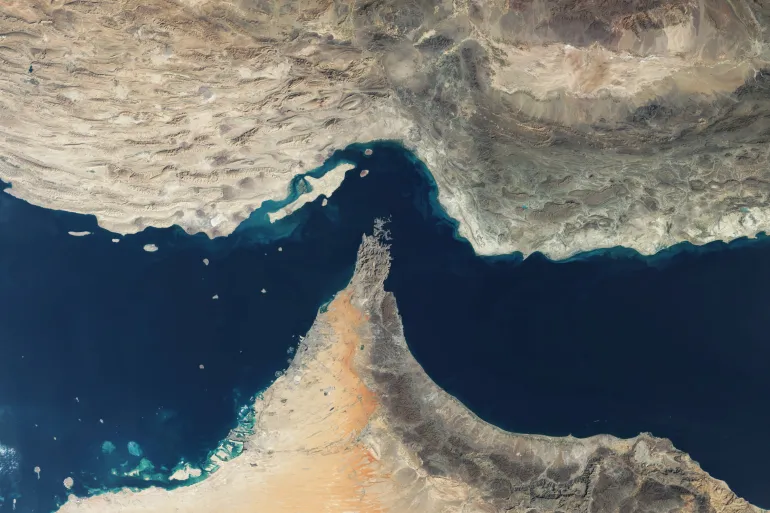
Iran first announced plans to convene a regional meeting in Oman, inviting foreign ministers from Persian Gulf and Sea of Oman coastal states. The stated aim was to promote mutual understanding and address security concerns affecting the Strait of Hormuz. The backdrop to this proposal was an ongoing blockade of the Strait by Iran, which had disrupted Gulf oil and gas exports and raised international alarm. Diplomatic activity between Iran and Oman increased, with both countries discussing a potential agreement to manage shipping through the strategic waterway.
How it unfolded
On September 11, Iranian officials publicly confirmed the plan for a regional meeting in Oman, emphasizing the importance of dialogue among Gulf states. Around the same time, Iranian and Omani foreign ministers held a phone call to discuss regional developments and coordinate their positions.
By September 12, Bahrain announced it would not participate in the proposed Oman meeting. Bahraini officials stated that their absence was due to the lack of diplomatic relations with Iran, making clear that normalization would be a prerequisite for their engagement.
As the meeting approached, Iran clarified that any agreement with Oman would not mean the immediate reopening of the Strait of Hormuz. This clarification came after speculation that the talks might resolve the blockade affecting global energy supplies.
On September 13, further details emerged about the proposed temporary shipping lane. However, the same day, Iran confirmed that the meeting in Oman was postponed at the request of some regional states. Oman also acknowledged the delay, leaving the fate of the discussions uncertain.
Where it stands
The planned regional meeting in Oman to address the Strait of Hormuz crisis has been postponed, and Bahrain remains firm in its decision not to attend. Diplomatic relations between Bahrain and Iran are still frozen, and there is no sign of an immediate breakthrough.
Talks between Iran and Oman have produced a preliminary understanding, but this is not enough to reopen the Strait or restore normal shipping. The broader regional dialogue remains tense and unresolved, with no new date set for the postponed meeting.
What to watch
It remains to be seen whether Gulf states can reach a consensus on security arrangements for the Strait of Hormuz. The situation could shift quickly if diplomatic relations between Bahrain and Iran improve or if external pressure mounts to resolve the shipping disruption.
More in Politics
All →
Trump Dismisses AI Criticism Amid Calls for Regulation After Anthropic Debate
Donald Trump has rejected warnings about artificial intelligence risks, responding to recent expert concerns and ongoing calls for stricter oversight of AI in the United States.
12 sources · today
Sweden Holds Tight Election as Far-Right Seeks Government Role for First Time
Sweden's general election could reshape its politics, with the far-right Sweden Democrats poised to enter government and key issues like welfare, security, and international alliances dominating the campaign.
24 sources · over 3 days
Trump Backs Irish Reunification During Visit, Sparking UK Unionist Backlash
Donald Trump expressed support for a united Ireland during his visit, causing political controversy and drawing criticism from unionist groups.
49 sources · over 7 days