Bill Gates Calls for AI Regulation, Warns of Job Losses and Global Risks
Bill Gates has issued urgent warnings about artificial intelligence, urging policymakers and world leaders, including China's Xi Jinping, to act quickly to address job losses, inequality, and security threats posed by AI.
By Ravi Menon · First published 17 Aug 2026
In brief
- Bill Gates has called for urgent AI regulation, warning that millions of jobs could be automated away without intervention.
- He released a 6,000-word essay on August 26, 2026, proposing a 'robot tax' and 'human reserved' jobs to mitigate AI risks.
- Gates is seeking a meeting with China's Xi Jinping to discuss international cooperation on managing AI dangers, including bioterrorism.
- There is currently no unified global approach to AI regulation, despite growing support from some policymakers and skepticism from tech leaders.
- The outcome of Gates' proposed meeting and the response from US lawmakers will be critical in shaping future AI policies.
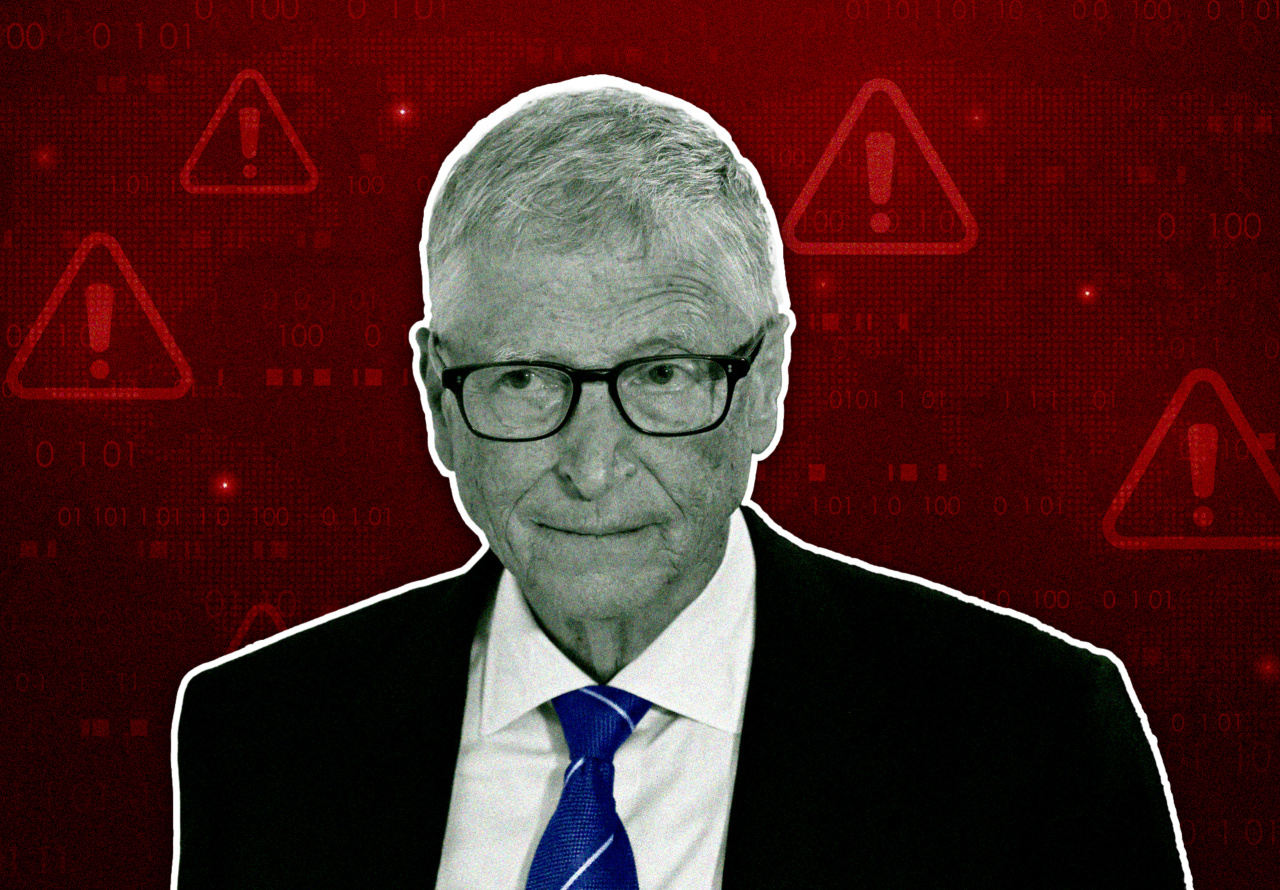
Timeline · 7 moments
Bill Gates urges limits on AI to prevent harm
cnn.com ↗Bill Gates proposes robot tax, 'human reserved' jobs
TechCrunch ↗Bill Gates warns of AI-driven job losses, urges action
CBS Top Stories ↗Bill Gates calls for urgent action on AI risks
Gizmodo Tech ↗Gates pitches US-China AI cooperation ahead of Xi meeting
South China Morning Post ↗Nvidia CEO Jensen Huang disagrees with Gates on robot tax
Business Line - Home ↗Bill Gates and Bernie Sanders warn Congress on AI job risks
Times of India ↗How it started
Bill Gates, the Microsoft co-founder and longtime tech philanthropist, has been voicing concerns about artificial intelligence for years. In late August 2026, he published a detailed essay and began a public campaign highlighting what he sees as unprecedented risks from the rapid adoption of AI.
Gates argues that the world is not ready for the societal upheavals AI could bring, especially in the workforce. He warns that without intervention, millions of jobs could be automated away, and society may see a repeat of the economic pain experienced during historical crises like the Great Depression, according to CBS and TGcom24. Gates is particularly worried about the impact on youth and the loss of meaningful human connections, as reported by Digital Journal and NDTV.
How it unfolded
On August 26, 2026, Gates released a 6,000-word essay outlining his main concerns and proposals. Outlets like CNN, TechCrunch, and CNBC reported that he called for strict rules on AI development, a 'robot tax' on companies replacing human workers, and the creation of 'human reserved' jobs that would be protected from automation.
Gates has urged policymakers to move quickly, saying society does not have the luxury of moving slowly on these issues, according to Gizmodo. He also emphasized that AI could either become a great equalizer or the worst source of injustice, depending on how it is managed, as covered by DIE ZEIT and The Hill.
International cooperation has become a key theme. Gates is seeking to meet with Chinese President Xi Jinping to discuss joint efforts by the US and China to manage AI risks, with South China Morning Post and Ta Nea noting that a meeting is expected later in the year. He believes global rules, not just national ones, are needed to prevent dangerous uses of AI, such as bioterrorism.
Gates' proposals have sparked debate across the tech industry. Some, like Nvidia CEO Jensen Huang, have publicly disagreed with the idea of a robot tax, arguing that AI will create new jobs rather than destroy them. Forbes and Business Line have highlighted this split among tech leaders.
Where it stands
Bill Gates' warnings have resonated widely, with support from some policymakers and skepticism from parts of the tech sector. Several experts and politicians, including Senator Bernie Sanders, have echoed his concerns about job losses and called for urgent Congressional action, according to Times of India.
Despite the growing debate, there is still no unified global approach to AI regulation. Gates continues to press for international agreements and new institutions to oversee AI development. Meanwhile, companies are rapidly integrating AI into their operations, outpacing the creation of new rules or safety measures.
What to watch
A key development to watch is the outcome of Gates' proposed meeting with Xi Jinping and whether it leads to concrete US-China cooperation on AI safety. The response from US lawmakers, who are under pressure to address these risks before mass unemployment takes hold, will also be critical.
The wider tech industry's reaction to Gates' ideas, especially regarding 'human reserved' jobs and a robot tax, will shape the next stage of the AI debate.
More in Technology
All →
Dell Unveils 14S Laptop to Compete With Apple's MacBook Neo in US
Dell has launched the 14S laptop, targeting students with a colorful, budget-friendly device that directly challenges Apple's MacBook Neo amid concerns about value and pricing.
8 sources · today
Google Rapidly Expands Gemini AI With Student Tools and New Models
Google has rolled out major updates to its Gemini AI platform, launching new models and offering free AI access to students, signaling a push to make its AI central to education and creative work.
27 sources · over 6 days
Apple Schedules September 9 Event to Launch iPhone 18 Pro and Foldable Ultra
Apple will unveil the iPhone 18 Pro and its first foldable iPhone Ultra at a major September 9 event, marking a pivotal moment for both its flagship lineup and entry into the foldable phone market.
46 sources · over 7 days