Bombay High Court Criticizes Maharashtra FDA Over Food Safety Crackdown Methods
A wave of food license suspensions by Maharashtra's FDA has triggered backlash from the Bombay High Court, raising questions about regulatory overreach and the future of food safety enforcement in Mumbai.
By Isabel Navarro · First published 18 Aug 2026
In brief
- The Bombay High Court has imposed a ₹5 lakh penalty on the Maharashtra FDA for excessive food license suspensions.
- The FDA's inspections have led to the suspension of licenses at several high-profile establishments, including McDonald's and local eateries.
- The court has ordered reinspections and allowed some businesses to reopen after finding them mostly compliant with food safety standards.
- The FDA is withdrawing controversial suspension orders following repeated criticism from the High Court regarding its enforcement methods.
- Future FDA actions will be closely monitored by the court to ensure compliance with legal procedures and proper investigation.
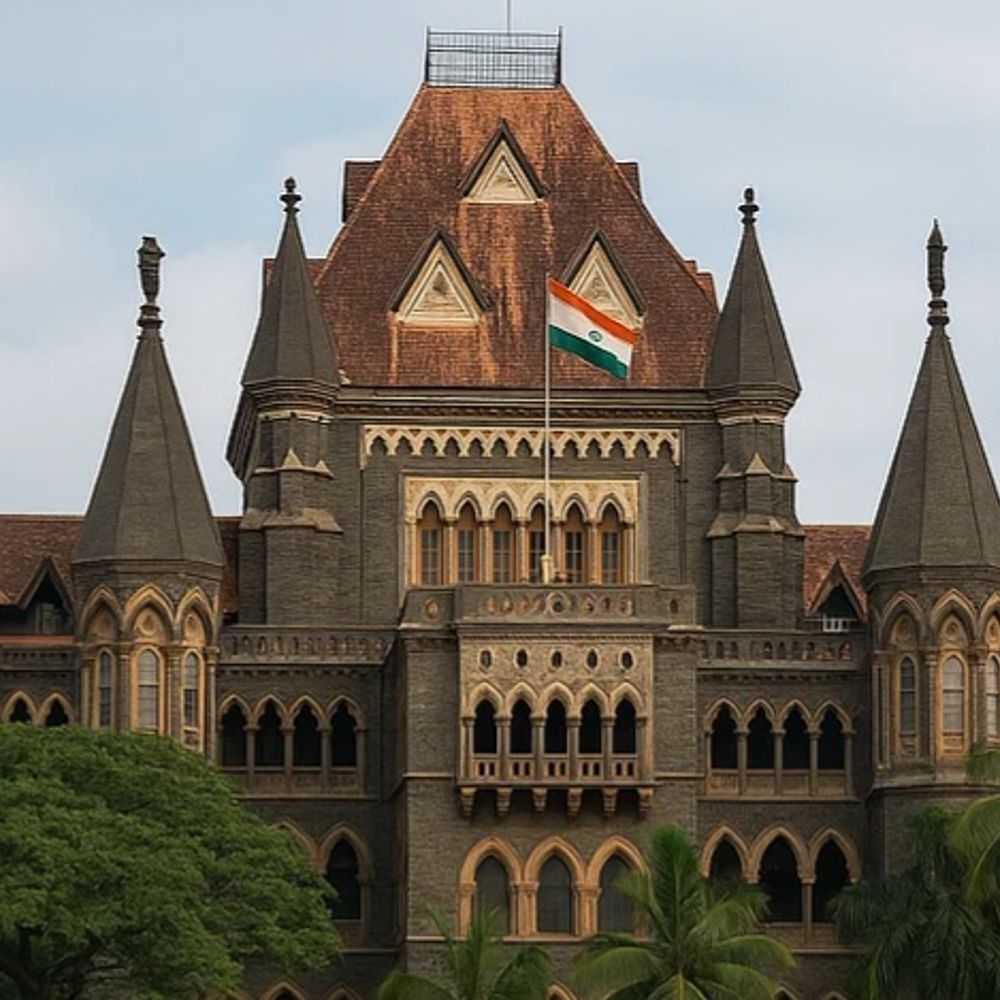
Timeline · 7 moments
Bombay HC fines FDA over Pune shop license suspension
NDTV India ↗FDA suspends licenses of major Mumbai eateries
NDTV Top Stories ↗FDA suspends five food outlets at Mumbai Cricket Association
Indian Express ↗Bombay HC steps in, orders reinspections at MCA outlets
Indian Express ↗Bombay HC slams FDA, clears reopening of 5 MCA eateries
The Times of India ↗FDA withdraws orders against Cipla, MCA eateries after court rebuke
Times of India ↗HC pulls up FDA for 'mechanical' suspensions at MCA
Scroll.in ↗How it started
In August 2026, the Maharashtra Food and Drug Administration (FDA) began a series of inspections targeting restaurants, canteens, and food delivery facilities in Mumbai and Pune. The agency said the aim was to improve food safety and hygiene, especially after finding widespread violations such as pest infestations, poor sanitation, and expired food, as reported by The Hindu and India Today.
The FDA's campaign quickly led to the suspension of food licenses at several well-known establishments, including hotels, college canteens, and online delivery hubs. This aggressive approach drew immediate media attention and concern from affected businesses.
How it unfolded
On August 18, 2026, the Bombay High Court ordered the FDA to pay a ₹5 lakh penalty to a Pune sweets shop whose license had been suspended despite strong compliance, according to NDTV India and The Hindu. The court noted the regulator's intentions but said its actions were excessive.
By August 21, the crackdown expanded to high-profile venues, including a McDonald's outlet and the Bombay Presidency Radio Club. Inspections revealed serious hygiene lapses, such as cockroach infestations and improper food storage, leading to further suspensions (NDTV Top Stories, Indian Express).
The enforcement continued through late August, with the FDA suspending licenses for eateries at the Mumbai Cricket Association (MCA) premises, citing unsanitary conditions and unauthorized operators. The Indian Express reported that food products worth nearly ₹13.88 lakh were seized in related raids.
However, as the suspensions mounted, so did legal challenges. On August 24 and 25, the Bombay High Court intervened, ordering reinspections and allowing five MCA food outlets to reopen after finding them mostly compliant. The court criticized the FDA for acting hastily and without proper analysis (Times of India, The Hindu).
The following days saw further rebukes from the High Court, which accused FDA officials of misunderstanding their duties and not following due process. The court also forced the FDA to retract its suspension orders in some high-profile cases, including the Cipla pharmaceutical facility (Mint, Indian Express, Times of India).
Where it stands
As of late August 2026, the Maharashtra FDA has begun withdrawing some of its most controversial suspension orders after repeated criticism from the Bombay High Court. Several restaurants and businesses have been allowed to reopen following fresh inspections and court directives.
While the FDA's campaign has brought attention to real food safety issues, its enforcement methods are under scrutiny. The High Court has made clear that future actions must follow legal procedures and avoid blanket suspensions without proper investigation.
What to watch
The next steps will depend on how the FDA reforms its inspection and enforcement process. The High Court is expected to continue monitoring the agency's actions, especially in cases where businesses contest suspensions. The outcome could set a precedent for how food safety is regulated across Maharashtra.
More in Business
All →
Dell Raises 2027 Revenue Forecast After Soaring AI Server Sales and Record Quarter
Dell Technologies reported a 58 percent revenue jump in its latest quarter, driven by surging demand for AI servers, prompting the company to raise its 2027 revenue outlook and impress investors.
8 sources · over 2 days
Why Subhash Chandra's ₹6.5 Crore Repayment Plan for ₹22,006 Crore Debt Is on Hold
A controversial insolvency settlement that would see Subhash Chandra pay a fraction of massive personal debts is now paused, as legal disputes and creditor challenges raise new questions about India's insolvency process.
8 sources · over 7 days
Uber Slashes 3,300 Jobs in Largest Restructuring Since Pandemic
Uber is cutting about 10 percent of its global workforce, targeting management layers and small teams, as it shifts focus to ride-sharing, delivery, and autonomous vehicle development amid intensifying competition.
30 sources · today