Brent Crude Oil Surges Past $100 Amid US-Iran Tensions and Middle East Attacks
Brent crude oil prices have climbed above $100 per barrel for the first time since July, as escalating conflict between the US and Iran stirs global market fears.
By Luca Moretti · First published 9 Sept 2026
In brief
- Brent crude oil prices rose above $100 per barrel following renewed violence and attacks in the Middle East.
- The surge is mainly linked to escalating military actions between the US and Iran, as well as strikes on oil facilities.
- Analysts and market watchers are concerned about potential disruptions to oil supplies and the effect on global inflation.
- Despite the price jump, the flow of oil through the Strait of Hormuz has not been interrupted so far.
- Energy markets are closely monitoring the situation for further escalation or stabilization that could impact oil prices.
Timeline · 4 moments
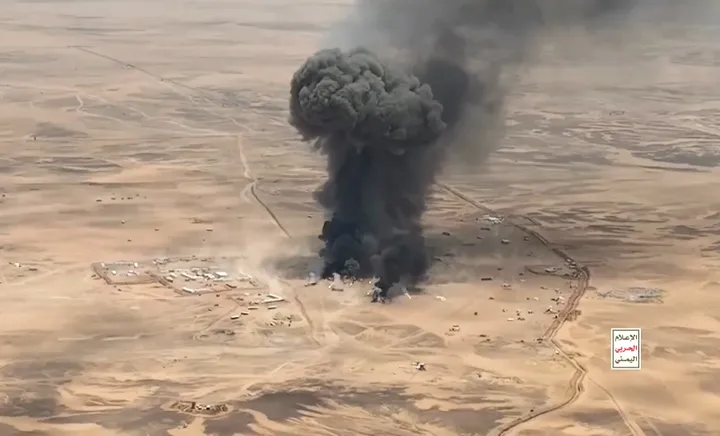
US and Iran trade attacks on tankers and warships
Dealbreaker ↗Brent crude oil price breaches $100 per barrel
World News - Breaking News, Top Stories ↗Attacks on Middle East oil facilities threaten supply chains
Global News ↗Oil prices reach highest level since July 24, 2026
Bloomberg ↗How it started
Tensions between the US and Iran have been simmering for months, particularly around key oil transit routes in the Middle East. The region is crucial for global oil supplies, especially the Strait of Hormuz, through which a significant share of the world's oil passes.
Recently, military actions and retaliatory strikes involving the US, Iran, and groups aligned with Iran have intensified. These developments have put global oil markets on edge, as any disruption could quickly affect prices and supply chains.
How it unfolded
On September 9, 2026, reports began to surface of renewed attacks on oil facilities and ships in the Middle East, with both US and Iranian forces involved. According to Dealbreaker, the US hit five Iranian tankers in reprisal for Tehran targeting a US warship, and Houthi forces, backed by Iran, were also implicated in attacks.
As these incidents unfolded, oil prices responded rapidly. By the same day, Brent crude oil had breached the $100 per barrel mark, the highest level since July 24, 2026, as reported by World News.
The price spike drew concern from analysts and governments worldwide. With oil already in a fragile supply situation, any threat of further disruption raised fears of inflation and increased costs for consumers and businesses, particularly in Europe and Asia.
Despite the turmoil, Reuters noted that oil continued to flow through the Strait of Hormuz, and there were no immediate signs of a supply cutoff. This detail has led some experts to suggest that prices could ease if the situation does not escalate further.
Where it stands
Right now, Brent crude remains above $100 per barrel, reflecting ongoing anxiety about the risk of further conflict. The market is reacting both to the real risk of supply disruption and the broader uncertainty surrounding the US-Iran confrontation.
While the flow of oil has not yet been blocked, the situation remains tense. Market participants and policymakers are watching closely for any new developments that could change the outlook for global energy supplies.
What to watch
The key question is whether the US-Iran conflict will escalate further, potentially disrupting oil shipments through the Strait of Hormuz. Any direct attacks on major oil infrastructure or shipping lanes could push prices even higher.
Traders and governments will also be tracking diplomatic efforts and military movements in the region for signs of de-escalation or renewed violence, which would have immediate effects on the oil market.
More in Business
All →
Google Raises Finland AI Investment to $15 Billion, Secures Nuclear Power
Google is now investing $15 billion in Finnish AI infrastructure and has signed a 22-year nuclear energy contract to power its data centers.
16 sources · today
US Treasury Unveils $6 Billion Debt Buyback to Tame Rising Bond Yields
Treasury Secretary Scott Bessent has launched a $6 billion buyback plan for longer-term US debt, aiming to address surging yields and calm financial markets.
10 sources · over 2 days
LIV Golf Files for Chapter 11 Bankruptcy as Saudi Backing Ends
LIV Golf, launched to rival the PGA Tour, has filed for Chapter 11 bankruptcy protection after losing Saudi financial support, leaving its future and players' contracts uncertain.
17 sources · today