BRICS Summit Calls for Restraint and Mediation in Middle East Crisis
Leaders at the BRICS summit in India have urged member nations to take an active role in addressing rising tensions in the Middle East, highlighting the global impact of the ongoing conflict.
By Fatima Al-Rashid · First published 12 Sept 2026
In brief
- BRICS leaders gathered in New Delhi to discuss international security, with a focus on the Middle East crisis.
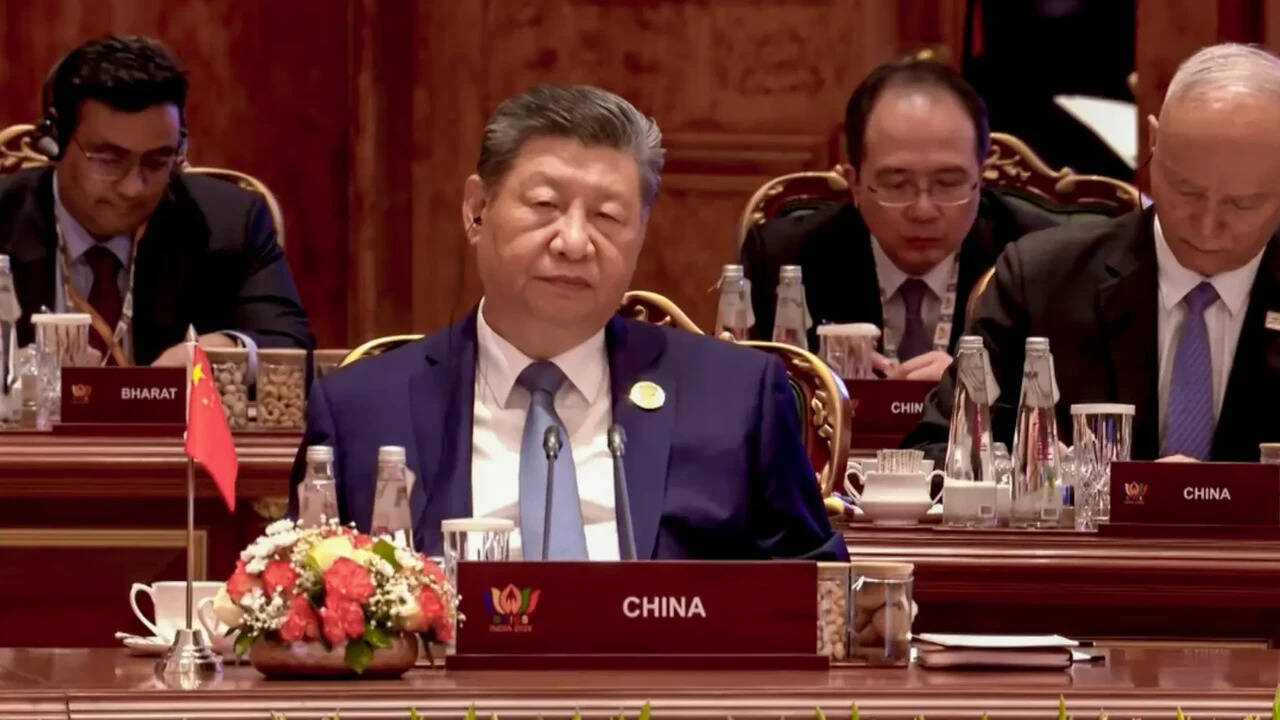
- Chinese President Xi Jinping called for the bloc to play a central role in fostering peace in the region.
- The joint BRICS declaration expressed deep concern over escalating tensions and called for maximum restraint from all parties.
- Member nations emphasized the threat posed to vital oil and shipping routes by continued conflict in West Asia.
- Discussions at the summit are ongoing, with further talks expected on mediation strategies and regional support.
Timeline · 5 moments
BRICS declaration urges restraint in Middle East crisis
Deutsche Welle ↗Xi Jinping calls for BRICS to play peace role
Times of India India ↗Xi hails BRICS as key platform for cooperation
South China Morning Post ↗Xi warns conflict threatens oil and shipping routes
Indian Express ↗BRICS declaration reiterates concern and call for dialogue
India News ↗How it started
The BRICS summit convened in New Delhi, bringing together leaders from major emerging economies including China and India. The agenda included pressing global security challenges, with the Middle East crisis taking center stage.
Concerns about growing instability in West Asia have persisted for months, affecting global energy markets and raising fears of wider regional conflict. The BRICS bloc, which recently expanded to include new members from the region, aimed to address these issues collectively.
How it unfolded
On September 11, BRICS leaders issued a joint declaration expressing 'deep concern' over the escalation of tensions in the Middle East. The statement called for 'maximum restraint' and urged all parties to avoid actions that could worsen the situation, according to Deutsche Welle.
The following day, Chinese President Xi Jinping addressed the summit, urging BRICS countries to play a pivotal role in fostering peace and stability in the Middle East. He argued that the ongoing conflict does not serve the interests of the global community, as reported by Times of India India and South China Morning Post.
President Xi also linked the crisis to broader issues such as global energy security, warning that continued fighting threatens vital oil and shipping routes in West Asia, Indian Express noted. The summit's discussions included proposals for deeper cooperation on technology and industrialization as part of a broader strategy for peace, NDTV Top Stories reported.
The joint declaration was reiterated on September 12, with member nations again calling for dialogue and restraint, emphasizing the need for a peaceful resolution and highlighting the concerns of new BRICS members from the region, such as Iran and the UAE.
Where it stands
As of now, the BRICS summit remains underway in New Delhi, with discussions continuing on how the group can mediate or support peace efforts in the Middle East. The official declaration has set a clear tone, urging calm and maximum restraint from all involved parties.
The bloc's leaders have signaled their intention to stay engaged, with further talks expected on possible mediation strategies and support measures for the region.
What to watch
Key questions remain about the concrete steps BRICS will take to back up its call for peace in the Middle East. Observers are watching for any new initiatives or commitments as the summit concludes, especially regarding possible mediation roles or economic support for affected countries.
More in Politics
All →
Trump Backs Irish Reunification During Visit, Sparking UK Unionist Backlash
Donald Trump expressed support for a united Ireland during his visit, causing political controversy and drawing criticism from unionist groups.
28 sources · over 6 days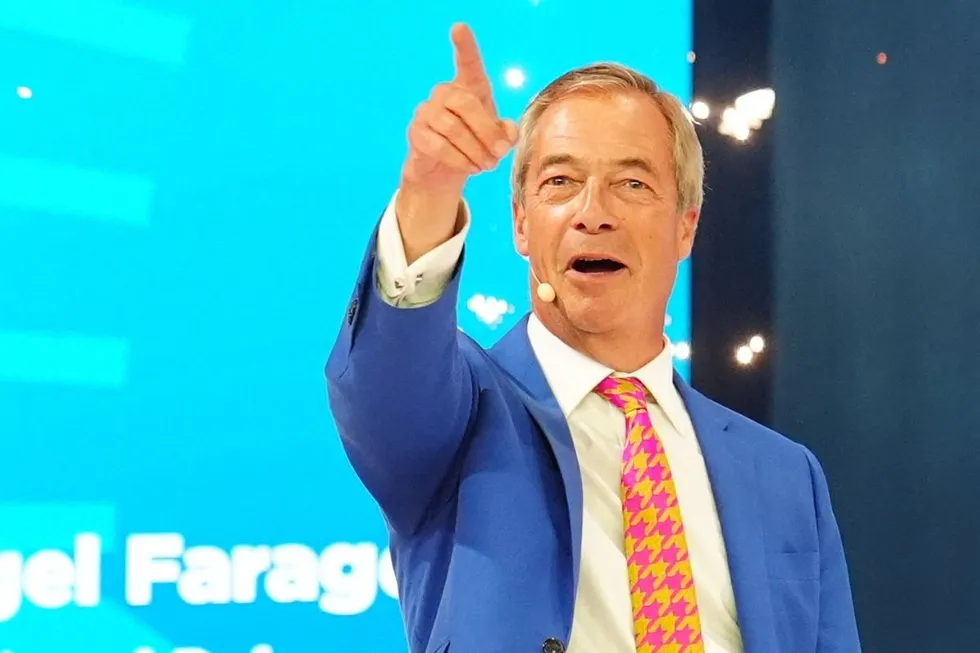
Reform UK Receives Record £72 Million in Donations from Crypto Billionaires
Reform UK, led by Nigel Farage, has received two separate £36 million donations from cryptocurrency billionaires, marking the largest sums ever given to a British political party ahead of the general election.
14 sources · today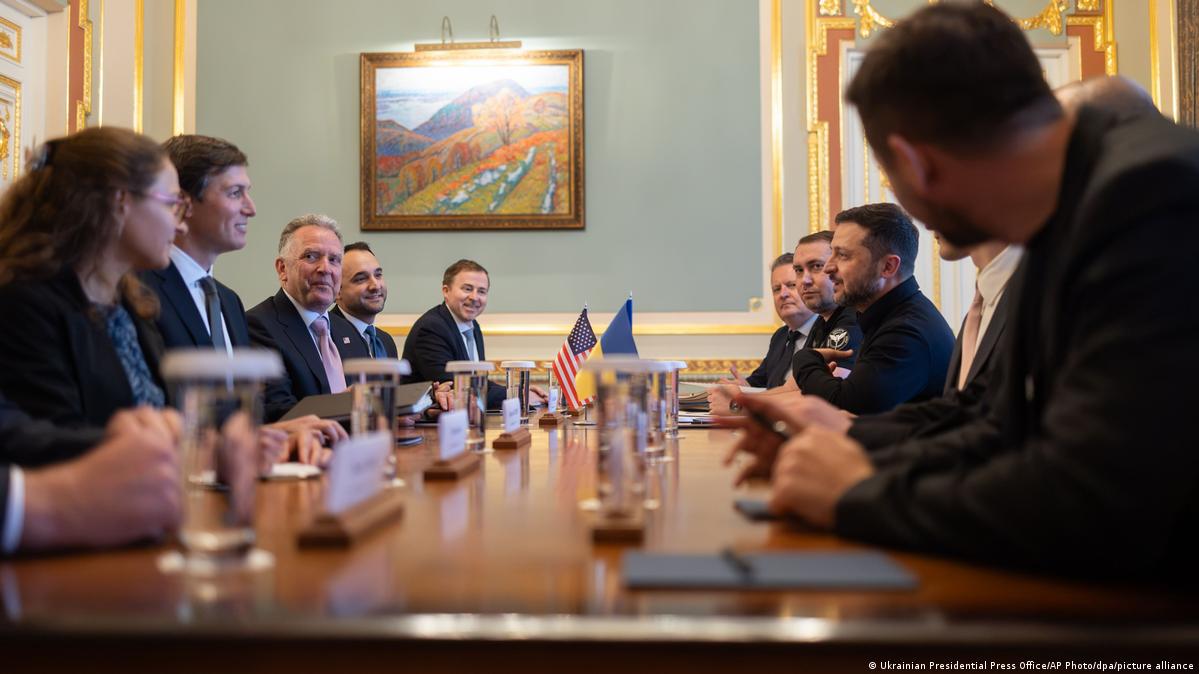
Zelensky Proposes Direct Meeting With Putin at Miami G20 Summit Amid Rising Tensions
Ukrainian President Zelensky has publicly offered to meet Russian President Putin at the December G20 summit in Miami, signaling a possible diplomatic opening as European-Russian tensions remain high.
10 sources · today