China's Economy Shows Marked Slowdown in July as Key Indicators Miss Targets
China's economic performance in July 2026 fell short of expectations, raising concerns about global stability as industrial output, retail sales, and profits all showed significant weakness.
By Hannah Lindqvist · First published 17 Aug 2026
In brief
- China's economy showed significant weakness in July 2026, with retail sales rising only 0.6 percent, missing the 1.3 percent target.
- Industrial output increased by 4.5 percent in July, falling short of the 4.9 percent forecast, raising concerns about economic stability.
- Industrial profit growth slowed to 11.2 percent in July, marking the weakest pace of 2026 and indicating ongoing economic challenges.
- Investor anxiety is rising as policymakers face pressure to implement new fiscal measures to stabilize growth amid weak demand.
- The global implications of China's economic slowdown are under scrutiny, with potential risks to international markets and supply chains.
Timeline · 6 moments
China's economy slows as retail sales, investment disappoint
CNBC ↗Industrial output, retail sales growth both weaken in July
Financial Times World ↗China's recovery sputters as consumption, output lose steam
World News CNA ↗China economy slows, pressure mounts for fiscal measures
Time.news ↗China's industrial profit growth slows to 2026 low
Bloomberg ↗China's industrial profits surge 17.6% through July
Breaking News on Seeking Alpha Business & Economy ↗How it started
In the months leading up to July 2026, China's economy was already under pressure. The second quarter saw the slowest growth in over three years, according to World News CNA. This slowdown was driven by persistent issues in both supply and demand, as noted by CNBC, and a drop in consumer and business confidence, the Financial Times reported.
Policymakers were watching closely, as earlier signs hinted at a fragile recovery. Weakness in the property market and subdued household spending cast uncertainty over the outlook for the rest of the year.
Developments through July
On August 17, multiple outlets reported that July's economic data was disappointing. CNBC highlighted that retail sales barely grew, and investment slumped further, pointing to deeper imbalances in China's economic engine. The Financial Times and Reuters both described a notable slowdown in industrial output, with retail sales and investment also missing forecasts.
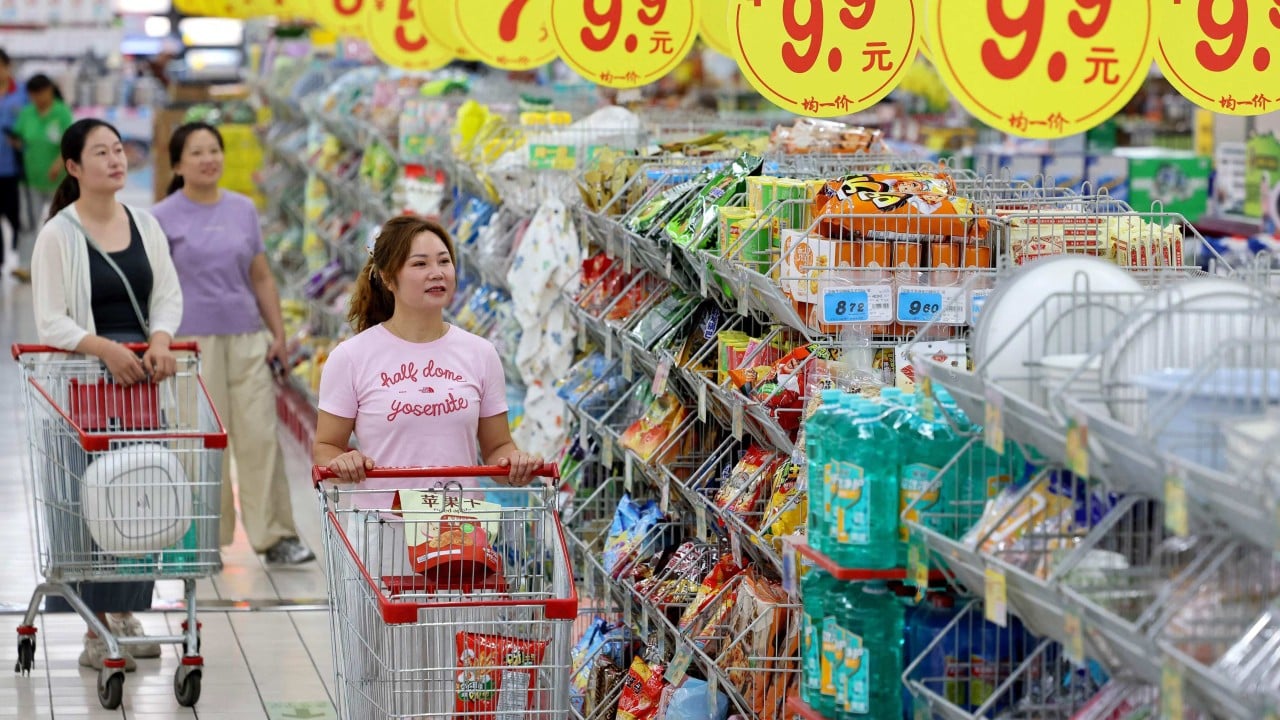
The South China Morning Post provided specific figures: retail sales in July rose just 0.6 percent, less than half the expected 1.3 percent. Industrial output increased by 4.5 percent, below the 4.9 percent forecast. This underperformance led to renewed debate about the risks China's slowdown could pose to the global economy.
Time.news and The Guardian noted rising pressure on Chinese policymakers to respond, with calls for new fiscal measures and government intervention to stabilize growth. Meanwhile, World News CNA pointed to extreme weather and weak demand as additional factors weighing on both consumption and production.
By late August, the focus shifted to corporate profits. On August 27, Bloomberg reported that China's industrial profit growth had slowed to its weakest pace this year, marking the third straight monthly decline. CNBC International added that industrial profits grew by 11.2 percent in July, the slowest rate of 2026 so far, as the property market and household confidence remained shaky. However, Seeking Alpha published a conflicting view, citing a 17.6 percent surge in industrial profits through July and hinting at some positive trends, though this was not echoed by other major outlets.
Current outlook
China's economy is still in a critical phase as of late August 2026. Industrial output, retail sales, and profits all remain under pressure, with most data missing expectations. Investor and policymaker anxiety is growing, given the country's importance to global supply chains and financial markets.
While there are some mixed signals about industrial profits, the broader picture remains one of caution. Analysts are closely watching for any new policy moves from Beijing aimed at restoring confidence and boosting demand.
What happens next
The main questions now are whether China's government will announce new economic stimulus and if these measures will be enough to reverse the slowdown. Markets and global policymakers are also monitoring for any signs that China's economic troubles could spill over internationally, potentially affecting global growth.
More in Business
All →
Dell Raises 2027 Revenue Forecast After Soaring AI Server Sales and Record Quarter
Dell Technologies reported a 58 percent revenue jump in its latest quarter, driven by surging demand for AI servers, prompting the company to raise its 2027 revenue outlook and impress investors.
8 sources · over 2 days
Why Subhash Chandra's ₹6.5 Crore Repayment Plan for ₹22,006 Crore Debt Is on Hold
A controversial insolvency settlement that would see Subhash Chandra pay a fraction of massive personal debts is now paused, as legal disputes and creditor challenges raise new questions about India's insolvency process.
8 sources · over 7 days
Uber Slashes 3,300 Jobs in Largest Restructuring Since Pandemic
Uber is cutting about 10 percent of its global workforce, targeting management layers and small teams, as it shifts focus to ride-sharing, delivery, and autonomous vehicle development amid intensifying competition.
30 sources · today