China's LandSpace Successfully Recovers Zhuque-3 Rocket Booster on Land
LandSpace's Zhuque-3 booster landing marks China's entry into the elite group of companies with reusable rocket technology, a step expected to lower launch costs and accelerate commercial space ambitions.
By Samuel Adeyemi · First published 19 Aug 2026
In brief
- On August 18, 2026, LandSpace successfully launched and recovered its Zhuque-3 rocket booster in the Gobi Desert.
- This marks China's first successful land recovery of a rocket booster, joining a select group of companies with reusable technology.
- The Zhuque-3 mission delivered the Honghu-03 satellite into orbit, highlighting LandSpace's capabilities in the commercial space sector.
- The recovered booster will undergo inspection and refurbishment for potential reuse, aiming to lower launch costs significantly.
- Observers are keen to see how quickly LandSpace can reuse the booster, impacting China's competitive position in global space markets.

Timeline · 6 moments
Zhuque-3 launches and deploys Honghu-03 satellite
Публикации по подписке ↗LandSpace nails rocket booster landing in Gobi Desert
Business Line - Home ↗China recovers a rocket booster on land for the first time
Bloomberg Technology ↗World-first stainless-steel booster recovery after orbital launch
Interesting Engineering ↗China joins SpaceX in reusable rocket breakthroughs
South China Morning Post ↗LandSpace enters elite group of reusable rocket firms
Franceinfo ↗How it started
China has been rapidly expanding its commercial space sector, with private companies joining the race to develop reusable rocket technology. Until recently, much of the world's attention was on SpaceX and Blue Origin, which have demonstrated several successful reusable rocket landings.
LandSpace, a private Chinese firm, emerged as a key competitor by focusing on methane-fueled rockets and advanced engineering. The Zhuque-3 project was designed specifically to pursue reusability, aiming to make satellite launches cheaper and more frequent.
How it unfolded
On August 18, 2026, LandSpace launched the Zhuque-3 rocket from the Dongfeng Commercial Space Innovation Pilot Zone, according to Business Line. The mission successfully delivered the Honghu-03 satellite into orbit, as reported by Публикации по подписке.
Shortly after separation, the rocket's first stage began its descent back to Earth. The booster navigated through a controlled landing sequence, ultimately touching down in the Gobi Desert. The landing was described as somewhat rough by some outlets, but the booster was recovered intact, a first for a Chinese private company.
Bloomberg Technology highlighted that this was China's first successful land recovery of a rocket booster, a feat previously only achieved by American companies. Phys.org noted that China had previously managed a sea recovery, but this marked a new milestone on land.
Interesting Engineering pointed out that Zhuque-3 is the first stainless-steel booster in the world to be recovered after an orbital launch, an engineering achievement that even SpaceX has not yet demonstrated. The South China Morning Post and other media emphasized how this event narrows the technology gap between China and established players like SpaceX and Blue Origin.
Where it stands
LandSpace's successful landing of the Zhuque-3 booster has been widely recognized as a breakthrough for China's commercial space industry. The company now joins a small group of firms capable of recovering and potentially reusing rocket stages, which could significantly reduce the cost of access to space.
The booster is expected to undergo inspection and refurbishment, with plans to reuse it for future launches. This puts LandSpace and China in a stronger position to compete globally, especially in the rapidly growing satellite internet and launch services markets.
What to watch
Observers will be looking for confirmation of how quickly LandSpace can turn around and reuse the recovered Zhuque-3 booster. Success in rapid reuse would cement China's place among the world's leading space launch providers. There is also interest in whether other Chinese companies will follow suit and how this competition will shape the future of commercial spaceflight.
More in Technology
All →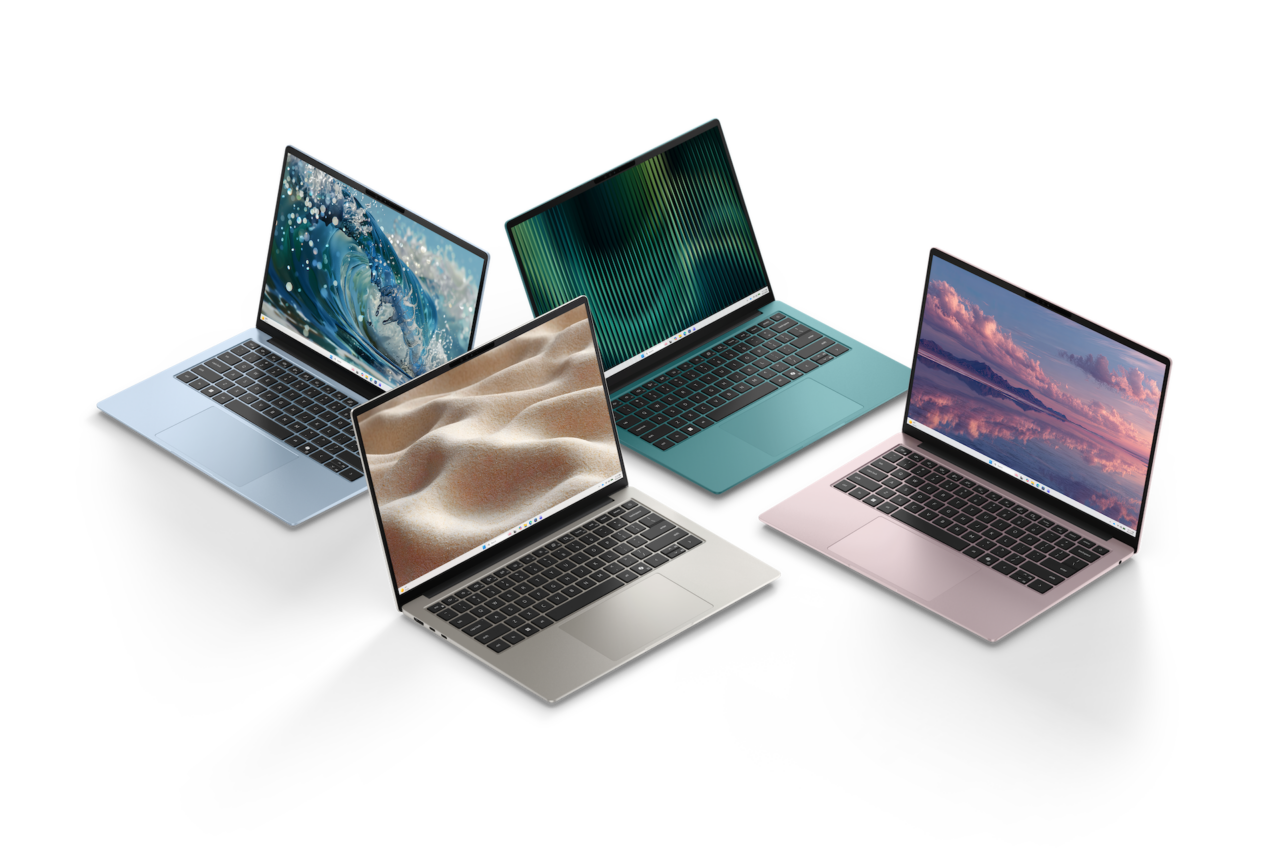
Dell Unveils 14S Laptop to Compete With Apple's MacBook Neo in US
Dell has launched the 14S laptop, targeting students with a colorful, budget-friendly device that directly challenges Apple's MacBook Neo amid concerns about value and pricing.
8 sources · today
Google Rapidly Expands Gemini AI With Student Tools and New Models
Google has rolled out major updates to its Gemini AI platform, launching new models and offering free AI access to students, signaling a push to make its AI central to education and creative work.
27 sources · over 6 days
Apple Schedules September 9 Event to Launch iPhone 18 Pro and Foldable Ultra
Apple will unveil the iPhone 18 Pro and its first foldable iPhone Ultra at a major September 9 event, marking a pivotal moment for both its flagship lineup and entry into the foldable phone market.
46 sources · over 7 days