CNG and PNG Prices Jump in Delhi and Mumbai Amid West Asia Crisis
CNG prices have surged in both Delhi and Mumbai due to rising LNG import costs linked to instability in the Middle East, leading to fare hike demands from auto and taxi drivers and increased commuter costs.
By Fatima Al-Rashid · First published 28 Aug 2026
In brief
- CNG prices in Delhi rose by ₹3.89 to ₹86.98 per kg, effective August 29, 2026.
- Mumbai's CNG prices increased by ₹2 to ₹88 per kg, with PNG prices up by ₹1 per SCM from August 31, 2026.
- Auto and taxi unions in Delhi are demanding fare hikes to offset rising fuel costs, threatening strikes if unmet.
- Commuters in both cities are facing higher transport costs, with fare adjustments being implemented in Mumbai.
- Further instability in the Middle East may lead to additional price hikes, affecting households and transport sectors.
Timeline · 6 moments
Delhi CNG prices hiked by ₹3.89 amid LNG cost rise
Times of India India ↗Delhi CNG price now near ₹87/kg after latest hike
India Today ↗Auto, taxi unions in Delhi demand fare hikes after CNG price rise
Mint ↗Delhi auto, taxi drivers seek higher fares after CNG hike
The Hindu ↗Mumbai CNG price hiked by ₹2/kg, PNG by ₹1/SCM
The Hindu ↗Mumbai auto, taxi fares hiked after CNG price increase
Business Line - Home ↗How it started
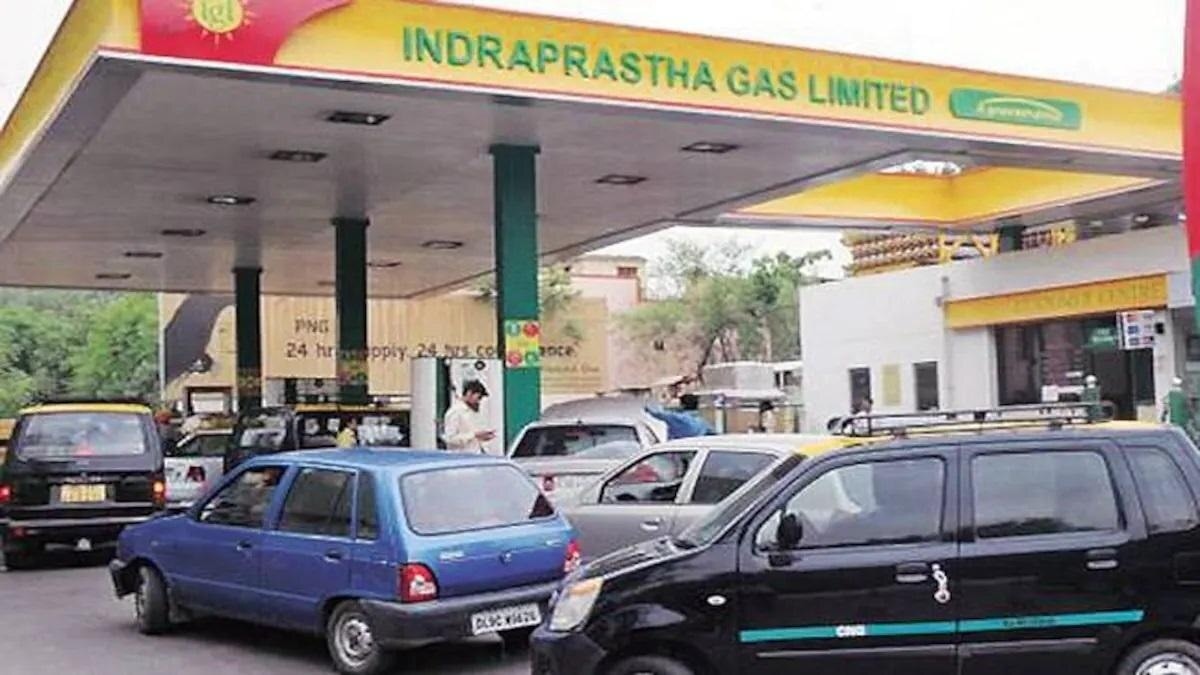
In August 2026, tensions in the Middle East began affecting global energy markets. India, which relies heavily on imported liquefied natural gas (LNG), started to feel the impact. According to Business Line, Indraprastha Gas Limited (IGL) cited the ongoing West Asia crisis for rising costs, as disruptions in supply chains and increased competition for natural gas pushed up prices.
This situation set the stage for fuel price hikes in two of India's largest cities, Delhi and Mumbai. The rising costs directly threatened the affordability of public transport and household gas, as both CNG (Compressed Natural Gas) for vehicles and PNG (Piped Natural Gas) for homes depend on these imports.
How it unfolded
On August 28, 2026, Indraprastha Gas Limited announced that CNG prices in Delhi would rise by ₹3.89 per kilogram, effective from 6 AM on August 29. The new price reached ₹86.98 per kg, as reported by India Today and Times of India India. This marked the fifth CNG price hike in Delhi since the beginning of the year.
Auto-rickshaw and taxi unions in Delhi quickly responded. Mint reported that unions demanded fare hikes to offset their increased costs, threatening strikes if their demands were not met. Drivers told The Hindu that the price rise was cutting into their daily earnings and called for both higher fares and more access to electric vehicles.
Meanwhile, Mumbai residents faced similar shocks. On August 31, Mahanagar Gas Ltd announced it would raise CNG prices by ₹2 per kg and PNG prices by ₹1 per SCM, with new rates effective from midnight, as noted by The Hindu and Dainik Bhaskar National. The new CNG price in Mumbai reached ₹88 per kg. The increases were again attributed to higher gas costs caused by tensions in the Middle East.
By September 1, Times of India reported that Mumbai commuters also faced higher auto and taxi fares, as well as increased milk prices. Drivers were given until November-end to recalibrate their meters or display updated fare tables, according to Business Line.
Where it stands
As of September 1, 2026, commuters in both Delhi and Mumbai are paying more for CNG, PNG, and public transport. In Delhi, unions are still pushing for fare hikes to match the increased fuel costs. In Mumbai, new auto and taxi fares are in effect, and drivers are adjusting their meters.
The fuel price hikes continue to squeeze household budgets and transport operators. Both cities are watching the Middle East situation closely, as any further supply disruptions could lead to more price increases.
What to watch
The key questions now are whether Delhi authorities will approve new fare rates for auto and taxi services, and how quickly these changes will reach commuters. Further instability in the Middle East could drive prices even higher, affecting more cities and sectors.
More in Business
All →
Dell Raises 2027 Revenue Forecast After Soaring AI Server Sales and Record Quarter
Dell Technologies reported a 58 percent revenue jump in its latest quarter, driven by surging demand for AI servers, prompting the company to raise its 2027 revenue outlook and impress investors.
8 sources · over 2 days
Why Subhash Chandra's ₹6.5 Crore Repayment Plan for ₹22,006 Crore Debt Is on Hold
A controversial insolvency settlement that would see Subhash Chandra pay a fraction of massive personal debts is now paused, as legal disputes and creditor challenges raise new questions about India's insolvency process.
8 sources · over 7 days
Uber Slashes 3,300 Jobs in Largest Restructuring Since Pandemic
Uber is cutting about 10 percent of its global workforce, targeting management layers and small teams, as it shifts focus to ride-sharing, delivery, and autonomous vehicle development amid intensifying competition.
30 sources · today