Drumcree Parade Allowed on Garvaghy Road After Nearly 30 Years Amid Tension
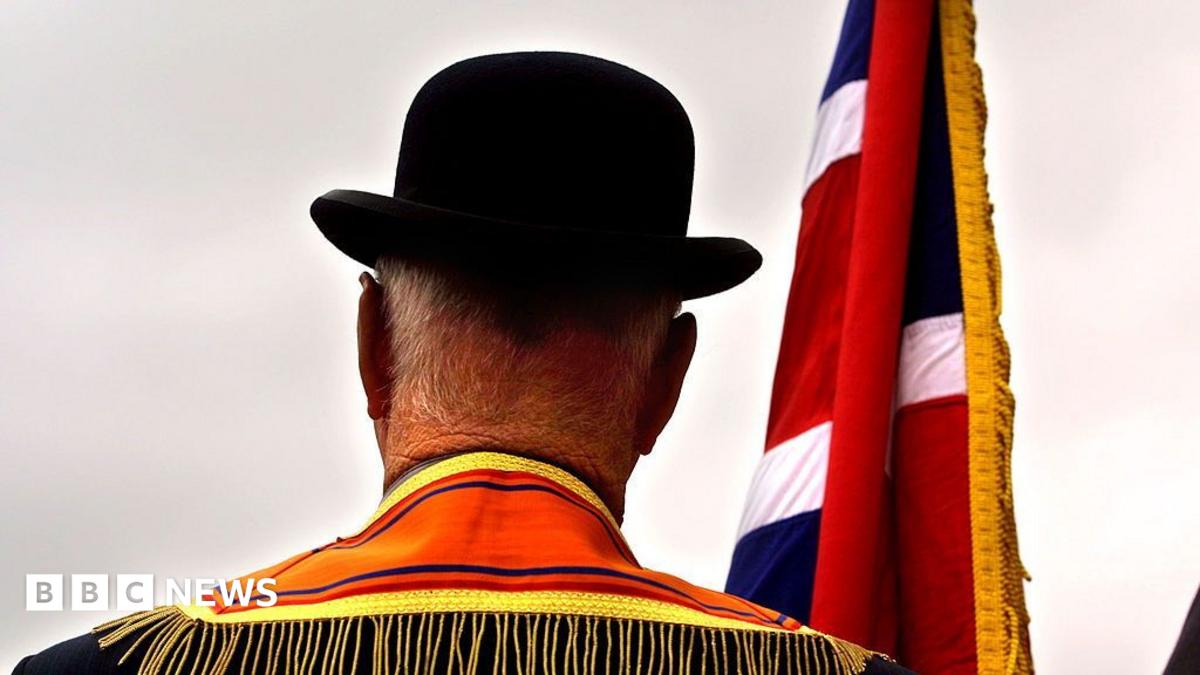
A Belfast court has cleared the way for the controversial Orange Order march to proceed through Portadown's Garvaghy Road, reviving old tensions between Protestant and nationalist communities.
By Hannah Lindqvist · First published 27 Sept 2026
In brief
- The Parades Commission approved the Orange Order's request to march down Garvaghy Road for the first time in 29 years.
- Nationalist residents and their representatives voiced strong opposition, warning of possible unrest if the parade went ahead.
- A residents' group challenged the decision in court, leading to a temporary High Court injunction halting the march.
- The Court of Appeal later overturned the injunction, allowing the parade to proceed as planned on Sunday morning.
- Local nationalist groups have said existing parading settlements could unravel, and protests are expected as the march takes place.
Timeline · 7 moments
Nationalist groups warn parading settlements could unravel
BBC - Home ↗Political parties meet Parades Commission before decision
Irish Times ↗Parades Commission approves Orange Order march on Garvaghy Road
Irish Times ↗Residents' group vows to challenge parade in High Court
BBC - Home ↗High Court issues injunction halting the march
Guardian Politics ↗Court of Appeal overturns ban, parade to proceed
BBC News ↗Crowds gather to protest as parade set to go ahead
Al Jazeera ↗How it started
The Orange Order, a Protestant fraternal group, applied to the Parades Commission to march along Garvaghy Road in Portadown. This route, which passes through a mainly nationalist area, has been off-limits to the Order for nearly three decades due to fears of unrest and longstanding community tensions.
Nationalist residents' groups quickly warned that allowing the parade could threaten hard-won local agreements about parading and peace in the area. Local politicians, including Sinn Féin, raised concerns with the Parades Commission and called for careful consideration of the potential consequences.
How it unfolded
On September 25, the Parades Commission granted permission for the Orange Order to march down Garvaghy Road. This decision was met with anger and anxiety from local residents, who pledged to mobilise in opposition. Some nationalist groups said they were fearful about the weekend and what might happen if the march went ahead.
A residents' group from Garvaghy Road immediately launched a legal challenge, taking the issue to the High Court in Belfast. The High Court issued a temporary injunction, stopping the parade from going ahead while the case was considered.
The situation shifted dramatically late on September 26. The Portadown District Orange Lodge declined a judge's request to postpone the march, insisting on their right to proceed. That night, the Court of Appeal reviewed the case and overturned the earlier injunction, ruling that the suspension of the parade "erred in law."
By September 27, preparations for the parade resumed. Crowds began to gather early on Garvaghy Road, with many residents protesting against the court's decision to let the parade go ahead.
Where it stands
The Orange Order parade is now set to proceed on Sunday morning along Garvaghy Road, marking the first time in nearly 30 years that such a march has been permitted on this route. Legal challenges have failed to stop the event, and local nationalist groups are organising protests in response.
Community leaders and politicians are calling for calm, but concerns remain high about the possibility of unrest or renewed tensions between the Protestant and nationalist communities in Portadown.
What to watch
All eyes will be on Portadown as the parade takes place. Authorities and community groups will be monitoring for any signs of violence or disorder, and there are questions about how this event could affect future parading arrangements and community relations in Northern Ireland.
More in World
All →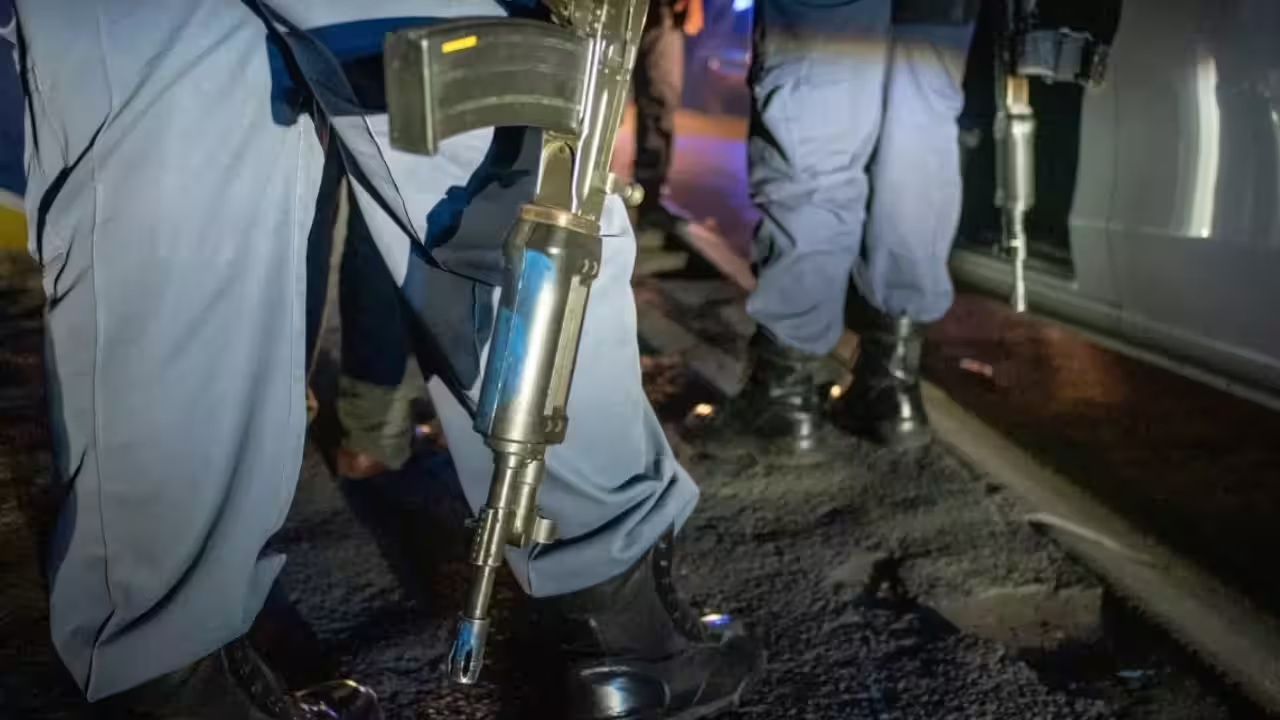
Seventeen Killed in Mass Shooting at South African Bar, Second Attack Reported
Two mass shootings in South Africa, including one near Johannesburg that left seventeen dead, have sparked a nationwide manhunt and heightened concerns over public safety.
8 sources · today
Jaishankar Confronts Pakistan and Urges Maritime Safety at UN General Assembly
India's foreign minister condemned attacks on civilian shipping and directly challenged Pakistan over terrorism, putting maritime security and regional tensions into the international spotlight at the UN.
12 sources · over 2 days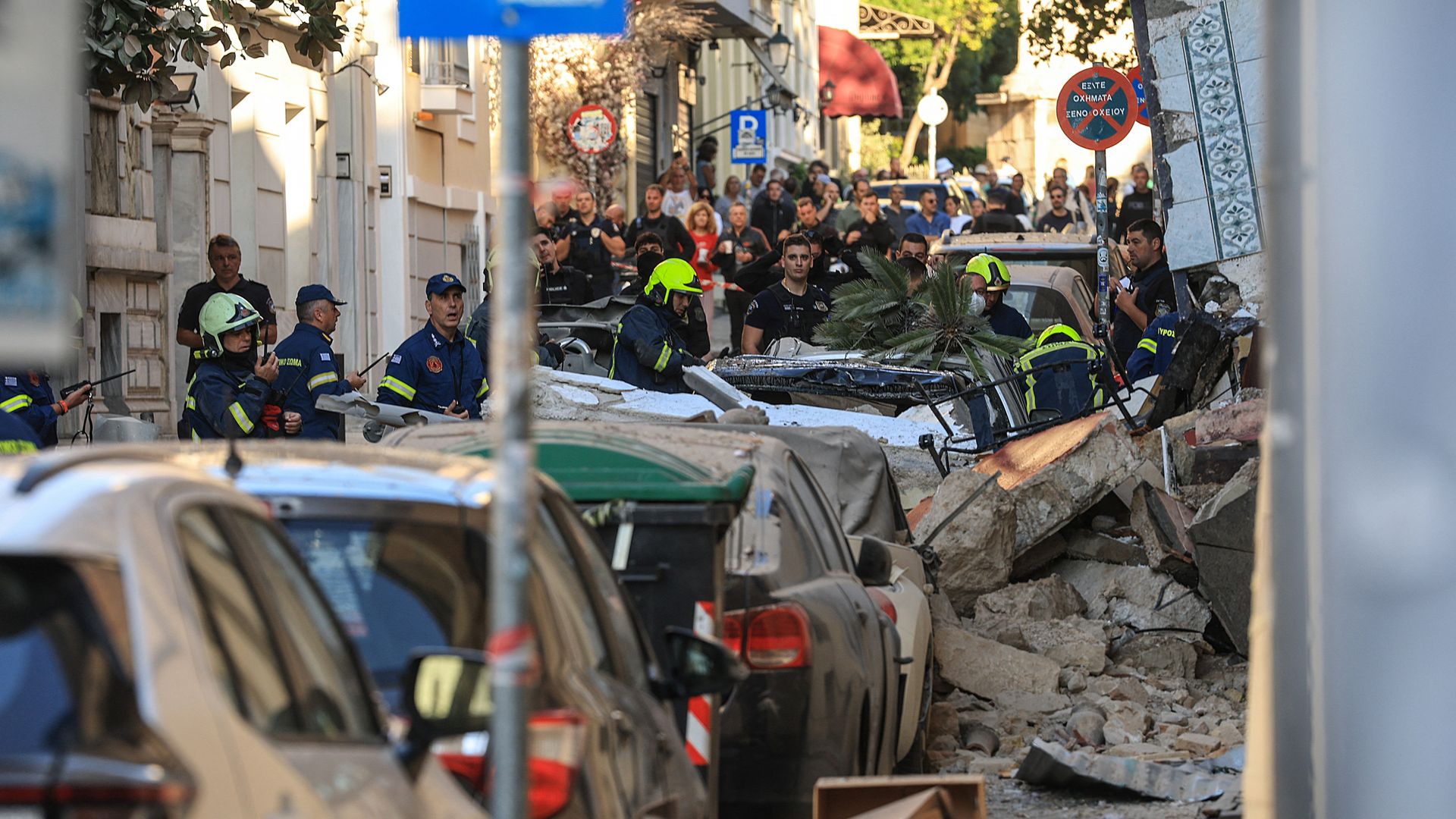
Death Toll Rises to Six After Athens Tourist District Explosion
Six people, including four Americans and a British-Greek couple, have been confirmed dead in the Athens explosion near the Acropolis.
26 sources · over 2 days