Eiffel Tower Closed After Staff Strike Over Exclusion of Female Workers During Hindu Delegation Visit
The Eiffel Tower was abruptly closed as staff protested the removal of female employees during a Hindu group's visit, sparking investigations and debate over gender equality in France.
By Ravi Menon · First published 8 Sept 2026
In brief
- Female Eiffel Tower employees were asked to stay out of sight during a private visit by a Hindu delegation.
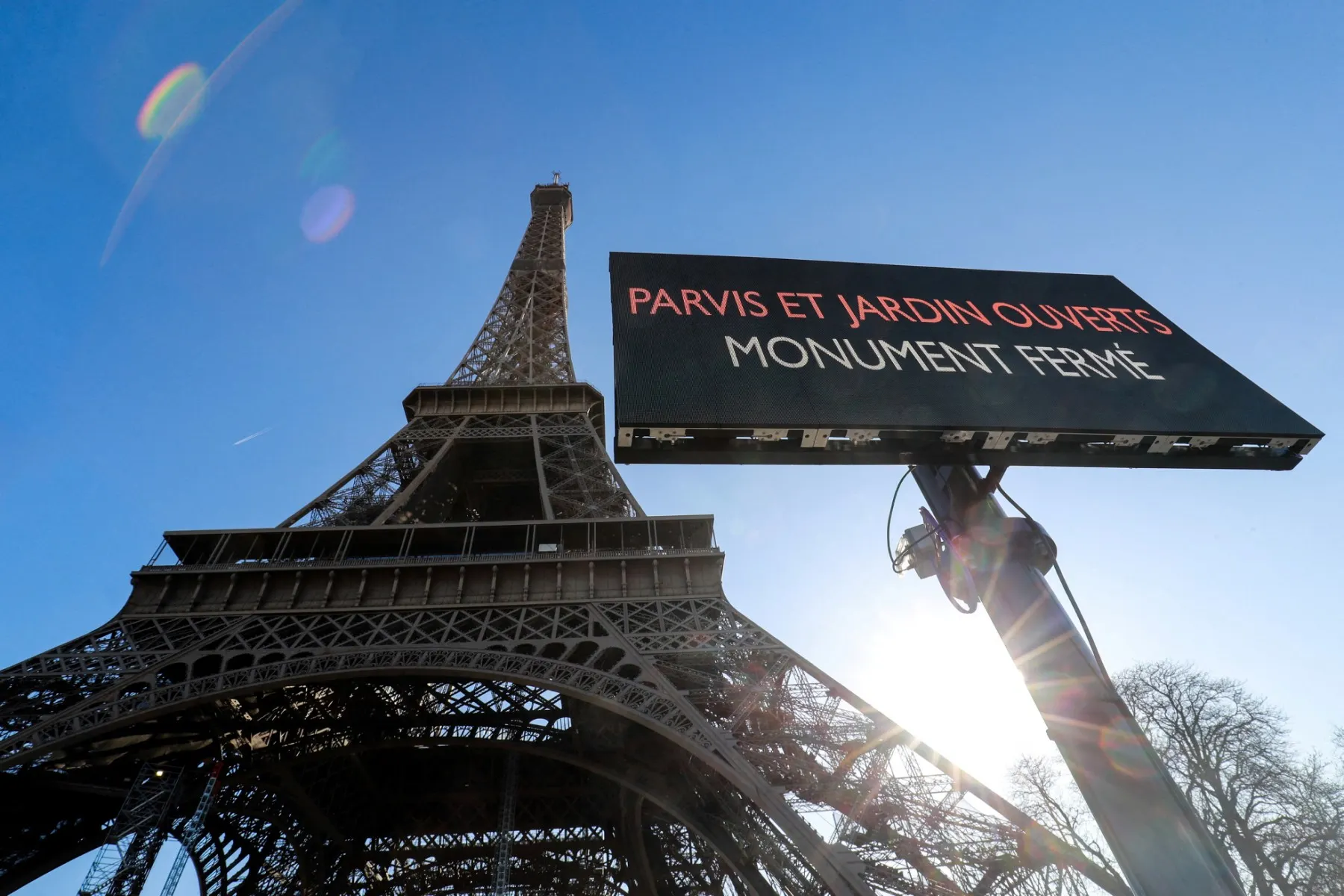
- Staff staged a wildcat strike on September 7, leading to the immediate closure of the Eiffel Tower in Paris.
- The operating company admitted to granting the group's request and later apologized, saying it should not have agreed.
- French authorities and the mayor of Paris have launched investigations into the incident and its handling.
- The Hindu group involved has issued an apology, and the Eiffel Tower is expected to reopen after the protest.
Timeline · 4 moments
Female staff excluded during Hindu group visit to Eiffel Tower
Le Monde ↗Eiffel Tower staff launch wildcat strike over exclusion incident
The Local ↗Eiffel Tower closes to public as staff protest continues
France24 ↗Hindu group issues apology for incident at Eiffel Tower
Euronews ↗How it started
The controversy began during a private visit by a Hindu delegation to the Eiffel Tower over the weekend. According to Le Monde, the visiting group requested that female staff be excluded from interacting with them during their time at the monument. The Eiffel Tower's operating company acknowledged that it accepted this request, later admitting that it was a mistake.
Unions and staff quickly raised concerns, arguing that the exclusion of women from their workplace was discriminatory and unacceptable in France. The incident touched a nerve, given the country's strong stance on gender equality and the presence of women in public life.
How it unfolded
On Monday, September 7, staff at the Eiffel Tower staged a wildcat strike in response to the exclusion of their female colleagues, as The Local reported. The action led to the immediate closure of the iconic landmark, which normally welcomes nearly seven million visitors each year.
Management confirmed that the strike was triggered by the decision to meet the delegation's demand, and expressed regret over the situation. The Hindu group at the center of the controversy, identified as the Bochasanwasi Akshar Purushottam Swaminarayan Sanstha (BAPS), issued a statement apologizing for any pain or inconvenience caused, as Euronews noted.
Political leaders, including the mayor of Paris, responded by announcing that an investigation would be launched into the circumstances of the visit and the exclusion of women, according to BBC News. The incident quickly gained international attention, sparking wider debate about religious accommodation, workplace rights, and gender equality.
By the end of Monday, the Eiffel Tower remained closed, with staff and management in discussions about how to move forward and prevent similar incidents in the future.
Where it stands
The Eiffel Tower was still closed as of Monday evening, with the strike expected to end soon and the landmark likely to reopen on Tuesday, as reported by News18. Investigations by both the city and the tower's operating company are underway to determine how the request was handled and to address staff concerns.
The incident has prompted public apologies from both the tower's management and the visiting Hindu group. The event remains a point of discussion in France, especially regarding how cultural or religious requests are managed in public institutions.
What to watch
Investigations are ongoing, and their findings may shape future policies on religious or cultural requests at public sites like the Eiffel Tower. There is also pressure from unions and political leaders to ensure such exclusions cannot happen again, meaning new guidelines or training for staff could be introduced.
More in World
All →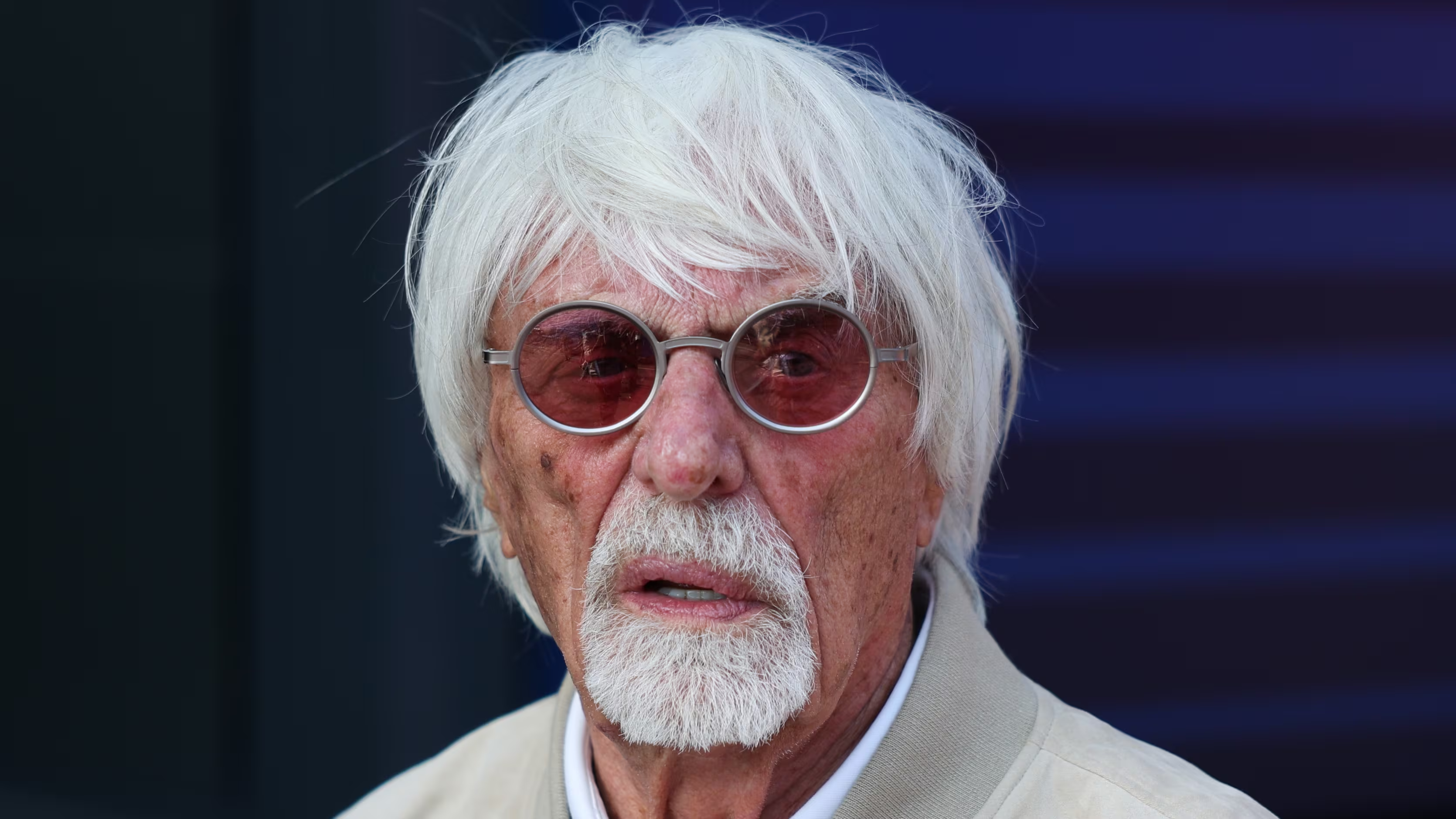
Bernie Ecclestone Arrested in Portugal for Carrying Shotgun on Private Jet
Bernie Ecclestone, the 95-year-old former Formula One boss, was arrested in Portugal after authorities found an illegal shotgun on his private jet.
11 sources · today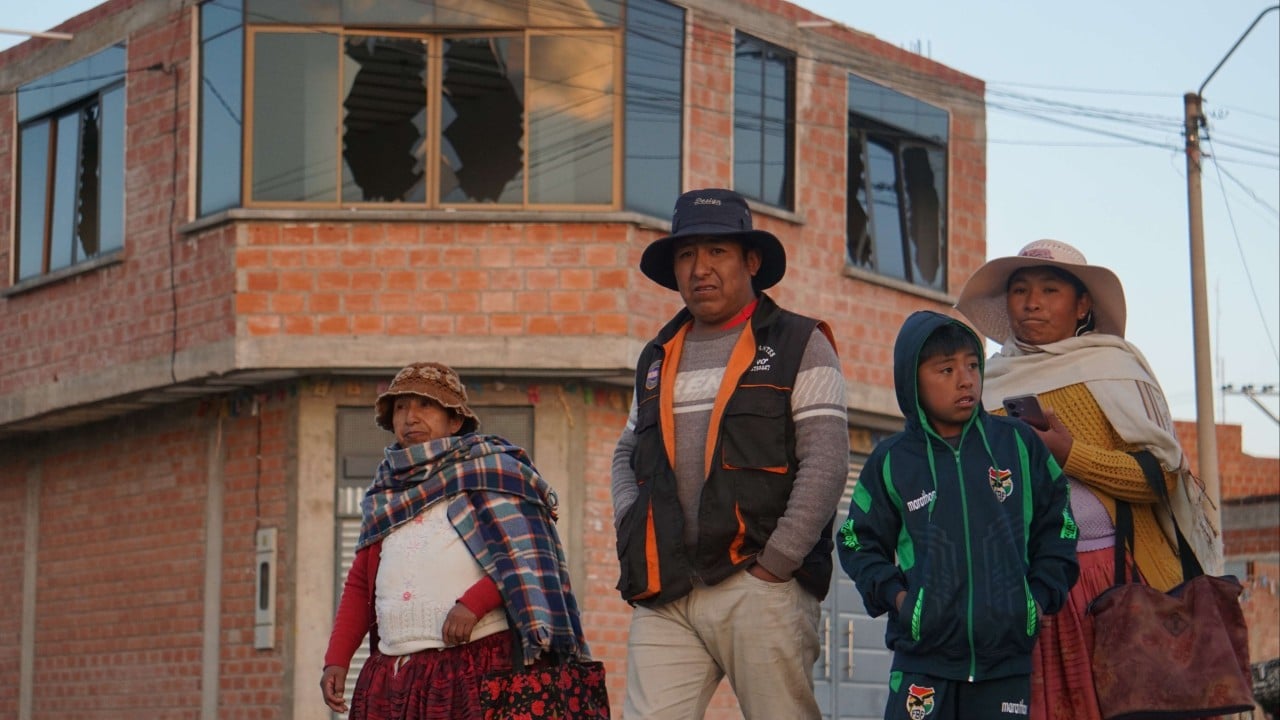
Death Toll Rises to Seven in Bolivian Military Base Explosion
Officials now confirm at least seven deaths in the Viacha military base explosion, with dozens injured and rescue operations ongoing.
23 sources · over 4 days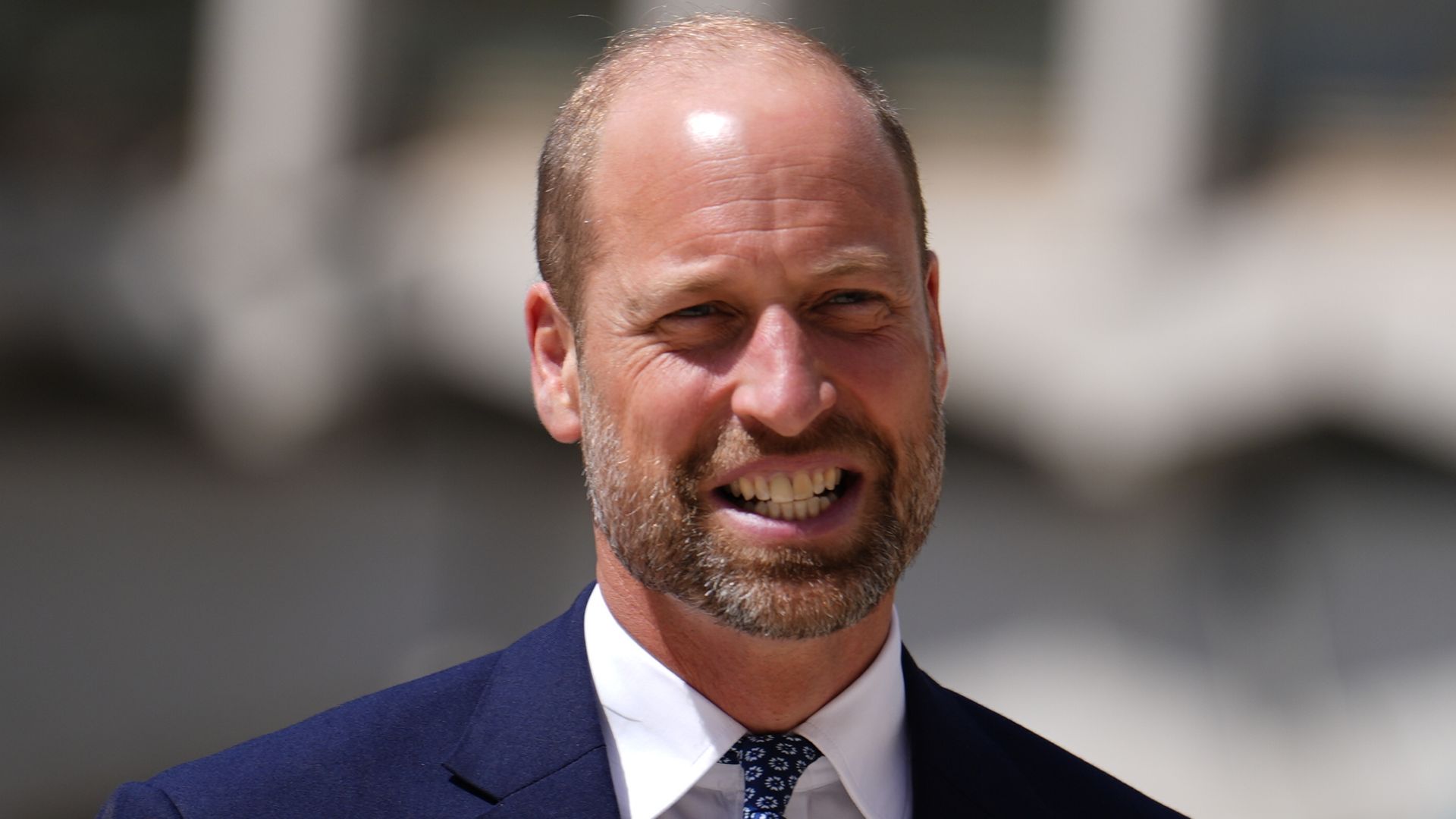
Prince William to Attend King Harald's Funeral on Behalf of King Charles
Prince William will travel to Norway to represent King Charles at King Harald's funeral, highlighting close royal ties as European monarchies mark a significant loss.
8 sources · over 2 days