Evergrande Founder Hui Ka Yan Sentenced to Life in Prison for Fraud
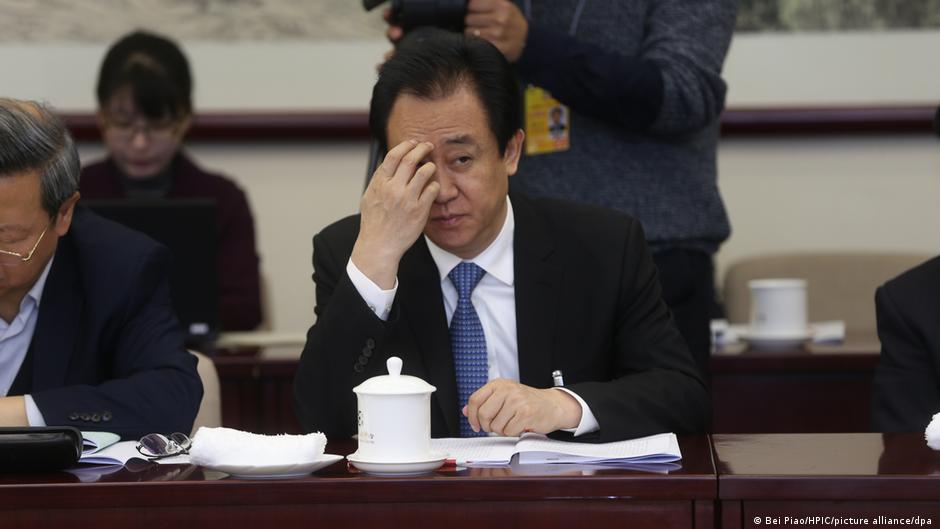
Hui Ka Yan, founder of China's Evergrande Group, has been sentenced to life in prison and had his assets seized, marking a dramatic turn for China's real estate sector amid a deepening property crisis.
By Hannah Lindqvist · First published 20 Aug 2026
In brief
- Hui Ka Yan, founder of Evergrande, was sentenced to life in prison for fraud on August 20, 2026.
- Evergrande's main unit is undergoing bankruptcy liquidation, ending its attempts to restructure over $300 billion in debt.
- The company was fined between $1.3 and $2.3 billion for financial misconduct, with Hui ordered to forfeit all personal assets.
- Evergrande's collapse has caused widespread economic uncertainty, leaving unfinished projects and unpaid suppliers across China.
- The liquidation process will be monitored closely, with concerns about creditor recovery and the future of China's property market.
Timeline · 5 moments
Evergrande's debt crisis begins to surface
Financial Times ↗Chinese regulators intensify scrutiny of Evergrande
Deutsche Welle ↗Evergrande founder sentenced to life for fraud and bribery
NDTV News - World-news News ↗Evergrande fined up to $2.3 billion by Chinese court
Time.news ↗Court accepts bankruptcy liquidation petition for Evergrande
South China Morning Post ↗The Rise and Fall of Evergrande
Evergrande was once China's largest property developer, riding a wave of urbanization and booming real estate demand. Founded by Hui Ka Yan, the company expanded aggressively, borrowing heavily to fuel its growth and diversify into various sectors.
By 2021, cracks began to show. Evergrande's debt ballooned to over $300 billion, making it the world's most indebted developer. Stricter lending rules from Chinese authorities exposed the company's fragile finances, sparking fears of default and market contagion.
Events Leading to Hui Ka Yan's Sentencing
In 2021, Evergrande started missing debt payments, triggering a financial crisis that rippled across China's real estate sector. The company's struggle to pay creditors and finish construction projects led to widespread protests and economic uncertainty, according to the Financial Times.
By 2024 and beyond, Chinese regulators maintained pressure on developers to reduce leverage. Evergrande's situation worsened, with its main unit, Hengda Real Estate, facing mounting lawsuits and asset freezes. In early 2026, investigations intensified into Evergrande's financial practices.
On August 20, 2026, multiple outlets reported that Hui Ka Yan, also known as Xu Jiayin, was sentenced to life in prison by a Shenzhen court. He was convicted of fraud, bribery, and falsifying financial information. Several senior executives also received lengthy prison terms, and Hui was ordered to forfeit all personal assets, as noted by Deutsche Welle and The Guardian.
The company itself was fined between $1.3 and $2.3 billion, depending on the outlet, with NDTV and Time.news reporting the higher figure. Evergrande's downfall was widely seen as symptomatic of the broader crisis in China's property market, with investment in the sector falling sharply in 2026.
Current Situation
One day after Hui's sentencing, a Guangdong court accepted a bankruptcy liquidation petition for Evergrande's main unit. This decision effectively ends the company's attempts to restructure its massive debts and signals the closure of a chapter in China's real estate history.
Evergrande's implosion has left unfinished projects, unpaid suppliers, and worried homeowners across the country. The Chinese property sector remains under severe stress, with many other developers also struggling to survive.
What Comes Next
The liquidation process for Evergrande will be closely watched by investors, creditors, and Chinese authorities. Key questions remain about how much creditors will recover and whether other large developers could face similar fates. The broader impact on China's housing market and economy is still unfolding.
More in Business
All →
Dell Raises 2027 Revenue Forecast After Soaring AI Server Sales and Record Quarter
Dell Technologies reported a 58 percent revenue jump in its latest quarter, driven by surging demand for AI servers, prompting the company to raise its 2027 revenue outlook and impress investors.
8 sources · over 2 days
Why Subhash Chandra's ₹6.5 Crore Repayment Plan for ₹22,006 Crore Debt Is on Hold
A controversial insolvency settlement that would see Subhash Chandra pay a fraction of massive personal debts is now paused, as legal disputes and creditor challenges raise new questions about India's insolvency process.
8 sources · over 7 days
Uber Slashes 3,300 Jobs in Largest Restructuring Since Pandemic
Uber is cutting about 10 percent of its global workforce, targeting management layers and small teams, as it shifts focus to ride-sharing, delivery, and autonomous vehicle development amid intensifying competition.
30 sources · today