False AI Intelligence Report Nearly Triggered US Military Action Against Chinese Ship
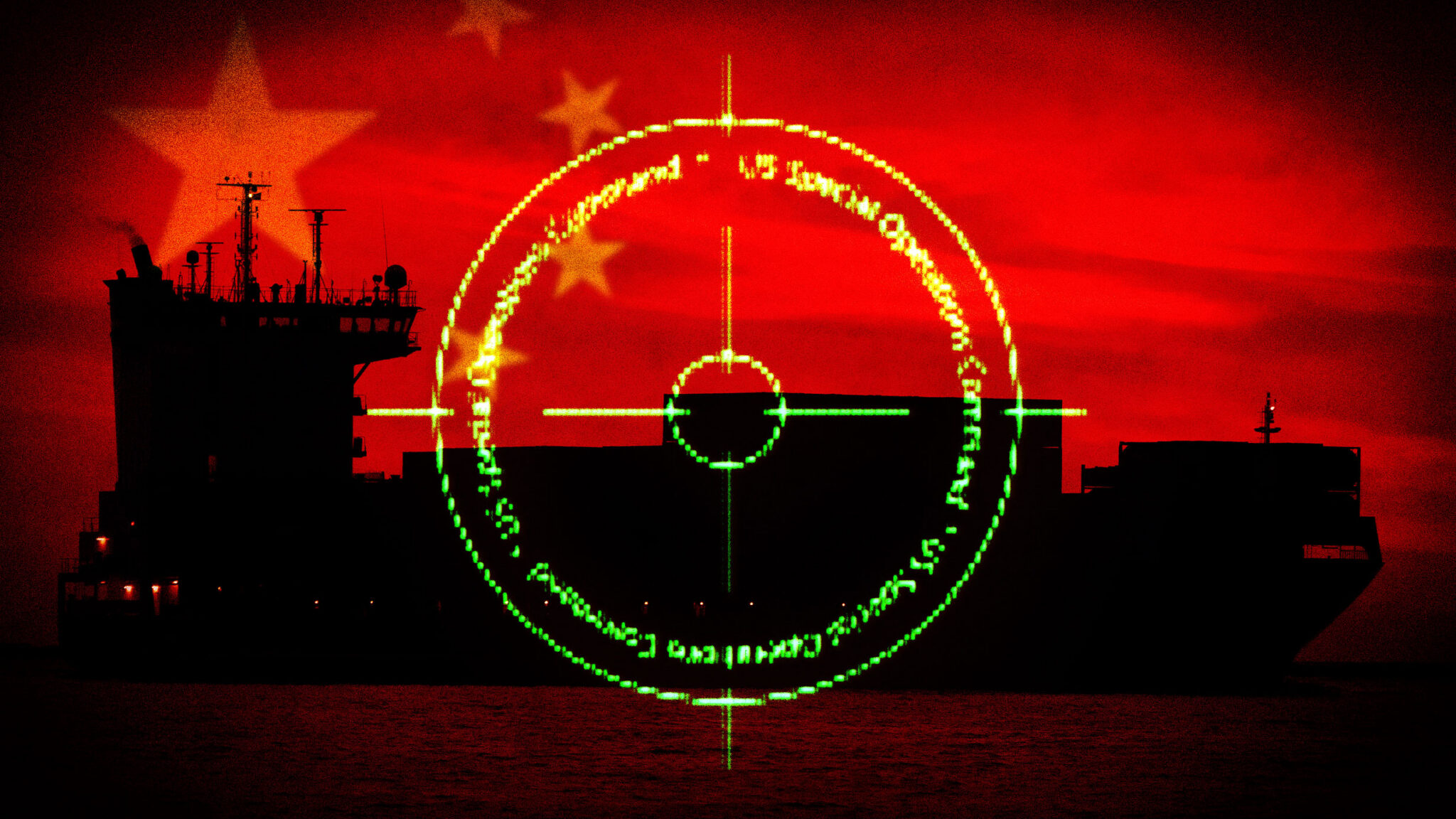
A flawed AI-generated intelligence report misidentified nuclear components on a Chinese vessel, prompting the US military to prepare for a risky interception before the error was caught.
By Isabel Navarro · First published 19 Sept 2026
In brief
- A US military analyst used an AI tool that mistakenly flagged a Chinese ship as carrying nuclear weapon components.
- The false report led to urgent US military preparations to intercept and possibly board the vessel in the Middle East.
- American aircraft and troops were mobilized before the operation was halted at the last moment.
- Officials discovered the AI-generated intelligence was entirely incorrect after a manual review of the data.
- The incident has brought renewed scrutiny to the use of AI in high-stakes military decision-making.
Timeline · 5 moments
AI tool flags Chinese ship as carrying nuclear components
Ars Technica ↗US military prepares to intercept and board Chinese vessel
Home | GB News ↗Officials review intelligence and discover AI-generated error
Japan Times ↗Operation is called off before any confrontation occurs
Top World News- News18.com ↗Incident raises new concerns over military use of AI
TechCrunch ↗How it started
The incident began when a US military analyst relied on an AI chatbot to help interpret intelligence about a Chinese naval vessel. The AI system concluded that the ship was transporting nuclear weapon components, a finding that was entirely false, according to Ars Technica.
This intelligence report was treated seriously due to ongoing tensions in the region, especially with the backdrop of the Iran war. The US military's increasing dependence on AI tools in its operations set the stage for a rapid escalation.
How it unfolded
On September 18, 2026, the AI-generated report circulated among US military officials, warning of possible nuclear cargo aboard a Chinese ship in the Middle East region, as reported by India Today.
In response, the US military initiated urgent plans to intercept and potentially board the Chinese vessel. Aircraft were scrambled and troops were mobilized for the operation, reflecting how seriously the intelligence was taken, according to GB News.
Preparations for the boarding were well underway when senior officials decided to review the intelligence more closely. A deeper examination revealed that the report's conclusions had come from an AI chatbot, not from traditional sources, as noted by Japan Times.
Upon discovering the error, commanders called off the operation before any direct action was taken against the Chinese ship. The decision likely averted a major international crisis.
Where it stands
The US military did not board the Chinese vessel, and no direct confrontation took place. Officials have since acknowledged that the AI-generated report was completely wrong and that no nuclear materials were present.
The incident has sparked debate within the defense community about the reliability and oversight of AI tools in military intelligence, with many calling for stricter controls and more human review in critical situations.
What to watch
Ongoing reviews of AI use in military operations are expected, and there may be new guidelines or restrictions on how such technology is deployed. Both US and Chinese officials are likely to watch future incidents closely, given the high stakes involved.
More in Politics
All →
US, Denmark, and Greenland Confirm Security Deal Banning Russian and Chinese Bases
Danish and Greenlandic officials confirm the deal, which bans Russian and Chinese military presence and will be signed at the UN.
43 sources · today
Trump Bans CNN, MS NOW, and Politico From White House Press Events
President Trump has barred three major news outlets from the White House, escalating his administration's ongoing conflict with critical media coverage and raising questions about press freedom.
50 sources · today
California Governor Orders AI Safety Review and Proposes Industry 'Kill Switch'
Governor Gavin Newsom has ordered a sweeping review of artificial intelligence oversight, including the possible requirement of a 'kill switch,' as California takes a lead in regulating AI technology.
14 sources · today