First Denisovan Forearm Bone and Tools Discovered in Southwest China Cave
Recent fossil and tool discoveries in a Chinese cave reveal Denisovans lived there for over 100,000 years, shedding new light on their physical traits and lifestyle.
By Nadia Hussain · First published 9 Sept 2026
In brief
- Scientists identified the first Denisovan forearm bone among thousands of ancient fragments in a cave in southwest China.
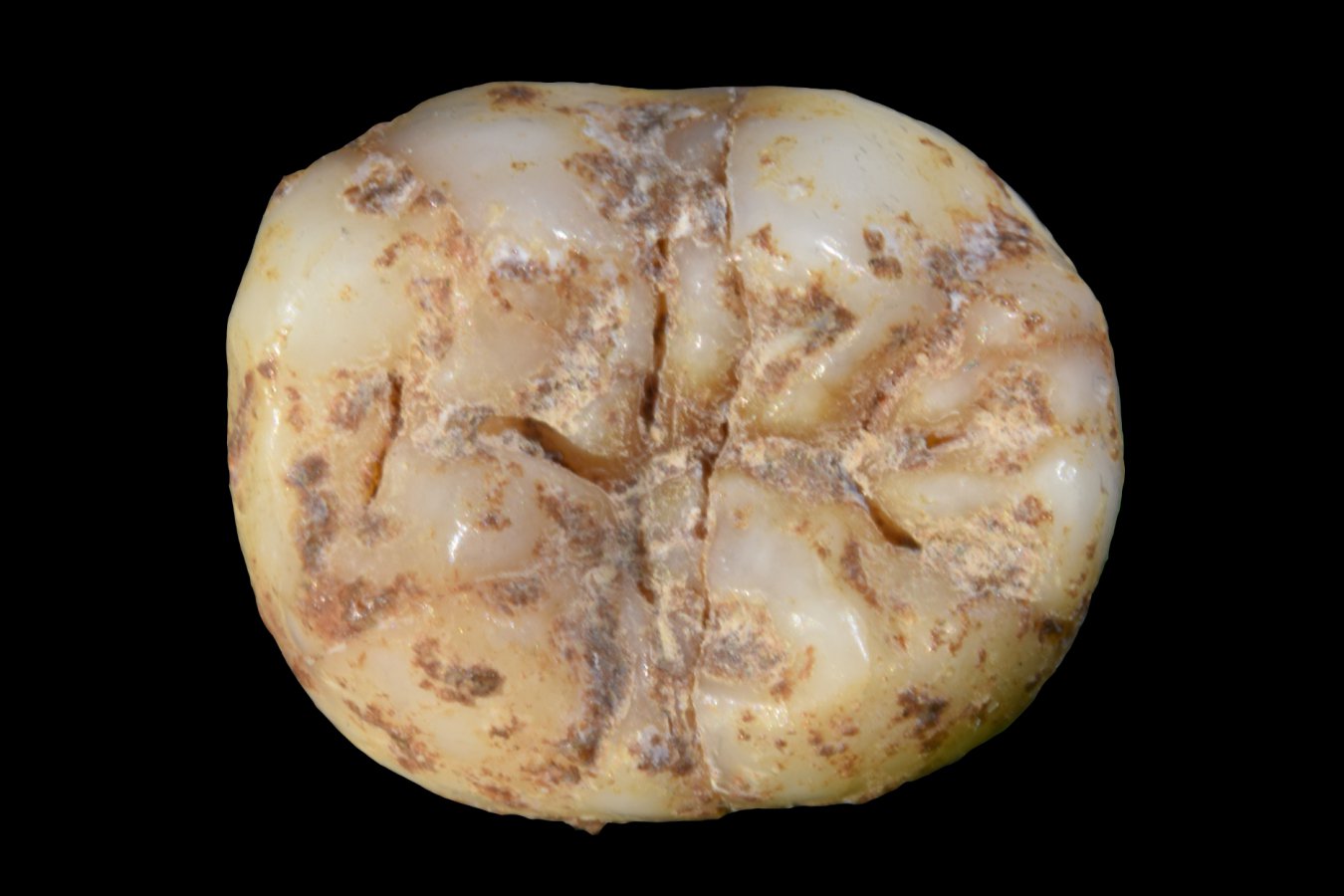
- Archaeologists also found Denisovan teeth, stone tools, and animal bones, showing they hunted and lived in forested regions.
- Proteomic and fossil analysis indicate Denisovans inhabited the cave region for at least 100,000 years, possibly longer.
- These remains provide new details about Denisovan physique, including their strength and agility, and their use of primitive tools.
- Researchers are now comparing these finds to other ancient human relatives to better understand Denisovan evolution and connections.
Timeline · 4 moments
Proteomic analysis identifies Denisovan remains in China cave
Nature ↗First Denisovan forearm bone found with stone tools
Science Magazine ↗New clues emerge about Denisovan appearance and survival
Scientific American Content: Global Science ↗Evidence suggests Denisovans lived in China cave for 100,000 years
New Scientist ↗How it started
For years, Denisovans were known mainly from a handful of fossils found in Siberia's Denisova Cave. The group remained mysterious, with little known about their appearance or how they lived. Hints of their presence in East Asia surfaced through genetic studies, but no clear physical evidence had been found in China until recently.
That changed when scientists began excavating a cave in southwest China. They sifted through more than 60,000 bone fragments, hoping to find traces of ancient humans. The focus was on uncovering direct evidence that Denisovans once called this region home.
How it unfolded
In early September 2026, researchers announced the discovery of Denisovan remains in a cave in southwest China. They identified the first Denisovan forearm bone, known as a radius, along with several teeth and other bone fragments. According to Nature, advanced protein analysis helped confirm these remains belonged to Denisovans, not another human group.
Excavations also uncovered stone cutting tools and animal bones. Science Magazine reported that the presence of these tools, alongside the fossils, suggests Denisovans were skilled hunters and toolmakers. The cave's location in a conifer forest indicates they adapted well to forested environments.
Scientific American Content: Global Science described how the remains, dated to over 130,000 years ago, are helping researchers reconstruct what Denisovans looked like and how they survived. New Scientist noted that the evidence points to Denisovans living in the region for more than 100,000 years, a much longer period than previously documented elsewhere.
Live Science highlighted that the discovery of handcrafted tools and animal bones paints a picture of a community capable of surviving in challenging environments. The findings are the most complete Denisovan record yet from outside Siberia, according to Gizmodo Tech.
Where it stands
Researchers have now confirmed Denisovans lived in southwest China for an extended period, using both fossil and proteomic evidence. The discovery of a forearm bone is especially significant, as it offers new information about Denisovan anatomy and their physical capabilities.
Studies are ongoing as scientists analyze the newly found tools and compare them with artifacts from other Denisovan and Neanderthal sites. The evidence is already changing what experts know about how Denisovans lived, hunted, and interacted with their environment.
What to watch
Scientists are now searching for more Denisovan bones and artifacts in the region to build a clearer picture of their daily lives and evolution. They are also investigating whether Denisovans interacted with other human groups in East Asia and how their tools and culture developed over time.
More in Science
All →
Google DeepMind Unveils AlphaGenome Atlas Mapping 9 Billion Human DNA Mutations
Google DeepMind has released the AlphaGenome Atlas, a massive AI-powered resource predicting the effects of every possible human DNA mutation to advance genetic disease research.
11 sources · over 3 days
OpenAI Claims Solution to Navier-Stokes Millennium Problem, Faces Credit Dispute
OpenAI announced it solved the Navier-Stokes Millennium Problem using advanced AI, but the mathematical community is divided over allegations of improper use of private research and questions about proper credit.
37 sources · over 3 days
Germany Records Lowest Scores Ever in Latest PISA Education Study
German students have posted their worst results since PISA testing began, raising urgent debates about the country's education system and calls for swift reforms.
15 sources · over 3 days