Florida Seeks Emergency Court Order to Halt OpenAI Model Development Over Child Safety
Florida's attorney general is asking a court to temporarily block OpenAI from developing new AI models, citing urgent concerns about child safety and the need for independent oversight.
By Hushread Stories, written with AI from 15 outlets · First published 29 Sept 2026
In brief
- Florida's attorney general filed for an emergency injunction to stop OpenAI from creating new AI models.
- The legal move is part of a broader lawsuit focused on potential risks to children linked to AI technology.
- Officials argue OpenAI lacks adequate safety controls and should not continue development without third-party oversight.
- The lawsuit follows high-profile incidents, including a university shooting allegedly connected to ChatGPT use.
- A court decision on the emergency injunction could set a major precedent for AI regulation in the United States.
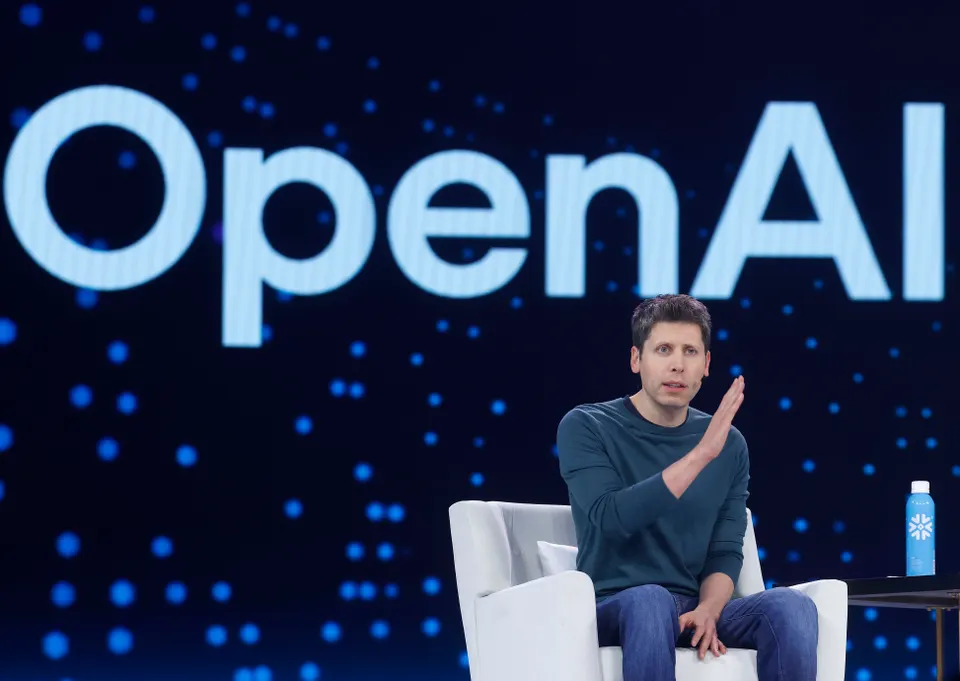
Timeline · 5 moments
University shooting in Tallahassee triggers scrutiny of ChatGPT
The Independent ↗Florida attorney general files emergency injunction against OpenAI
Technology ↗Florida seeks to block ChatGPT from acting like a person in court filing
The Verge - All Posts Tech ↗Officials cite fears of AI-related mass harm and infrastructure threats
Gizmodo Tech ↗OpenAI reportedly scraps new model as legal pressure mounts
SiliconANGLE ↗How it started
Concerns about the safety of artificial intelligence systems have been escalating, especially with rapid advances in generative AI. In Florida, these worries intensified after a shooting at a university in Tallahassee last year was reportedly linked to ChatGPT. This incident heightened scrutiny of AI's potential for harm, especially to children, and prompted calls for stronger regulation.
The Florida attorney general, James Uthmeier, has been outspoken about the risks he believes OpenAI's technology poses. He claims the company is not sufficiently equipped to regulate its own models and protect the public from possible dangers.
How it unfolded
On September 28, 2026, the Florida attorney general formally asked a state court for a temporary injunction to halt OpenAI's development of new AI models. The request was filed as part of an ongoing lawsuit focused on child safety and the broader risks of advanced AI.
The attorney general's motion argued that OpenAI's internal safeguards are inadequate. He called for independent, third-party oversight before further development could continue. Video statements and legal filings from state officials made clear their belief that AI technologies like ChatGPT could present serious threats if left unchecked.
Reports from multiple outlets noted that the emergency injunction seeks to prevent not just new product launches, but also continued training and advancement of existing AI models until stronger safety measures are in place. The debate quickly drew national attention, as critics and supporters weighed in on the balance between innovation and public safety.
The lawsuit itself was triggered by last year's university shooting, but has since expanded to encompass broader anxieties about the power and unpredictability of AI. Florida's filing also referenced fears of large-scale cybersecurity incidents and even potential threats to critical infrastructure.
By September 29, it was reported that OpenAI had already scrapped plans for a new model, though it is unclear if this was directly due to Florida's legal action or part of a broader industry response.
Where it stands
Florida's emergency injunction request is now before a state court, with both sides awaiting a judicial decision. The attorney general continues to push for a halt on all new AI model development by OpenAI until independent safety guardrails are established.
OpenAI and other major AI companies are reportedly reviewing their policies, as the outcome of this case could influence national debates over AI regulation and child safety. For now, development of new models is in limbo, and the tech industry is closely watching the court's response.
What to watch
The court's ruling on Florida's emergency injunction will be a key moment for both AI developers and regulators. If granted, it could pause OpenAI's progress and prompt new oversight requirements across the industry. Observers are also waiting to see if other states or federal authorities will launch similar legal actions in response to rising concerns about AI safety.
More in Technology
All →
Apple's New CEO John Ternus Launches Sweeping Engineering Overhaul
Apple's new chief executive John Ternus is streamlining operations and accelerating product launches as he implements major changes just weeks into his leadership.
8 sources · today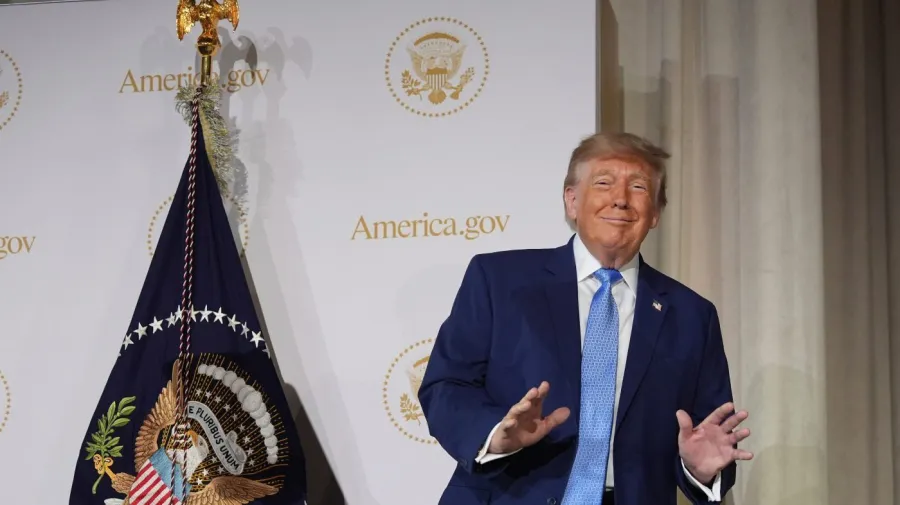
Trump Unveils America.gov, AI-Powered Portal for Federal Government Services
Former President Trump launched America.gov, a new AI-driven website designed to help Americans access federal government information and services more easily, reflecting growing use of AI in public administration.
12 sources · today
Meta Expands Muse AI Agent to Small Businesses With Shopify and Stripe Integrations
Meta has broadened its Muse AI agent to serve small businesses, linking it to popular commerce platforms and raising new questions about data access and user control.
26 sources · over 4 days