Formula 1 Debuts Madrid's Challenging Madring Circuit for 2026 Spanish Grand Prix
The Spanish Grand Prix has moved to Madrid for the first time in decades, with drivers and teams adapting to the highly demanding new Madring circuit amid high local anticipation and early drama.
By Grace Whitfield · First published 12 Sept 2026
In brief
- Formula 1 returns to Madrid for the first time since 1981, racing on the newly built Madring circuit.
- The Madring is a semi-permanent street track with fast corners and tight margins, testing both driver skill and car reliability.
- George Russell and Kimi Antonelli have shown early pace in practice, while Lewis Hamilton crashed during final practice.
- The event is drawing attention in a football-focused city, with local protests and logistical challenges also reported.
- Qualifying is next, with teams and drivers still adjusting to the unique demands of the new circuit.
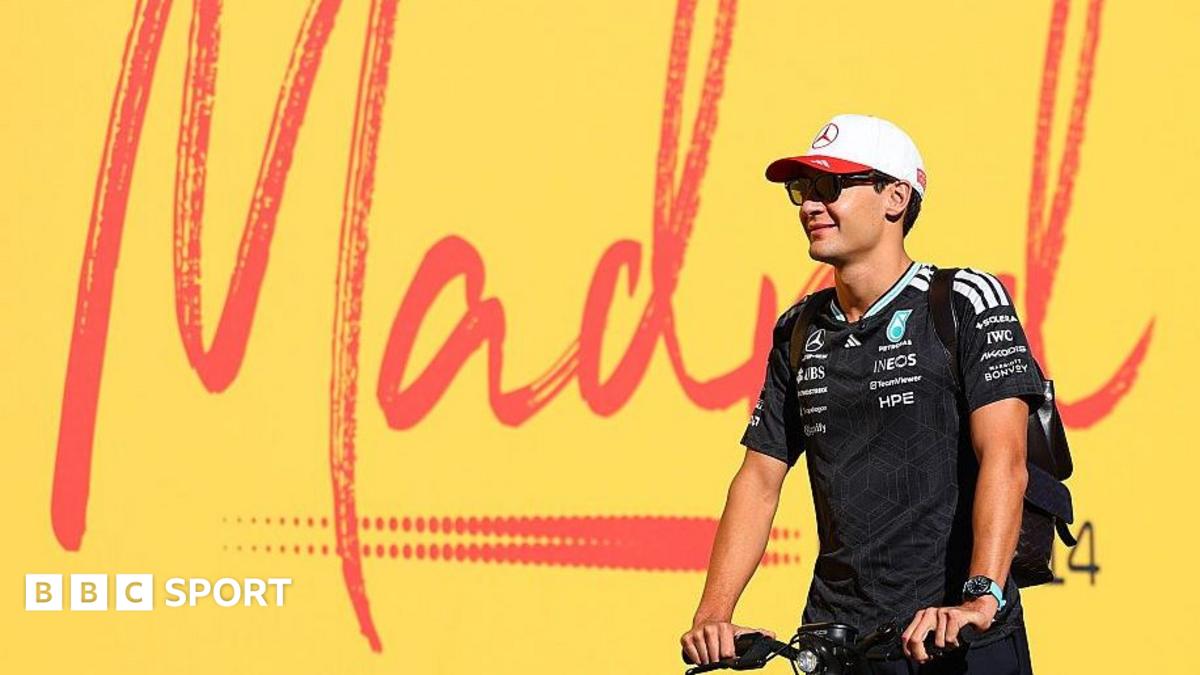
Timeline · 9 moments
F3 drivers complete first tests at Madring circuit
Sky Sports ↗Formula 1 teams arrive in Madrid for Spanish Grand Prix
BBC - Home ↗First onboard lap of Madring released to public
Sky Sports ↗Drivers praise and fear Madring's unique layout
L'Équipe ↗George Russell fastest in first F1 practice session
BBC - Home ↗Kimi Antonelli leads second practice session at Madring
L'Équipe ↗Madring earns reputation as 'The Car Killer'
L'Équipe ↗Local protests and logistical issues emerge
nu.nl ↗Lewis Hamilton crashes during final practice in Madrid
Home | GB News ↗How it started
Formula 1 has returned to Madrid for the first time since 1981, marking a significant shift for the Spanish Grand Prix. The new venue, the Madring, is a semi-permanent circuit constructed in the outskirts of the Spanish capital.
This move has generated excitement and skepticism, with Madrid known primarily for its football culture. Still, the event is seen as a major opportunity to showcase the city on a global motorsport stage.
How it unfolded
In early September, Formula 3 drivers were the first to test the new Madring track, offering a glimpse of its fast corners and technical demands. By September 10, Formula 1 teams arrived in Madrid, with drivers expressing both excitement and concern about the circuit's challenge and the city's embrace of the sport.
Practice sessions began on September 11, revealing the Madring's unforgiving nature. George Russell led the first practice, describing the track as even tighter than Monaco. Kimi Antonelli then topped the timesheets in the second session, with Ferrari and Mercedes showing strong pace.
The circuit quickly earned the nickname "The Car Killer" among paddock insiders, as its combination of high speeds and minimal runoff areas left no room for error. Local protests and logistical issues surfaced, reflecting both the excitement and disruption brought by the event.
On September 12, final practice was marred by Lewis Hamilton's crash in his Ferrari, raising concerns about how drivers would cope in qualifying and the race. Despite the incident, the anticipation for qualifying and the main event remains high.
Where it stands
The Spanish Grand Prix in Madrid has reached a pivotal moment, with practice sessions completed and teams preparing for qualifying. The Madring has already proved to be a demanding circuit, challenging drivers and engineers alike.
George Russell and Kimi Antonelli have emerged as early favorites, but the crash involving Lewis Hamilton serves as a warning of the track's hazards. Fan interest is strong despite Madrid's football-dominated culture, and the event is under close scrutiny from both motorsport insiders and locals.
What to watch
Qualifying is the immediate next step, as teams and drivers look to adapt further to the Madring's unique layout. Observers are keen to see if the circuit's reputation as "The Car Killer" will continue to influence the competition, and how the city's football-centric audience will respond to Formula 1's high-profile return.
More in Sports
All →
Ben Shelton Defeats Tiafoe to Set Up US Open Final Against Zverev
Ben Shelton reached his first Grand Slam final after beating Frances Tiafoe, setting up a title showdown with top seed Alexander Zverev at the 2026 US Open.
43 sources · over 6 days
Eddie Dunbar Sprints to Victory in Vuelta a España Stage 19 Summit Finish
Irish cyclist Eddie Dunbar surged past Santiago Buitrago in the final meters of stage 19, tightening the race as Enric Mas remains in the leader's red jersey.
8 sources · today
Edgar Grospiron Resigns as Head of 2030 French Alps Olympic Committee After Months of Turmoil
Edgar Grospiron's resignation as president of the 2030 Winter Olympics organizing committee throws the French Alps Games' preparations into uncertainty after ongoing governance crises and mounting leadership challenges.
8 sources · over 3 days