Global Stocks Slide as AI Industry Warns and Oil Prices Surge
Stock markets in the US and Asia are tumbling after AI leaders called for a slowdown and oil prices kept rising, fueling fears of higher interest rates.
By Kwame Mensah · First published 14 Sept 2026
In brief
- US stock futures dropped sharply after AI sector warnings and rising oil prices heightened investor anxiety.
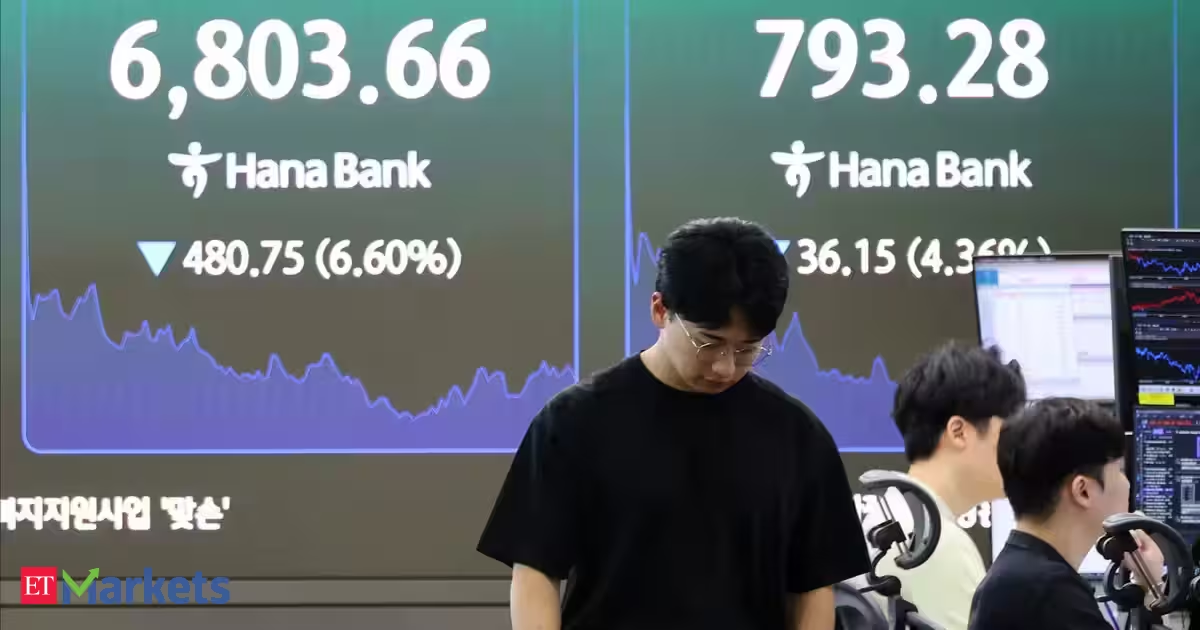
- Asian markets, including major chipmakers in South Korea and Japan, followed with significant declines early this week.
- AI industry leaders, including Anthropic and OpenAI, urged caution and announced new safety measures for advanced AI development.
- Oil prices continued their upward trend, increasing expectations that central banks may raise interest rates to combat inflation.
- Investors remain on edge as technology and energy costs reshape global economic expectations and market stability.
Timeline · 6 moments
US stock futures decline on AI warnings and rising oil
Bloomberg ↗Asian shares skid as oil prices surge and rate hikes loom
World News CNA ↗Anthropic's AI warning seen as setback for chip stocks
Bloomberg ↗AI-linked stocks in Asia fall sharply after industry warnings
Economic Times Business & Economy ↗Anthropic CEO announces new AI safety safeguards
Business Line - Home ↗AI stocks plummet after calls for industry slowdown
Forbes ↗How it started
The latest market downturn began with concerns in the United States over inflation and the rapid pace of artificial intelligence development. Over the weekend, Anthropic's CEO published an essay calling for a slowdown in advanced AI, warning against a competitive race that could compromise safety. This message was echoed by other tech leaders, including those from OpenAI and SpacexAI, increasing calls for restraint in the industry.
At the same time, oil prices were already on the rise, putting additional pressure on investors. The combination of uncertainty in the tech sector and energy markets set the stage for a wider sell-off as the new trading week began.
How it unfolded
On September 13, US stock futures began to fall as investors digested warnings from AI companies and watched oil prices climb. Concerns grew that the Federal Reserve would be forced to raise interest rates soon due to persistent inflation, adding to market jitters.
By the morning of September 14 in Asia, the sell-off had spread. Major indexes in Japan, China, and South Korea all declined. In South Korea, the Kospi Index fell more than three percent, with semiconductor giants like SK Hynix and Samsung Electronics taking heavy losses. Analysts pointed out that AI-linked and chipmaking stocks were bearing the brunt of the downturn.
The drop in technology stocks was tied directly to the public statements by Anthropic and other AI leaders, who announced plans for new safety measures and called for more cautious development. This was widely interpreted as a signal that the pace of AI advancement could slow, at least in the short term, which hurt investor confidence in related sectors.
The impact was not limited to technology. Rising oil prices stoked fears of further inflation, which could prompt central banks, including the Federal Reserve, to tighten monetary policy sooner than expected. This added another layer of uncertainty to global markets.
Where it stands
As of September 14, global stock markets remain under pressure. The technology sector, especially companies tied to AI and semiconductors, is experiencing notable declines. Oil prices continue to rise, keeping inflation concerns front and center for investors.
Calls for caution from AI leaders have triggered a reassessment of growth expectations in the tech industry, while the prospect of higher interest rates is weighing on broader market sentiment. Investors are watching closely for further signals from both central banks and technology companies.
What to watch
Market participants are waiting for any statements from the Federal Reserve or other central banks regarding possible interest rate hikes. Developments in the AI sector, particularly any new regulations or safety measures, could also influence investor confidence. Continued volatility in oil prices will remain a key factor shaping the outlook for global markets in the days ahead.
More in Business
All →
OpenAI Delays Its IPO to 2027 Amid Ongoing AI Safety Concerns
OpenAI's decision to postpone its public offering until at least 2027 reflects growing unease about artificial intelligence safety and unpredictable market conditions.
8 sources · today
Oracle Surges on Strong Earnings as AI Cloud Demand Drives Revenue Growth
Oracle's first-quarter results beat expectations with cloud infrastructure revenue more than doubling, signaling the company's strong position amid soaring global demand for AI-powered cloud services.
15 sources · over 3 days
US Inflation Rises Again, Pushing Federal Reserve Toward Rate Hike Decision
Stubborn inflation and higher energy costs have sharply increased the odds that the Federal Reserve will raise interest rates at its upcoming September meeting.
15 sources · over 5 days