IAEA Board Refers Iran to UN Security Council Over Nuclear Program
For the first time in two decades, the IAEA has reported Iran to the UN Security Council, escalating tensions over Tehran's nuclear activities and deepening divisions among global powers.
By Ravi Menon · First published 9 Sept 2026
In brief
- The IAEA Board of Governors passed a resolution referring Iran to the UN Security Council over its nuclear program.
- The resolution was drafted by the United States and three European countries, sparking strong opposition from Iran, Russia, and China.
- Iran, China, and Russia called the resolution baseless and condemned what they see as political pressure on Tehran.
- The referral marks the first time in 20 years that Iran's nuclear case has been sent to the Security Council.
- Iran claims the resolution will have no practical effect and blames outside attacks for disrupting IAEA inspections.
Timeline · 4 moments
Iran, Russia, and China reject draft resolution at IAEA Board
IRNA English ↗IAEA Board passes resolution referring Iran to UN Security Council
Arab News ↗China and Russia join Iran in condemning IAEA decision
ISNA (English) ↗UN nuclear watchdog cites Iran for non-cooperation in uranium probe
South China Morning Post ↗How it started
Concerns about Iran's nuclear activities have simmered for years, with repeated disputes over inspections and uranium enrichment. Western countries, especially the United States and its European allies, have long accused Iran of failing to fully comply with its nuclear obligations.
In the lead-up to the latest IAEA Board of Governors meeting, the US and the E3, Germany, France, and Britain, circulated a draft resolution aimed at holding Iran accountable. Iran, along with Russia and China, immediately rejected the draft, calling it baseless and politically motivated.
How it unfolded
On September 9, 2026, the IAEA Board of Governors met in Vienna to consider the draft resolution. Despite vocal rejection from Iran, China, and Russia, the board moved forward with the vote.
The resolution passed, formally referring Iran's nuclear file to the United Nations Security Council. This is the first such referral in 20 years, highlighting the gravity of the current standoff.
Iran responded with strong condemnation, arguing that the resolution is politically driven and will not produce meaningful results. Tehran also blamed US and Israeli strikes on its nuclear facilities for creating obstacles to IAEA inspections.
China and Russia joined Iran in criticizing the move, saying it undermines diplomatic efforts and increases tensions rather than resolving them. The US and its allies, meanwhile, argue that Iran's lack of cooperation left no other choice.
Where it stands
Iran's nuclear case is now officially in the hands of the UN Security Council, raising the possibility of further international action or sanctions. The divisions between Western countries and Iran, China, and Russia have become even more pronounced.
Iran insists that the IAEA resolution will not change its stance and maintains that its nuclear program is peaceful. The outcome at the Security Council remains uncertain, as major powers disagree on the best way forward.
What to watch
The next steps depend on how the UN Security Council responds to the IAEA referral. Key questions include whether new sanctions or diplomatic initiatives will be proposed, and how Iran and its allies will react to any potential measures.
The situation could escalate further if the Security Council cannot reach a consensus, especially given the current divisions among its permanent members.
More in Politics
All →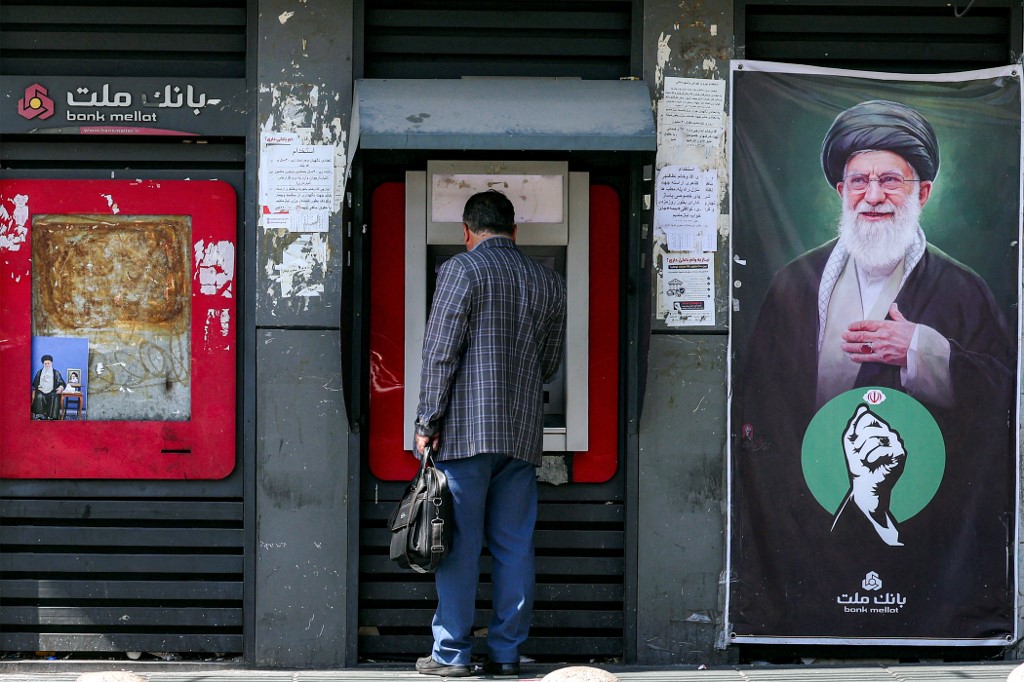
White House Advisers Warn Iran War May Continue for Years
Despite Trump's claims of a quick end, top advisers caution the Iran conflict could persist well beyond the midterms.
23 sources · today
Trump Promises $5,000 'Dividend' to Every American at GOP Convention
At the Dallas midterm convention, Donald Trump pledged a $5,000 payment to each adult if Republicans win Congress.
43 sources · over 5 days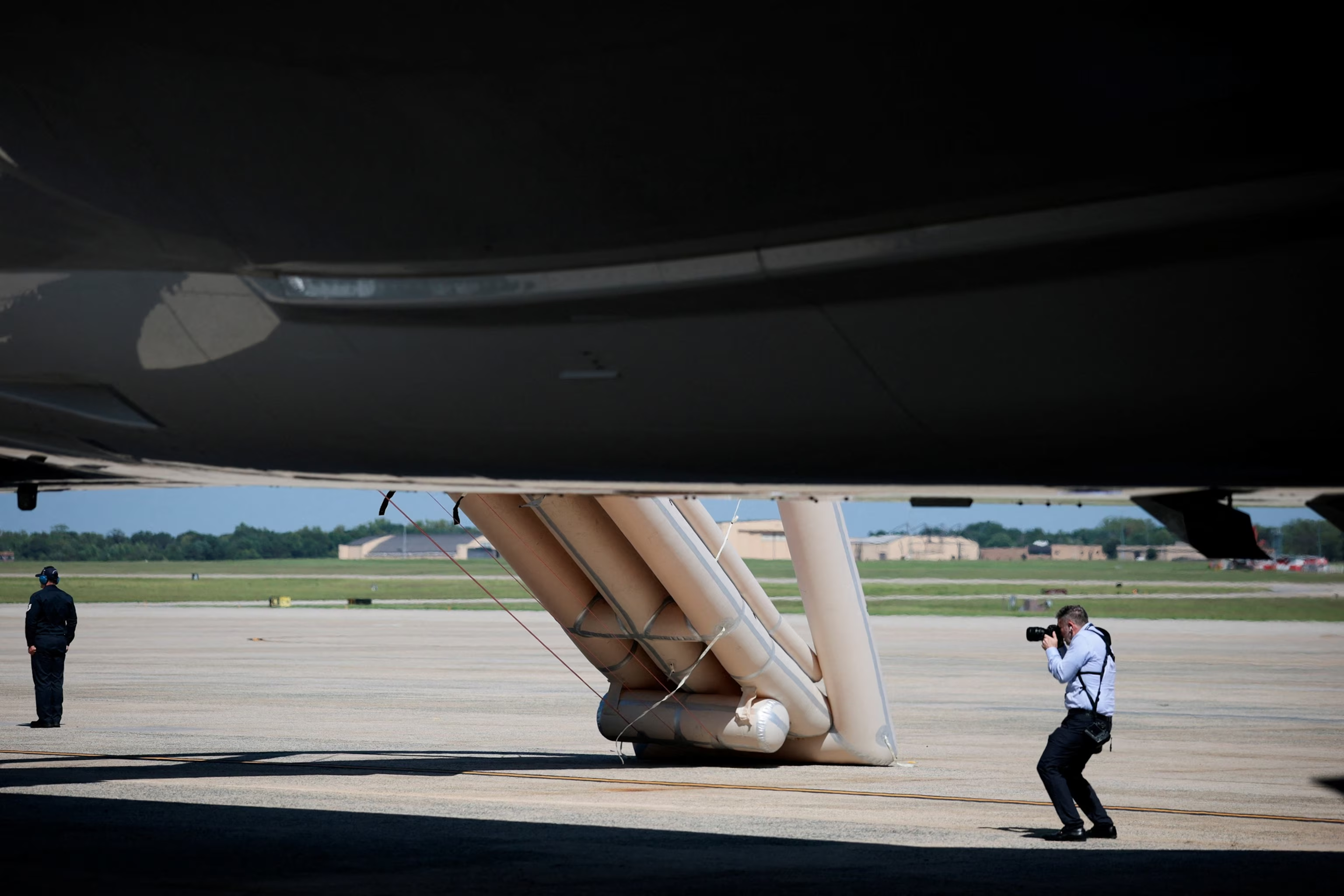
Trump Departs After Slide Incident, Air Force One to Get Upgrades
President Trump left DC after the emergency slide was removed and said the Qatari-gifted plane will get security upgrades.
16 sources · today