Iran Seizes US Drone and Attacks Bases, Disrupting Strait of Hormuz Shipping
Iran's seizure of a US underwater drone and attacks on American bases have triggered a shipping blockade in the Strait of Hormuz, escalating military and economic tensions across the Gulf region.
By Isabel Navarro · First published 13 Sept 2026
In brief
- Iran claimed to have captured a US underwater drone in the Strait of Hormuz, raising alarm about US technology security.
- Shortly after, Iran launched strikes on US military bases in Jordan and Bahrain, damaging several American aircraft.
- Shipping through the Strait of Hormuz dropped dramatically as Iran declared new restrictions and attacks targeted oil tankers.
- The United States responded by redirecting at least 100 commercial vessels and limiting air defense time slots for tankers.
- Talks between Iran, Gulf states, and Oman are set to address maritime security and the potential reopening of the vital shipping lane.
Timeline · 8 moments
Iran captures and destroys US unmanned vessel in Hormuz
Mehr News (English) ↗Iran attacks US base in Jordan, damages American aircraft
CBS Top Stories ↗Iran strikes US Fifth Fleet base in Bahrain
The Hill ↗Shipping traffic in Strait of Hormuz drops sharply
Arab News ↗Iran and Gulf states plan meeting on Hormuz security
Middle East Eye ↗US redirects 100 commercial vessels during blockade
Arab News ↗Vessel hit by unknown projectile in Strait of Hormuz
Middle East Eye ↗Iran and Oman agree on new entry and exit routes for Hormuz
Times of India Top Stories ↗How it started
Tensions in the Gulf region spiked when Iran claimed to have seized an advanced US underwater drone in the Strait of Hormuz. This incident gave Iran access to sensitive American military technology, which officials in Tehran described as a major intelligence gain.
Iran then quickly escalated the situation by declaring a restricted maritime zone around the Strait, a key global oil transit route. The US and its allies viewed these moves as both a military provocation and a direct threat to global shipping.
How it unfolded
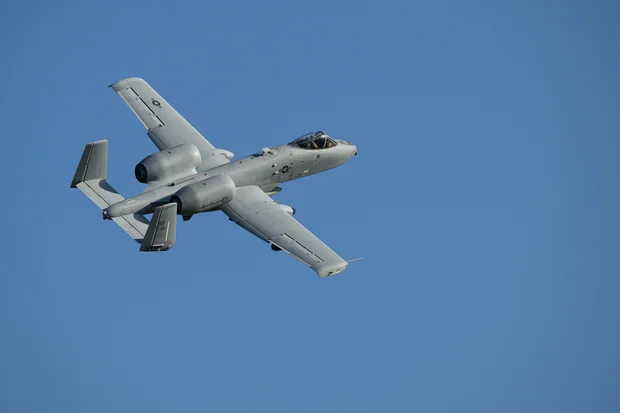
On September 10, Iran's Islamic Revolutionary Guard Corps announced it had captured and destroyed a US unmanned surface vessel at the entrance to the Strait of Hormuz. The same day, Iran launched missile and drone strikes on US military bases in Jordan, causing significant damage to American aircraft, including an A-10 Thunderbolt that lost a wing.
Iran also struck at the US Fifth Fleet base in Bahrain, with US officials later confirming extensive damage to this major logistics hub. As attacks on oil tankers increased, maritime traffic through the Strait of Hormuz dropped to single digits, with many vessels rerouted or operating with transponders off.
The US responded with a strict naval blockade, redirecting at least 100 commercial vessels over the following two months to prevent Iranian exports and control the strait's access. Both sides blamed each other for the mounting insecurity, while reports emerged of oil spills and environmental damage in the area.
Amid the military escalation, Iran and Gulf states, including Oman, began planning talks aimed at establishing new shipping rules and reducing the risk of further conflict. Despite these diplomatic moves, the strait remained effectively closed to normal traffic.
Where it stands
The Strait of Hormuz remains heavily restricted, with Iran insisting on full control and requiring vessels to seek permission before transit. US forces continue to enforce a blockade on Iranian ports and shipping, severely curtailing Iran's oil exports and disrupting global energy markets.
Both sides have suffered military losses, and the threat of further attacks on ships and bases persists. Regional states are pushing for a temporary agreement to reopen the strait and stabilize shipping, but no deal has been finalized.
What to watch
Talks in Oman between Iran and Gulf countries could yield a breakthrough on shipping security and the reopening of the Strait of Hormuz. The risk of renewed military action remains high if diplomatic efforts stall or if either side escalates further at sea or against bases.
More in World
All →
Search Underway After Indonesian Passenger Ship With 240 Aboard Goes Missing in Java Sea
A major search is ongoing after an Indonesian ship carrying over 240 people lost contact in the Java Sea during rough weather, raising urgent concerns for passenger safety.
8 sources · today
Death Toll Rises as Russian Strikes Intensify Across Ukraine
Russian attacks have killed up to eleven civilians in Ukraine, while Putin warns Europe against sending troops.
24 sources · over 5 days
Saudi Pipeline Shut After Iraqi Drone Attacks as Houthis Hold Red Sea
Saudi Arabia closed its vital East-West oil pipeline following drone attacks from Iraq, as Houthis consolidate control over Red Sea shipping routes.
55 sources · over 3 days