Irish Athletes Push for Boycott as Ireland Confirms Israel Football Fixture
Over 160 Irish athletes called for a boycott of upcoming matches against Israel, sparking heated debate and player votes before Ireland decided to play as scheduled.
By Elena Petrova · First published 26 Sept 2026
In brief
- More than 160 Irish athletes signed an open letter urging the national football team to boycott matches against Israel.
- Controversy intensified after Ireland's coach Heimir Hallgrímsson compared playing Israel to competing against genocide.
- The Israel Football Association condemned Hallgrímsson, prompting public and political debate in Ireland.
- Some Irish players considered refusing to play, but after a squad vote, the team will fulfill the fixture.
- The Republic of Ireland will face Israel in Hungary on Sunday, with the match set to proceed despite ongoing protests.
Timeline · 7 moments
Over 160 Irish athletes call for Israel football boycott
CNN Brasil ↗Israel FA accuses Hallgrímsson of ignorance and hypocrisy
BBC - Home ↗Irish prime minister backs Hallgrímsson after Israeli criticism
Guardian Sport ↗Ireland squad delays decision on Israel match until after Kosovo
BBC Football ↗Jason Knight publicly opposes playing Israel match
BBC - Home ↗Ireland squad holds vote on whether to play Israel
The42 ↗Ireland confirms Israel match will proceed after team vote
BBC - Home ↗How it started
Calls for a boycott began when over 160 Irish athletes signed an open letter, urging the Republic of Ireland football team to refuse to play upcoming Nations League matches against Israel. Their demand was rooted in opposition to Israel's military actions in Gaza, which they described as genocide.
The issue gained further attention when Ireland's manager, Heimir Hallgrímsson, made public comments comparing playing against Israel to participating in genocide. These remarks sparked immediate backlash from Israeli football authorities.
How it unfolded
On September 21, the Israel Football Association strongly criticized Hallgrímsson, calling his comments ignorant, hypocritical, and stupid. The Irish Football Association did not immediately respond, but the controversy grew, drawing in political figures and the public.
By September 22, Ireland's prime minister Micheál Martin condemned the Israeli FA's personal attacks on Hallgrímsson and expressed support for the national coach. Meanwhile, some Irish players indicated they would not participate in the matches, and the squad delayed discussions about their approach until after a prior fixture.
On September 25, Irish midfielder Jason Knight became the first player to publicly state that the match against Israel should not go ahead. The situation escalated as the team postponed press conferences and training sessions amid uncertainty about whether the match would proceed.
On September 26, the Irish squad held a meeting and voted on whether to play. Despite some players refusing to participate, the majority voted in favor of fulfilling the fixture. The Football Association of Ireland then confirmed that the Nations League match against Israel would go ahead as planned in Hungary.
Where it stands
The Republic of Ireland will play Israel in Hungary on Sunday, following a player vote that decided in favor of going ahead with the match. While calls for a boycott were significant, only a minority of players withdrew from participation.
The debate has left the team divided and the match will be played in a neutral venue, likely with minimal attendance. Public and political pressure continues, but the fixture is now set.
What to watch
Attention will focus on how the Irish team performs amid ongoing controversy and whether further player withdrawals or protests occur during the match. The political and public reaction in Ireland and internationally will also be closely watched after the game.
More in Sports
All →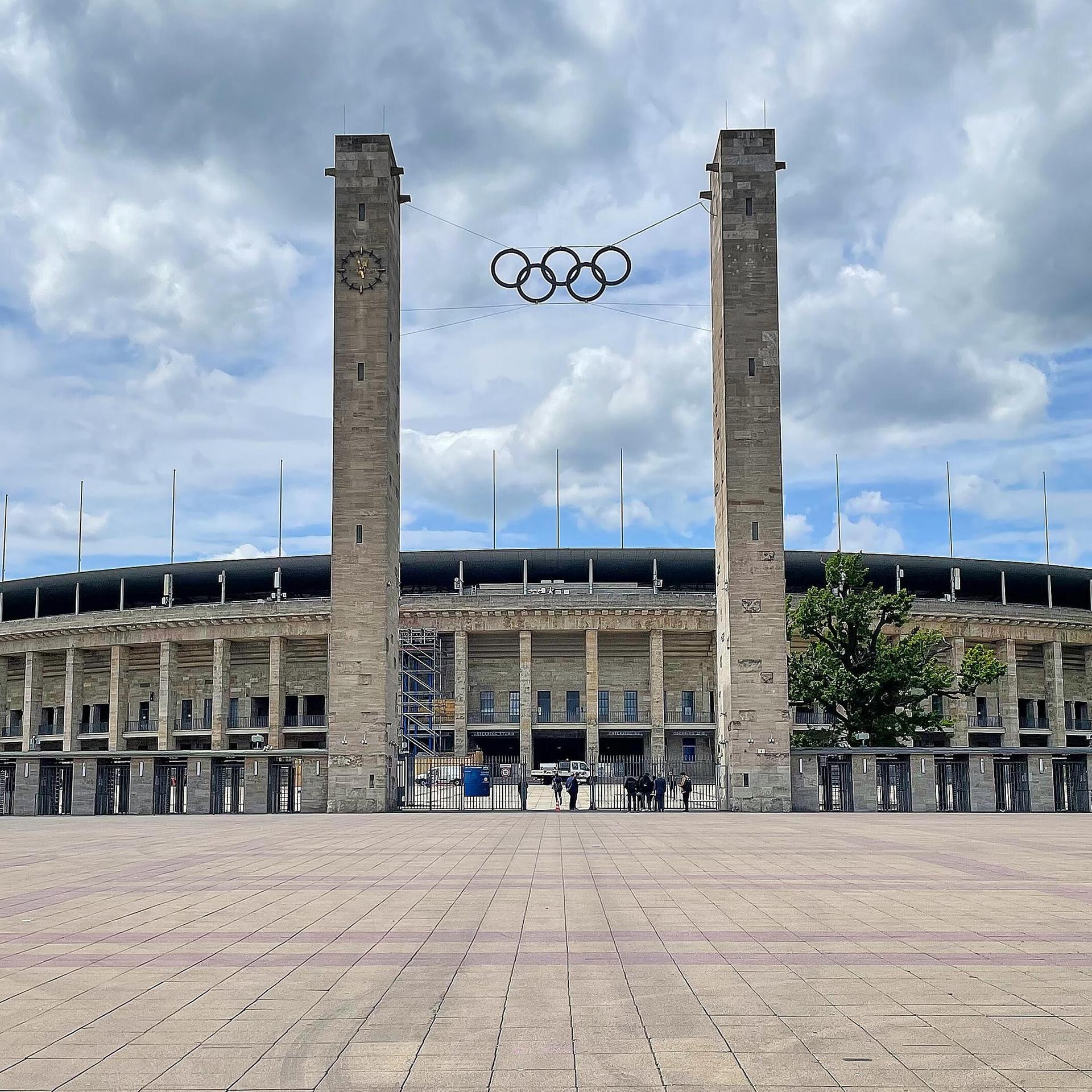
Berlin Withdraws 2036 Olympic Bid as Munich Chosen for Germany's Application
Berlin has officially stepped back from its attempt to host the 2036 Olympics, clearing the way for Munich to become Germany's candidate as the national selection process concludes.
8 sources · over 5 days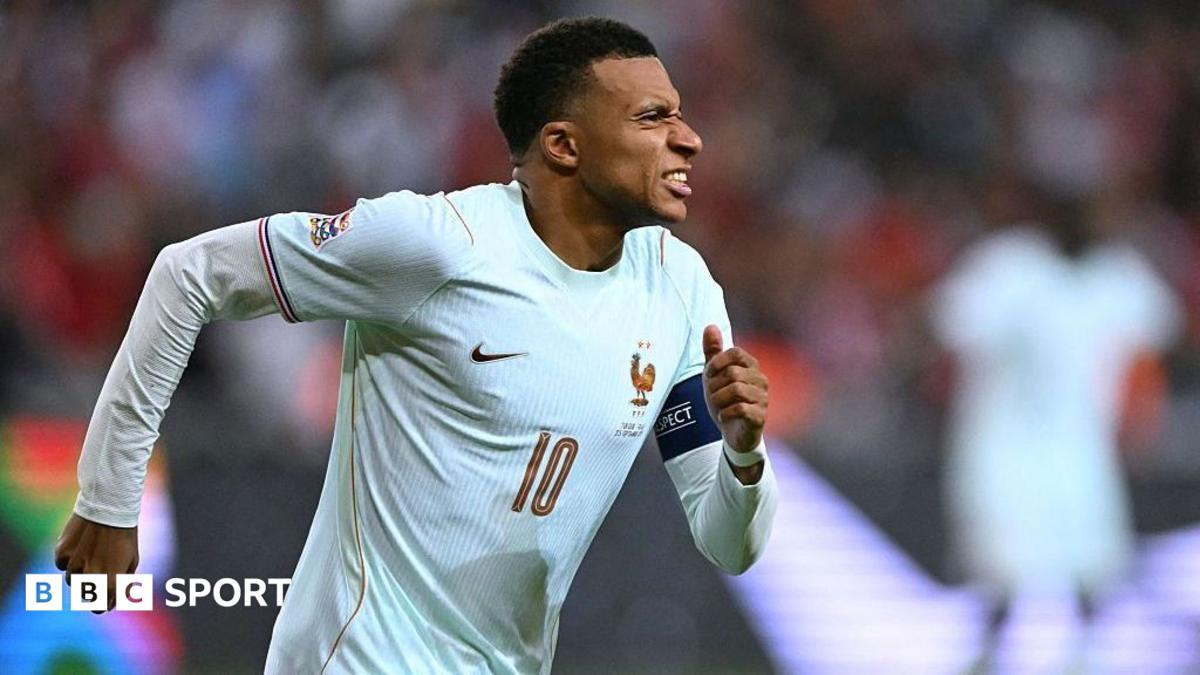
Mbappé Ruled Out of France's Next Matches After Injury in Zidane's Debut
Kylian Mbappé will miss upcoming Nations League fixtures after suffering a knee injury in France's win over Turkey.
16 sources · over 3 days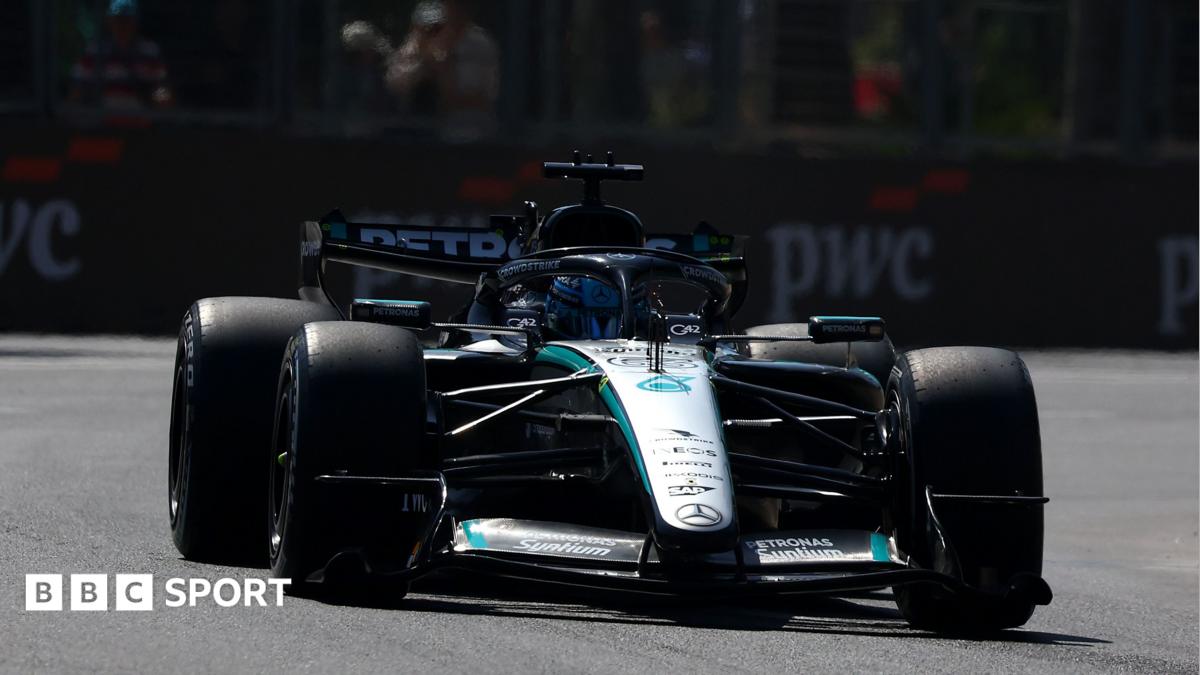
Russell Secures Baku Pole, Antonelli Faces Penalties After Crash
George Russell remains on pole for the Azerbaijan GP, while Kimi Antonelli may drop further after post-qualifying penalties.
25 sources · over 4 days