Israel Captures Strategic Ridge in Southern Lebanon and Destroys Hezbollah Tunnels
Israel's seizure of the Ali Al-Taher ridge and demolition of Hezbollah's underground infrastructure have shifted military and diplomatic dynamics on the Lebanese border, raising concerns over regional stability and ongoing negotiations.
By Kwame Mensah · First published 10 Sept 2026
In brief
- The Israeli military captured the Ali Al-Taher ridge in southern Lebanon, a key Hezbollah stronghold, in early September 2026.
- Israeli officials said they destroyed a network of Hezbollah tunnels under the ridge, some reportedly built with Iranian backing over two decades.
- Massive explosions during the operation triggered a 4.1-magnitude earthquake, felt in nearby Lebanese cities including Saida.
- Hezbollah's activity in the area has sharply decreased since the operation, and Lebanese authorities reported significant damage.
- The development complicates US-backed negotiations and has sparked debate about the future of Israeli presence in southern Lebanon.
Timeline · 6 moments
Israel captures Ali Al-Taher ridge in southern Lebanon
Al Jazeera ↗Israeli army calls ridge Hezbollah's last stronghold in the south
Arab News ↗Israel claims destruction of Hezbollah underground infrastructure
Arab News ↗Israeli demolition triggers 4.1-magnitude earthquake in southern Lebanon
Middle East Eye ↗Israel says tunnels built with Iranian support over twenty years
NDTV Top Stories ↗Explosions and shockwaves felt up to 40 kilometers from Beirut
Franceinfo ↗How it started
Tensions between Israel and Hezbollah have simmered for years along the southern Lebanese border, with both sides maintaining fortified positions. The Ali Al-Taher ridge became particularly contested, serving as a significant stronghold for Hezbollah's operations in the region.
In early September 2026, Israeli forces launched a focused military operation to seize control of the ridge. The move came amid ongoing cross-border skirmishes and a backdrop of international diplomatic efforts aimed at easing hostilities.
How it unfolded
On September 7, reports emerged that Israel had taken control of the Ali Al-Taher ridge in southern Lebanon, a strategic location long held by Hezbollah. This marked a major shift in the local balance of power.
By September 8, Israeli military sources described the ridge as Hezbollah's last significant stronghold in the area, noting a sharp decline in the group's activities nearby.
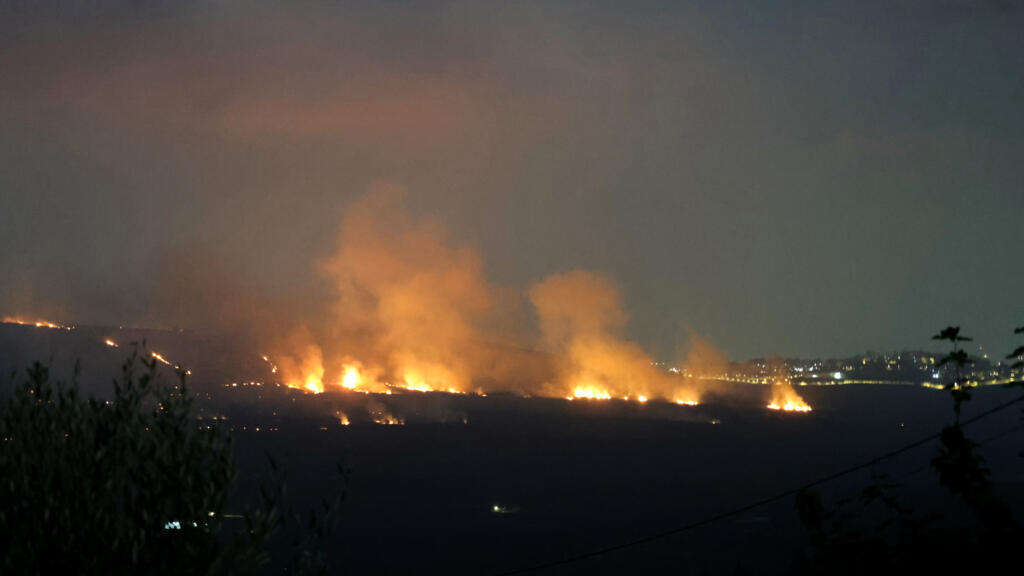
On September 10, Israeli leaders announced the destruction of Hezbollah's underground infrastructure at the ridge. The tunnels, reportedly built with Iranian support over twenty years, were targeted with powerful explosives. The resulting blasts caused a 4.1-magnitude tremor, which was recorded by the US Geological Survey and felt as far as Saida, some 40 kilometers from Beirut.
Remains of fighters were reportedly found in the destroyed tunnels. Lebanese authorities and local media described the explosions as massive, with significant shockwaves impacting the surrounding region.
The operation has drawn international attention, as it occurred during US-backed negotiations over security arrangements along the Lebanese-Israeli border.
Where it stands
Israel now claims operational control over the Ali Al-Taher ridge, having demolished what it says was Hezbollah's key underground infrastructure. Hezbollah's presence and activity in the immediate area have been significantly reduced.
The destruction of the tunnels and the visible show of force have complicated ongoing diplomatic talks. Lebanese officials and analysts are questioning Israel's intentions and raising concerns about the implications for Lebanon's sovereignty and border stability.
What to watch
Attention is now focused on whether Israel will maintain its new positions or face international pressure to withdraw. The fate of US-backed negotiations and the potential for renewed Hezbollah activity remain open questions. Regional stability could hinge on how both sides and their allies respond in the coming weeks.
More in World
All →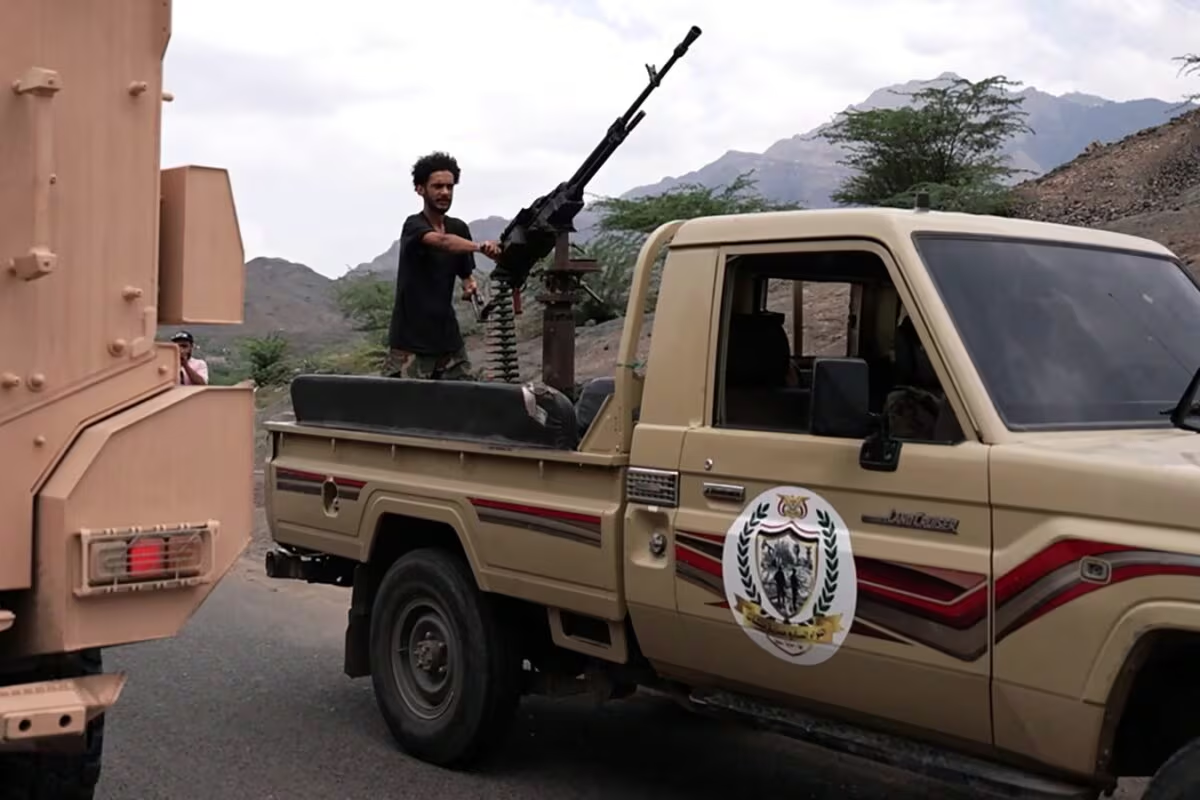
Houthis Seize Yemen's Mocha Port, Shifting Power Near Red Sea Strait
The Houthi takeover of Mocha port puts a key Red Sea chokepoint under Iran-backed control, raising stakes for regional security and global trade.
9 sources · today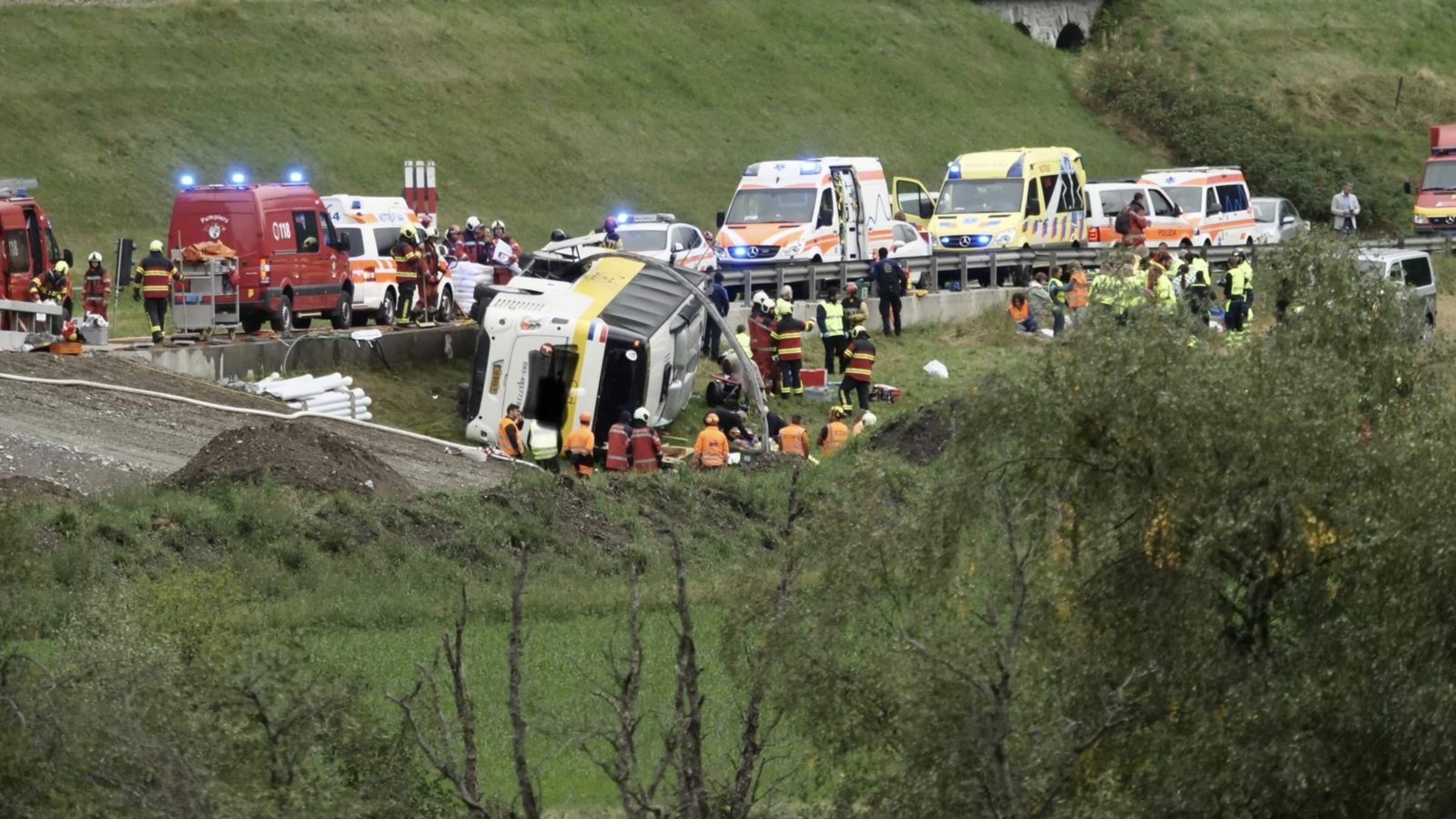
Several Dead After Dutch Tourist Coach Overturns in Eastern Switzerland
A Dutch tour bus carrying 48 people crashed and overturned between Susch and Zernez in eastern Switzerland, causing multiple deaths and injuries and triggering a major emergency response.
9 sources · today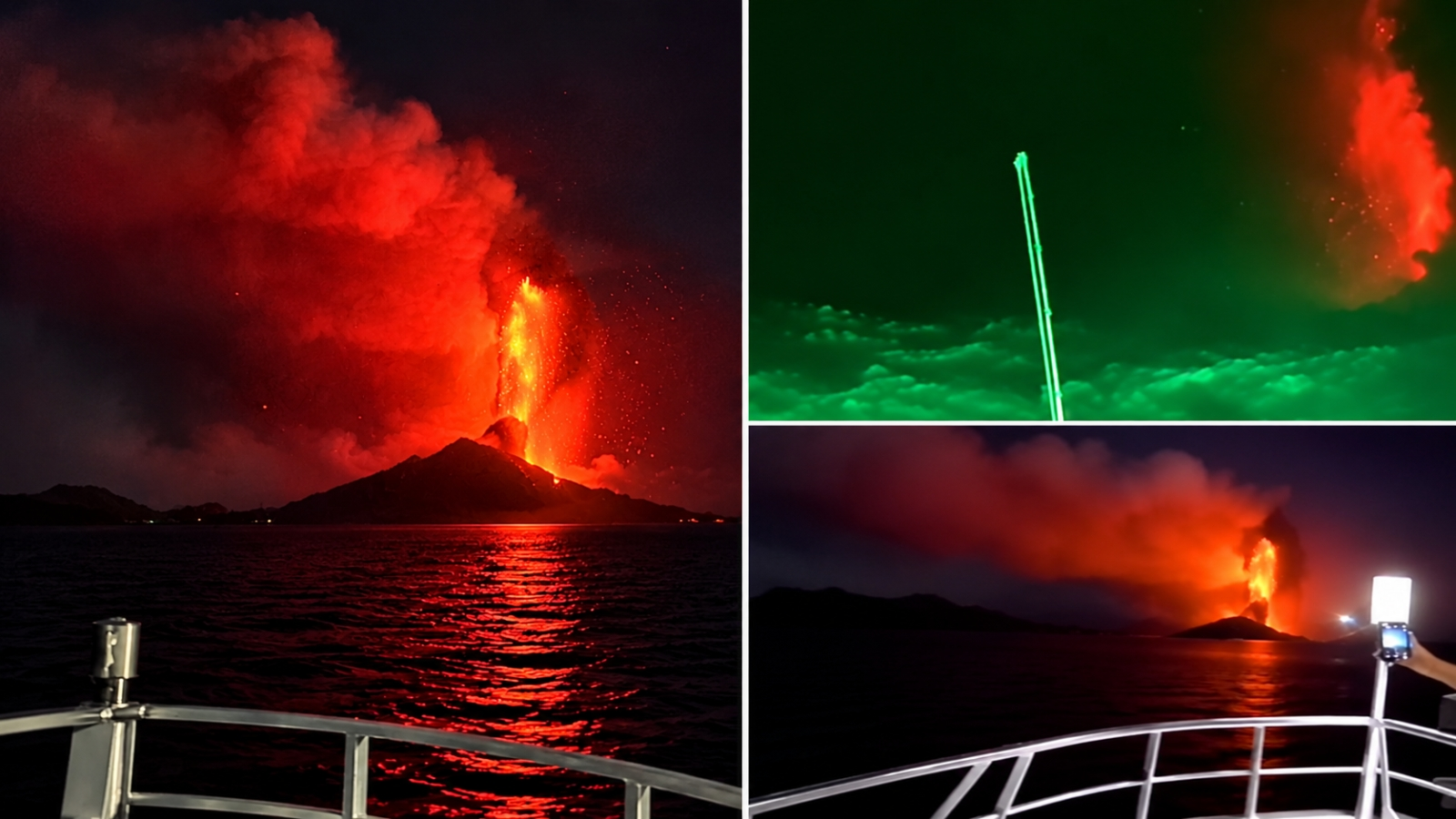
Indonesia Volcano Eruption Strands Over 300,000, Airports Reopen Gradually
Airports in Indonesia are reopening after Anak Krakatau's eruption stranded more than 300,000 passengers and triggered a search for missing journalists.
47 sources · over 6 days