Israeli Documentary 'NAZA' Exposes Military AI and Gaza Civilian Killings
The Israeli film 'NAZA' has sparked international debate by revealing alleged military use of AI in Gaza and has led to threats against its creators from Israeli officials following its acclaimed Venice premiere.
By Nadia Hussain · First published 14 Sept 2026
In brief
- The documentary 'NAZA' features testimonies from 24 Israeli military insiders about AI-driven operations resulting in mass civilian deaths in Gaza.
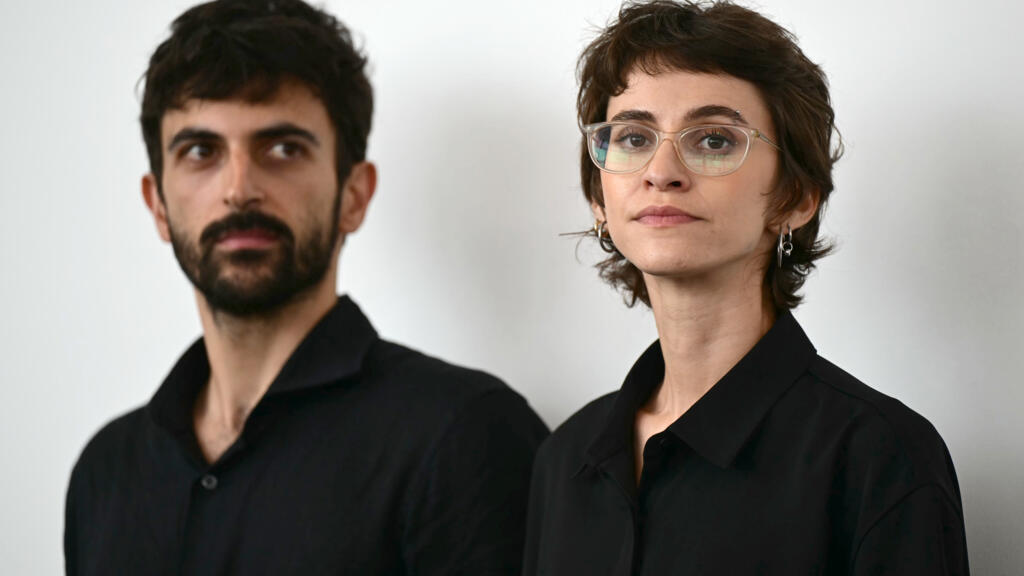
- Yuval Abraham and Rachel Szor directed the film, which premiered at the Venice Film Festival to a record-setting 25-minute standing ovation.
- The film received a Special Jury Prize at Venice, drawing widespread attention and praise from international audiences and critics.
- Israeli government officials, including the culture minister, have called for the filmmakers to be stripped of their citizenship, accusing them of treason.
- The Israeli military has publicly dismissed the documentary's claims, but the controversy continues as the film gains global attention.
Timeline · 6 moments
'NAZA' premieres at Venice Film Festival, reveals military AI use in Gaza
The Guardian ↗Film receives record-breaking 25-minute standing ovation at Venice
© Stefano Rellandini, AFP ↗Israeli military dismisses documentary's claims of AI-driven civilian killings
Arab News ↗'NAZA' wins Special Jury Prize at Venice Film Festival
Arab News ↗Israeli culture minister threatens to revoke filmmakers' citizenship
Arab News ↗Debate grows as filmmakers face accusations of treason in Israel
Le Monde ↗How it started
The origins of 'NAZA' lie in the testimonies of 24 Israeli military insiders who participated in operations in Gaza. Directors Yuval Abraham and Rachel Szor, both Israelis, gathered these accounts anonymously to protect their sources and themselves. Their goal was to shed light on the use of artificial intelligence in Israeli military targeting, particularly how it led to the deaths of Palestinian civilians after the October 7 attacks.
The filmmakers have spoken openly about their sense of complicity as Israelis and the unique position this gave them to reveal details that might otherwise remain hidden. Their approach sought to challenge official narratives and provoke a deeper reckoning within Israeli society.
How it unfolded
On September 10, 2026, 'NAZA' premiered at the Venice Film Festival. The film immediately drew attention for its raw content and the gravity of the testimonies presented. Audience members responded with a record-breaking 25-minute standing ovation, the longest in the festival's history.
International media quickly picked up the story, highlighting the film's revelations about AI-assisted military operations and intentional civilian targeting. The documentary was praised for its investigative work and emotional impact, and it was awarded a Special Jury Prize at Venice.
However, the film's release also triggered fierce backlash in Israel. On September 13, Israeli Culture Minister Miki Zohar publicly called for the filmmakers to be stripped of their citizenship, labeling them traitors. Other members of the Israeli government echoed these sentiments, intensifying the controversy.
Meanwhile, the Israeli military officially rejected the claims made in the documentary, dismissing the testimonies of the whistleblowers. The filmmakers, however, have stood by their work, emphasizing the importance of accountability and truth.
Where it stands
As of mid-September 2026, 'NAZA' remains at the center of a heated debate. The film has won international acclaim and an award, but its directors face threats of citizenship revocation in Israel. The controversy has underscored deep divisions over how the Gaza conflict is remembered and discussed, both within Israel and abroad.
The filmmakers continue to defend their documentary, while the Israeli government maintains its criticism and the military denies the film's allegations. Global interest in the story appears to be growing, with further screenings and discussions expected.
What to watch
The next steps are uncertain. It remains to be seen whether Israeli officials will follow through on threats to revoke the filmmakers' citizenship. The ongoing public and international response could influence how the film is received in Israel and whether it prompts further investigations into the claims it presents.
More in Entertainment
All →
Practical Magic 2 Divides Critics With Mixed Early Reviews and Star Power
Sandra Bullock and Nicole Kidman return for Practical Magic 2, but early reviews reveal a split among critics over its script, humor, and ability to recapture the original's appeal.
15 sources · over 6 days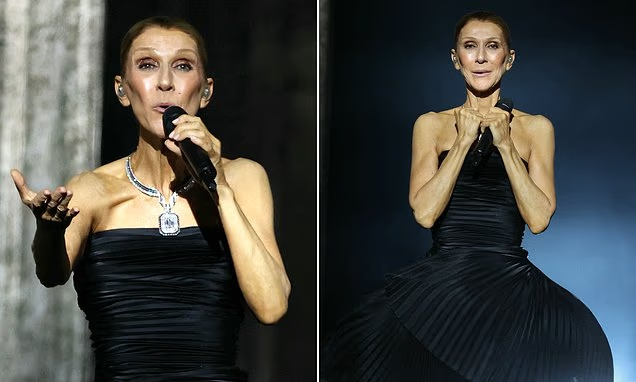
Céline Dion Returns to Paris Stage With Major Concert Residency After Six-Year Hiatus
Céline Dion has launched a sold-out concert residency in Paris, marking her first performances since her diagnosis with stiff-person syndrome and generating huge excitement among fans and the French entertainment world.
25 sources · over 5 days
May el-Toukhy's 'Woman Unknown' Wins Top Prize at Venice Film Festival 2026
May el-Toukhy has made history at the 2026 Venice Film Festival, where her film 'Woman Unknown' won the Golden Lion as the only female-directed entry in competition.
15 sources · today