Italy Caps Fuel Prices as Eni, Q8, IP, and Tamoil Join, Sparking Surge at Pumps
Italy's government and major fuel companies have imposed a temporary price cap on petrol and diesel, triggering high demand and raising questions about long-term supply and future government intervention.
By Hushread Stories, written with AI from 8 outlets · First published 2 Oct 2026
In brief
- Italy introduced a cap on fuel prices, with Eni setting diesel at €2.19 and unleaded petrol at €1.99 per litre.
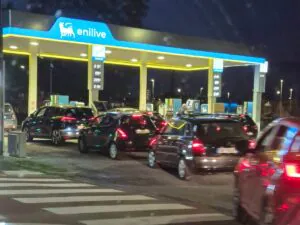
- The move led to long queues and many petrol stations selling out of fuel within hours of the cap taking effect.
- Major companies including IP, Q8, and Tamoil have now joined Eni in applying similar price limits at thousands of stations.
- The government has ruled out additional financial support, insisting the price cap is the primary intervention for now.
- The current price caps are set to last until at least October 31, 2026, with ongoing company-by-company adjustments.
Timeline · 6 moments
Eni introduces price cap on petrol and diesel
ANSA.it ↗Petrol stations sell out after cap triggers surge in demand
The Local ↗Government rules out further aid beyond price cap
La Repubblica ↗Q8 joins Eni and IP in applying a fuel price cap
TGcom24 ↗Average pump prices fall after caps take effect
ANSA.it ↗Tamoil announces measures to contain fuel prices until October 31
La Repubblica ↗How it started
Italy's fuel prices had been rising steadily for months, putting pressure on households and businesses. Public frustration grew as petrol and diesel prices reached levels not seen in years. In response, the Italian government began discussions with major fuel retailers to find a solution that would provide immediate relief to consumers. Eni, one of Italy's largest fuel providers, was first to announce a fixed cap on prices, setting diesel at €2.19 and unleaded petrol at €1.99 per litre according to ANSA.it.
How it unfolded
On September 28, 2026, the new price cap took effect at Eni stations. Demand surged, and some petrol stations sold out of fuel within hours on the first day, reflecting pent-up demand and public eagerness to take advantage of lower prices, as reported by The Local.
Soon after, IP matched Eni's price cap, and queues formed at stations across major cities like Milan. The government emphasized that the cap would be the primary measure and rejected calls for further financial aid, citing budget constraints and the need to keep the national deficit below three percent, according to La Repubblica.
By September 29, Q8 also agreed to apply a price cap for 30 days, joining Eni and IP. This extension brought the number of stations with capped prices to nearly 10,000, about half of Italy's total, and initial data showed average pump prices starting to fall, as noted by TGcom24 and ANSA.it.
In early October, Tamoil announced it would also implement price-containment measures until October 31, after discussions with the Italian government and Libyan authorities, further expanding the reach of the cap according to La Repubblica and TGcom24.
Where it stands
As of early October 2026, four major fuel companies, Eni, IP, Q8, and Tamoil, have all adopted some form of price cap or discount at their petrol stations. Around 11,500 stations, or roughly half of all stations in Italy, are now participating. The government has reiterated it will not provide additional aid beyond these caps, focusing on keeping fiscal targets in check. Prices at the pump have started to decline, but the situation remains dynamic, with adjustments still being made by the companies involved.
What to watch
The price caps are officially set to remain in place until at least October 31, 2026, but there are open questions about what happens after that date. Consumers and businesses will be watching whether the government or fuel companies choose to extend or modify these measures, especially if global oil prices remain high or supply disruptions persist.
More in Business
All →
US Treasury Yields Hit 24-Year High as Global Bond Sell-Off Deepens
US Treasury yields soared to their highest since 2002, driving up borrowing costs worldwide and sparking concerns about inflation, government debt, and the impact on mortgages and financial markets.
15 sources · over 2 days
Micron Achieves Record Revenue as AI Drives Unprecedented Demand for Memory Chips
Micron Technology's soaring revenue and profits highlight how artificial intelligence is reshaping the global memory chip market and causing supply concerns that could affect data centers and device makers for years.
15 sources · over 3 days
Paramount-Warner Bros. Discovery Merger Set to Close October 4
Paramount will complete its acquisition of Warner Bros. Discovery on October 4 after final court and regulatory approvals.
17 sources · over 3 days