Japan's Inflation Slows as Bank of Japan Raises Interest Rates to 31-Year High
Japan's inflation rate slowed in August, prompting the central bank to hike interest rates to their highest level since 1995, signaling a shift in monetary policy.
By Grace Whitfield · First published 18 Sept 2026
In brief
- Japan's central bank raised its benchmark interest rate to 1.25 percent, the highest level since 1995.
- The rate hike comes after Japan's inflation rate slowed to 1.7 percent in August from 1.8 percent in July.
- The decision reflects the central bank's efforts to address persistent inflation and wage pressures.
- The interest rate increase was approved by a 7-2 vote, highlighting internal disagreement among policymakers.
- Analysts expect the Bank of Japan may consider further rate hikes if inflationary trends continue.
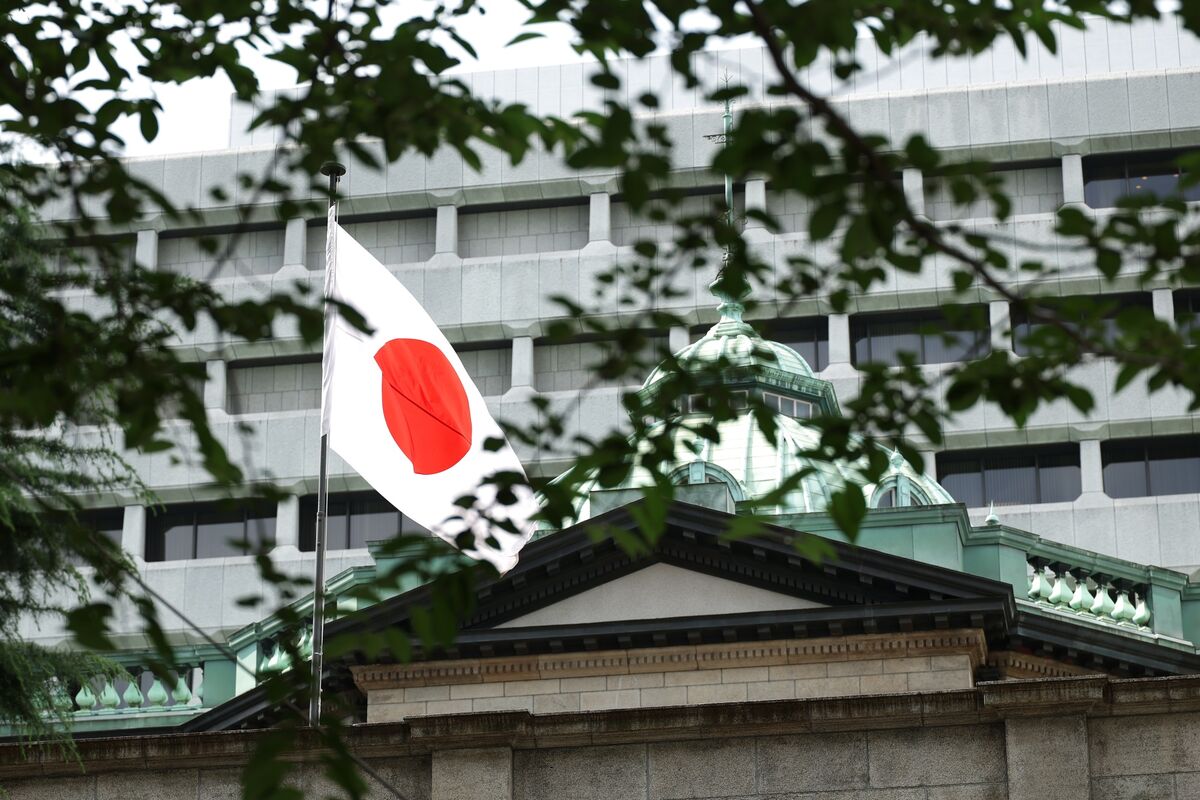
Timeline · 4 moments
Japan's inflation slows for first time in four months
Bloomberg Economics ↗Bank of Japan raises interest rates to 1.25 percent
Financial Times ↗BOJ rate hike passes with 7-2 board split
CNBC International ↗BOJ signals possible further rate hikes soon
Japan Times ↗Update 18 Sept 2026, 7:49 am UTC
The Bank of Japan has raised its key interest rate to 1.25 percent, matching recent moves by the US Federal Reserve and marking the fastest pace of rate hikes in 36 years. The decision followed a slight slowdown in inflation and was passed with notable dissent among board members.
How it started
Japan has faced steady inflation pressures throughout 2026, with prices rising faster than the central bank's recent targets. For several months, the Bank of Japan (BOJ) signaled that it was watching inflation data closely, as households and businesses struggled with higher costs.
By August, government subsidies helped slow the pace of consumer price increases, but inflation still remained above historical norms. This set the stage for a closely watched policy decision by the BOJ, with markets anticipating a possible rate hike.
How it unfolded
On September 17, new government data showed that Japan's consumer price index rose 1.7 percent in August compared to the previous year, down slightly from July's 1.8 percent. This was the first time in four months that inflation had slowed, attributed in part to ongoing government subsidies, but core inflation remained near the BOJ's target.
The following day, the Bank of Japan held its policy meeting. The central bank announced it would raise its benchmark interest rate by 0.25 percentage points to 1.25 percent. This was the fastest pace of rate hikes by the BOJ since 1990 and brought rates to their highest level in 31 years.
The decision was not unanimous. Out of the nine board members, two voted against the hike, highlighting some internal disagreement about the pace and timing of tightening. The BOJ cited persistent inflation and wage increases as key reasons behind its move.
Financial markets reacted quickly, with the yen and Japanese bonds moving in response to the news. The rate hike also signaled a shift toward a more neutral stance from the BOJ, which had maintained ultra-low rates for decades.
Where it stands
Japan's benchmark interest rate now sits at 1.25 percent, a level not seen since 1995. Inflation remains above the BOJ's historical average, but the pace of increase has slowed slightly.
The central bank's decision has drawn close attention from investors and analysts, who are now watching for signs of further tightening or additional policy changes as Japan adjusts to persistent price and wage pressures.
What to watch
Markets and economists are focused on whether the Bank of Japan will raise rates again in the coming months. The central bank's next moves will depend on how inflation and wage trends develop, and how global economic conditions affect Japan's recovery.
More in Business
All →
Warren Buffett Steps Down as Berkshire Hathaway Chairman, Son Howard Succeeds Him
Warren Buffett, aged 96, is stepping down as chairman of Berkshire Hathaway, ending an era at the $1 trillion conglomerate and marking a major leadership transition.
11 sources · today
Putin Orders Nestlé's Russian Assets Into State Control Amid Growing Tensions
Russian authorities have placed Nestlé's Russian operations under state management, escalating uncertainty for foreign companies as Nestlé considers possible legal and strategic responses to protect its interests.
8 sources · today
Clearlake Capital Now Owns 86.5% of Chelsea, Boehly Exits as Chairman
Clearlake Capital has increased its stake in Chelsea FC to 86.5 percent, with Todd Boehly stepping down as chairman.
15 sources · today