Lindsay Clancy Murder Trial Ends in Mistrial Amid Holdout Juror Controversy
After weeks of deliberation, a single juror's refusal to acquit Lindsay Clancy led to a mistrial, raising new questions about the jury process and the case's future.
By Isabel Navarro · First published 17 Sept 2026
In brief
- Lindsay Clancy was tried for killing her three children in Massachusetts, but the trial ended in a mistrial after an 11-1 jury split.
- Most jurors supported acquittal by reason of insanity, while one holdout juror insisted on a guilty verdict and would not compromise.
- The holdout juror's personal history and conduct during deliberations have come under intense public and media scrutiny.
- Clancy's defense is now urging the judge to find her not guilty and prevent a second trial from taking place.
- The possibility of a retrial remains uncertain, as prosecutors have not yet announced whether they will pursue the case again.
Timeline · 8 moments
Lindsay Clancy's trial ends in mistrial after 11-1 jury split
ABC Top Stories ↗Defense asks judge to find Clancy not guilty after mistrial
CBC Top Stories ↗Jurors reveal details about holdout's conduct during deliberations
Daily Mail ↗Media reports holdout juror's past domestic violence allegations
New York Post ↗Fundraiser for holdout juror raises nearly $85,000
New York Post ↗Records confirm holdout juror's 2021 domestic violence charge was dismissed
CBS Top Stories ↗Holdout juror's family denies religion influenced his decision
Daily Mail ↗Public scrutiny of jury process complicates future trials
The New York Times ↗How it started
Lindsay Clancy, a former labor and delivery nurse, was charged with murdering her three young children at her home in Massachusetts in 2023. The case drew national attention due to the nature of the crime and questions about Clancy's mental health at the time.
Her defense argued that she should be found not guilty by reason of insanity, claiming her severe mental illness meant she could not understand her actions were wrong. Prosecutors challenged this, asserting she was aware and responsible for her actions according to CBC Top Stories.
The trial began in 2026, with both sides presenting evidence about Clancy's mental state and the circumstances leading to the deaths of her children.
How it unfolded
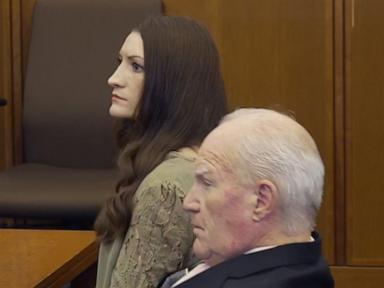
On September 10, 2026, after seven days of deliberation, the jury announced they could not reach a unanimous verdict. Eleven jurors supported acquittal by reason of insanity, but one juror held out for a guilty verdict, resulting in a mistrial according to ABC Top Stories.
In the days that followed, jurors began speaking to the media. One juror described how the holdout juror focused on the physical evidence, including the amount of blood found, and refused to explain his reasoning to the group. This created frustration and tension within the jury room, as reported by Daily Mail and CBS Top Stories.
The identity and background of the holdout juror quickly became a subject of public debate. Media outlets revealed that the man had previously faced allegations of domestic violence, with a restraining order issued in 2021, although the charge was later dismissed according to CBS Top Stories and New York Post. His family later clarified that religion did not play a role in his decision.
The intense scrutiny led to a fundraiser for the holdout juror, raising tens of thousands of dollars to cover legal fees, security, and lost wages due to the fallout from his participation in the trial, as New York Post reported.
Amid all this, Clancy's attorney formally asked the judge to issue a not guilty finding and avoid a second trial, arguing that the prosecution failed to prove she was criminally responsible.
Where it stands
The case remains unresolved after the mistrial. The judge has not yet decided on the defense request to acquit Lindsay Clancy. Prosecutors have not announced if they plan to retry the case or drop the charges.
Meanwhile, debate continues over the role and privacy of jurors in high-profile cases, as well as the potential impact of this scrutiny on future jury selections, according to The New York Times.
What to watch
The most pressing question is whether the judge will grant the defense's motion to acquit Clancy or order a new trial. Prosecutors' next steps will determine if the case will return to court or finally come to a close. The broader conversation about juror privacy and the fairness of the process remains ongoing.
More in World
All →
Chinese Coast Guard Vessel Rams Philippine Boat in Disputed South China Sea
A collision between a Chinese Coast Guard ship and a Philippine fisheries vessel has heightened tensions in the South China Sea, with Manila accusing Beijing of deliberate aggression.
8 sources · today
Texas Air National Guard F-16 Crashes in Michigan During Training Exercise
An F-16 fighter jet from Texas crashed and exploded in rural Michigan during a National Guard training exercise, prompting emergency response and a temporary shelter-in-place order for the local community.
17 sources · today
Shooting at Banga National High School in South Cotabato Leaves Multiple Casualties
A deadly shooting at a high school in the southern Philippines has left at least one person dead and several others injured, prompting urgent investigation and concern over school safety.
8 sources · today