Lula Bans Online Betting in Brazil Days Before Presidential Election
Brazil's president has abruptly banned online sports betting and casinos just before the election, sparking debate over economic, social, and political impacts as the industry shuts down.
By Grace Whitfield · First published 28 Sept 2026
In brief
- President Lula signed a decree banning online betting and digital casinos in Brazil with immediate effect ahead of the election.
- The government halted new deposits on betting platforms and gave operators a short window to close operations and notify users.
- Officials argue the ban addresses rising household debt and social issues linked to widespread gambling, which had surged in popularity.
- The betting industry, local football clubs, and political opponents have criticized the move, warning of job losses and legal disputes.
- Bettors are being told how to withdraw remaining balances, but legal challenges and broader economic consequences are expected.
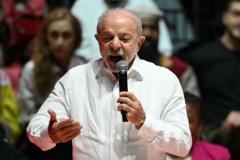
Timeline · 7 moments
Lula blames online gambling for household debt at campaign rallies
Bloomberg ↗Lula announces immediate ban on online betting in Brazil
BBC Brasil ↗Finance minister confirms halt on new deposits to betting sites
Política - Últimas notícias | InfoMoney ↗Ban extends to fixed-odds sports betting and digital casinos
Financial Times ↗Government sets timeline for platform shutdown and user withdrawals
TGcom24 ↗Political opponents accuse Lula of election opportunism
CNN Brasil ↗Government will not indemnify betting companies for lost licenses
Política - Últimas notícias | InfoMoney ↗How it started
Online betting exploded in Brazil over recent years, especially around sports and digital casinos. The rapid growth brought in significant sponsorships for local football clubs and attracted millions of users. However, concerns mounted about gambling's impact on household finances and the economy, with critics warning of rising debt and social problems.
President Luiz Inácio Lula da Silva began to target online betting in his campaign speeches, blaming it for draining family budgets and hurting consumer spending. As the presidential election approached, the issue became a political flashpoint, dividing opinion among voters, politicians, and industry figures.
How it unfolded
On September 25, 2026, Lula publicly announced an immediate ban on online betting in Brazil, just days before the first round of the presidential election. The measure was presented as a response to what Lula called a 'disease' affecting families, with the government citing the need to protect the economy and public health.
Finance Minister Dario Durigan joined Lula in the announcement, confirming that no new deposits would be allowed on betting sites from that day forward. The government issued a provisional measure that not only stopped deposits but also set a timeline for platforms to shut down and for users to withdraw their funds.
The ban covers fixed-odds sports betting and digital casinos, which had become major sponsors of Brazilian football. The immediate effect was felt across the industry, with clubs and betting companies scrambling to respond. Political opponents, including São Paulo's governor and rival presidential candidates, accused Lula of election opportunism.
International and local media highlighted both the political timing and the economic stakes, noting that the move could cost jobs and sponsorships. The government stated it would not compensate betting firms for early termination of their licenses. Meanwhile, the administration is also pushing for new laws to criminalize certain betting activities.
Where it stands
As of now, online betting in Brazil is banned, with deposits blocked and platforms ordered to wind down operations within days. Bettors have a limited time to withdraw their balances before sites close. The government faces criticism from industry groups and political rivals, as well as the prospect of legal challenges.
Football clubs and other stakeholders are assessing the financial fallout. The broader effects on jobs, sponsorships, and the economy remain uncertain as the election approaches.
What to watch
Legal disputes are likely as betting companies and affected partners challenge the ban in court. The government's next steps, including enforcement and any further regulation, will be closely watched. The outcome of the presidential election may also influence how the ban is implemented or adjusted.
More in Business
All →
Nvidia Announces Historic $150 Billion Share Buyback Amid AI Growth Surge
Nvidia has expanded its share repurchase program by $150 billion, reflecting confidence in its future as AI-driven revenues continue to boost the chipmaker's cash reserves.
8 sources · today
US and China Reveal Product Lists for $30 Billion Tariff Reduction Deal
The US and China have agreed to reduce tariffs on billions in goods, signaling progress in trade talks after a major summit between their leaders.
9 sources · today
India Sets New UPI Merchant Charges, Small Retailers Plan Protests
India's decision to introduce a 0.4 percent merchant fee for large UPI transactions has sparked debate over its impact on small businesses and digital payments, with protests and legal challenges emerging.
8 sources · over 7 days