Macron Blasts Global Response to Gaza at UN, Sparks Israeli Rebuke
French President Emmanuel Macron's sharp criticism of international inaction in Gaza at the UN General Assembly has triggered diplomatic friction with Israel and renewed debate over humanitarian access.
By Fatima Al-Rashid · First published 23 Sept 2026
In brief
- French President Emmanuel Macron condemned the lack of effective international action on Gaza during his address at the UN General Assembly.
- Macron called the humanitarian situation in Gaza a spectacle that should shame the world and rejected claims of peace progress.
- He specifically criticized former U.S. President Donald Trump's assertions about reopening humanitarian corridors in Gaza.
- Israel responded harshly, denouncing Macron's remarks as a grotesque absurdity and disputing his statements about the West Bank.
- The episode has heightened diplomatic tensions over the conflict and left questions about next steps for humanitarian relief.
Timeline · 6 moments
Macron and Trump hold talks ahead of UN Assembly
France24 ↗Macron condemns Gaza situation in UN General Assembly speech
Top World News- News18.com ↗Macron rejects Trump's claims on Gaza peace and humanitarian corridors
India Today ↗Israel denounces Macron's speech as grotesque absurdity
Middle East Eye ↗Netanyahu criticizes Macron's West Bank remarks at UN
BBC - Home ↗International attention returns to humanitarian access in Gaza
France 24 - Middle East ↗How it started
French President Emmanuel Macron arrived in New York for the annual UN General Assembly amid rising concern over the humanitarian crisis in Gaza. In the lead-up to the main session, Macron met with former U.S. President Donald Trump and described their talks as constructive, focusing on Middle East conflicts and Ukraine, according to France24.
The situation in Gaza had already drawn international criticism, but expectations grew ahead of Macron's speech. Both the ongoing violence in Gaza and the status of humanitarian corridors were major points of discussion among world leaders.
How it unfolded
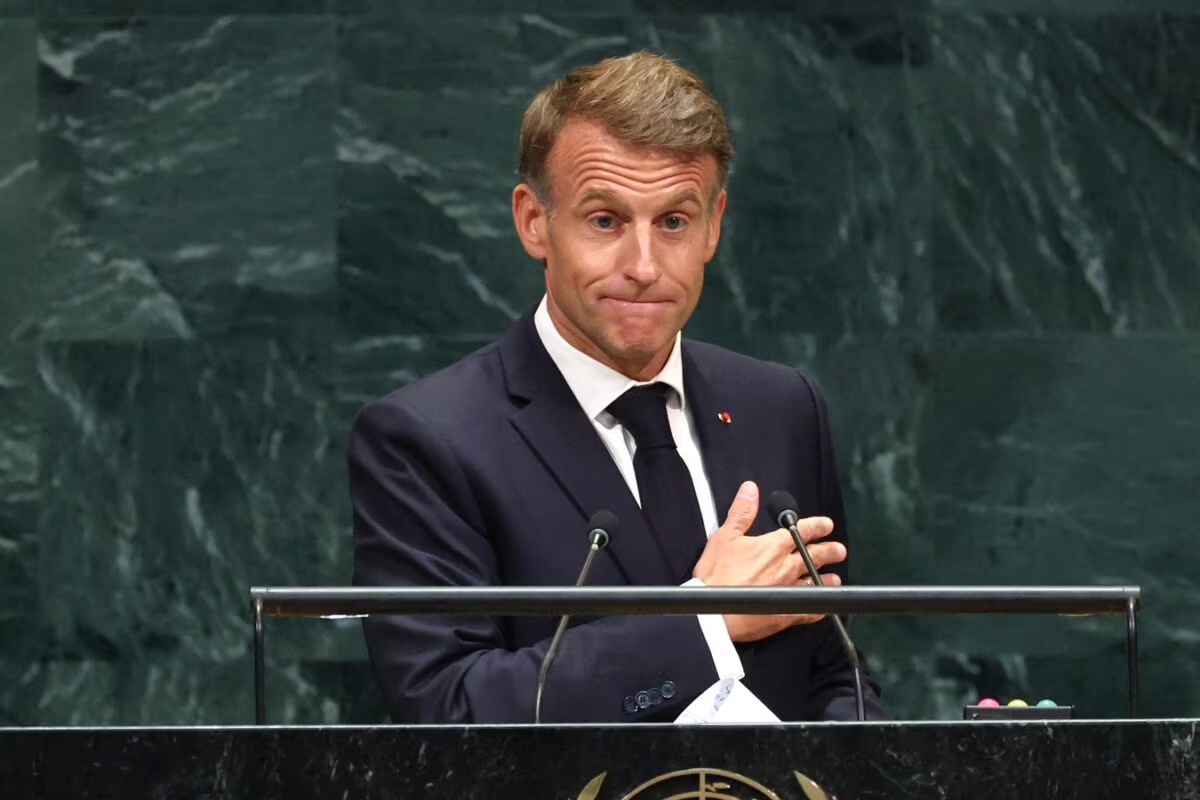
On September 22, Macron addressed the UN General Assembly. He described the situation in Gaza as a 'spectacle that shames us all' and criticized the gap between diplomatic statements and actual conditions on the ground, as reported by News18.com.
Macron also took direct aim at Donald Trump's previous claims regarding peace efforts and humanitarian corridors in Gaza, stating that no such corridors had been reopened, according to India Today. He called for renewed international commitment to humanitarian access and respect for international law.
Israel reacted strongly to Macron's remarks. Israeli officials, including Prime Minister Benjamin Netanyahu, denounced the speech as a grotesque absurdity, particularly objecting to Macron's comments on Israeli actions in the West Bank, as noted by the BBC. Macron asserted that Hamas was not active in the West Bank, which prompted further criticism from Israeli leaders.
The diplomatic exchange quickly became heated. Israeli statements insisted that Macron's portrayal of the situation was inaccurate and unfair, while French officials stood by the president's remarks.
Where it stands
The fallout from Macron's UN speech continues to reverberate. Tensions between France and Israel have escalated, with both sides defending their positions. Macron remains firm in his criticism of the lack of humanitarian progress in Gaza and the West Bank, and Israel maintains that his comments misrepresent the reality on the ground.
The broader international community is once again focused on humanitarian access to Gaza, but there has been no concrete breakthrough on opening corridors or easing conditions for civilians. The issue remains deeply contentious in diplomatic circles.
What to watch
Attention will now turn to whether France or other international actors attempt to push for new humanitarian initiatives in Gaza. It is also unclear if this diplomatic spat will affect broader international efforts to address the Israeli-Palestinian conflict or the role of the UN in mediating future talks.
More in World
All →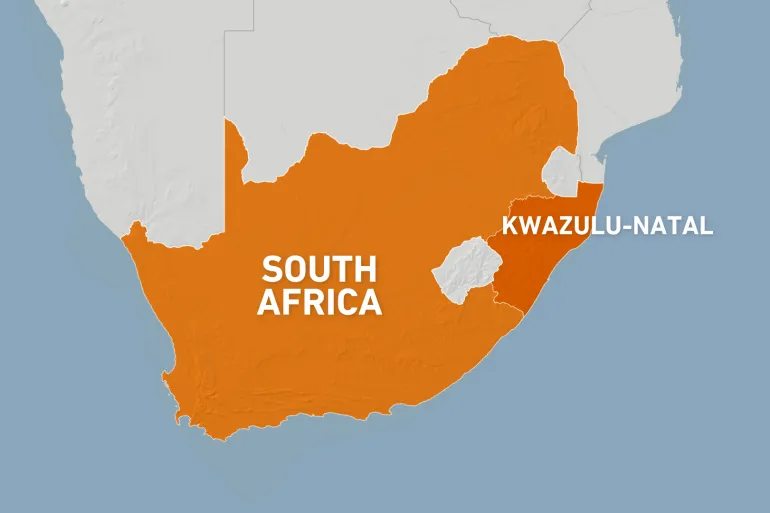
At Least 11 Killed in Mass Shooting at Durban House Party
A gun attack at a house party in Durban has left 11 people dead, including a pregnant woman, as police investigate the motive and hunt for suspects.
18 sources · today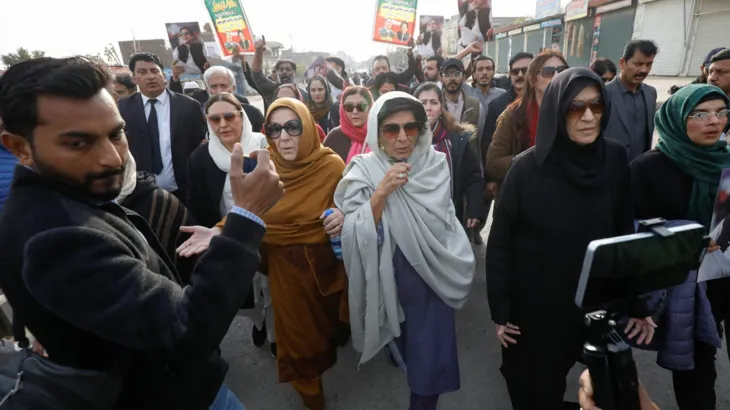
Imran Khan's Three Sisters Arrested in Lahore Ahead of Major PTI Protest
Pakistani authorities have detained three sisters of jailed ex-Prime Minister Imran Khan, escalating tensions before a planned PTI protest march demanding his release on September 27.
15 sources · over 4 days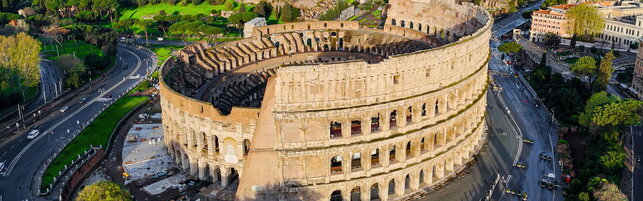
22-Year-Old Worker Dies After 10-Meter Fall at Rome's Colosseum
A young specialist worker died during night renovations at the Colosseum, prompting investigations and partial closures at one of Italy's most iconic landmarks.
14 sources · today