Maharashtra FDA Uncovers Extreme Markups on Medical Devices, Seeks Price Caps
After discovering IV sets bought for Rs 11 billed at Rs 325, Maharashtra's FDA is urging national intervention to regulate medical device prices and protect patients from excessive costs.
By Fatima Al-Rashid · First published 18 Sept 2026
In brief
- Maharashtra FDA Commissioner Tukaram Mundhe exposed massive price markups on medical devices in private hospitals across the state.
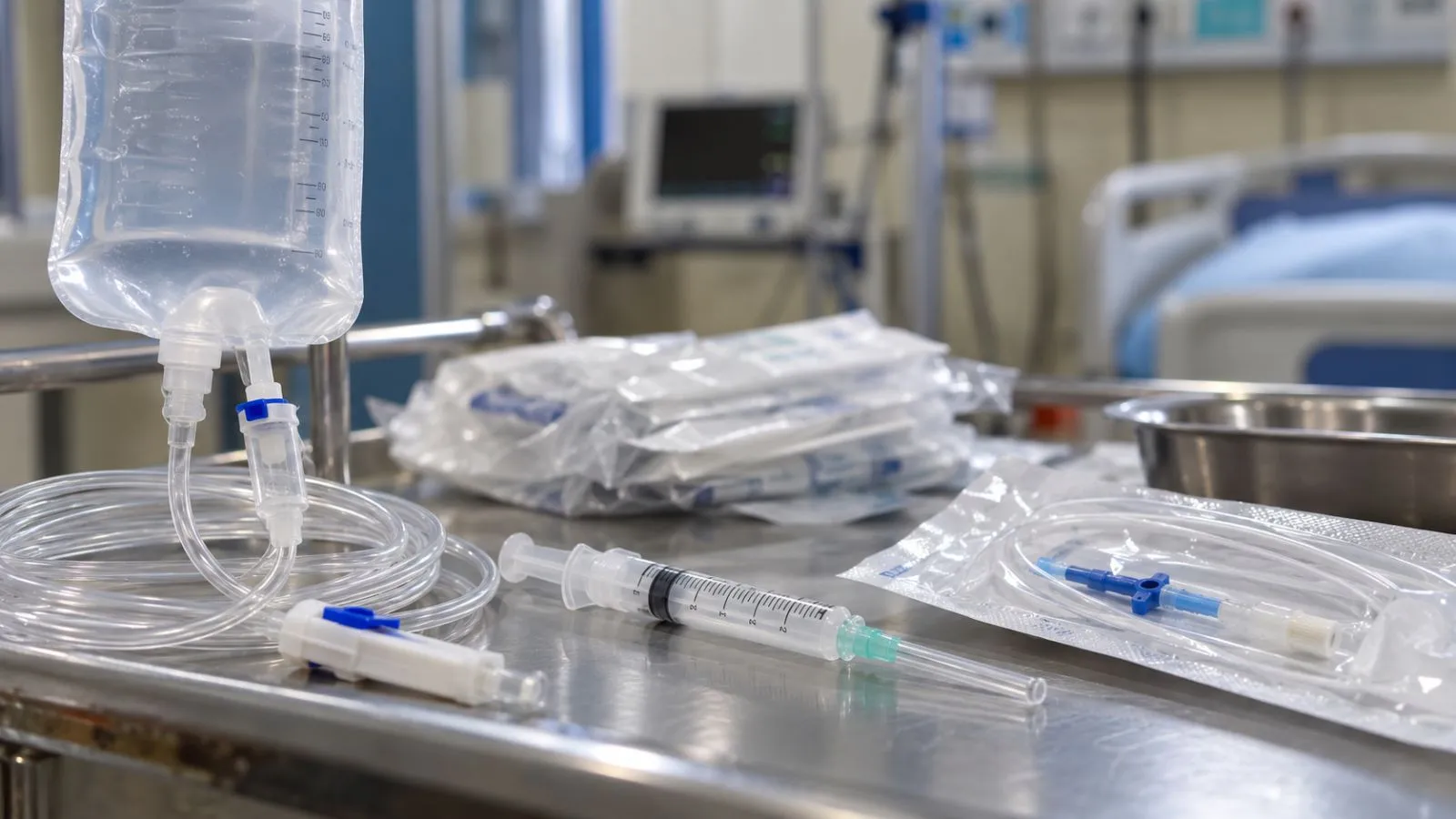
- A survey found IV sets procured for Rs 11 were being billed to patients at Rs 325, a markup of over 2,800 percent.
- Other common consumables, like syringes, were also sold at several times their purchase price, raising affordability concerns.
- The FDA has asked the National Pharmaceutical Pricing Authority to introduce caps and improve transparency in device pricing.
- Calls for intervention have sparked debate on the need for stricter regulation and oversight of medical billing in India.
Timeline · 8 moments
FDA exposes massive markup on IV sets in hospitals
Indian Express ↗FDA commissioner highlights burden on patients via social media
India News ↗Survey reveals 2,800 percent markup on medical consumables
India Today ↗FDA requests government price caps and transparency
Mint ↗FDA submits recommendations to NPPA for pricing guidelines
The Hindu ↗Public debate grows over hospital billing practices
Times of India India ↗FDA urges central government to investigate and regulate pricing
The Hindu ↗Media spotlights price manipulation in India's private hospitals
Indian Express ↗How it started
The issue came to light when Tukaram Mundhe, the Commissioner of Maharashtra's Food and Drug Administration, began scrutinizing the pricing of medical devices in private hospitals. Mundhe had previously focused on food sector regulation, but shifted his attention to healthcare after noticing unusual billing patterns.
By comparing procurement costs with the maximum retail prices charged to patients, the FDA uncovered dramatic price differences. The investigation initially centered on everyday medical consumables, which are essential for patient care but rarely questioned by those paying the bills.
How it unfolded
On September 16, 2026, the findings were shared publicly. The FDA revealed that IV sets purchased for just Rs 11 were being billed to patients at Rs 325 in some private hospitals, representing a markup of over 2,800 percent, as noted by Indian Express. Similar price inflation was observed with other items, such as syringes, which were bought for Rs 7 and sold at Rs 57.
The same day, Mundhe highlighted the issue on social media, emphasizing that the most expensive part of a hospital bill can sometimes be the consumables, not the treatment itself, according to India News. He described this as a financial burden on patients and called for urgent government action.
The FDA then reached out to the National Pharmaceutical Pricing Authority, seeking formal guidelines and price caps to regulate the gap between procurement costs and retail prices. The Hindu reported that the FDA's recommendation aimed to increase transparency and monitoring of pricing practices.
Media coverage quickly spread, with several outlets reporting on the scale of the markups and the growing demand for intervention. The issue reignited debate over the lack of regulation in India's private healthcare sector and the need to protect consumers from predatory pricing.
Where it stands
At present, the Maharashtra FDA has made its recommendations to national authorities and is awaiting a response. The agency is pushing for price caps on medical devices, hoping this will force hospitals to justify their billing and reduce the burden on patients.
The story has prompted renewed calls for transparency in how hospitals price and bill for consumables. The next steps depend on whether the NPPA and central government act on the FDA's requests for intervention.
What to watch
The key question is whether the National Pharmaceutical Pricing Authority will introduce formal price caps or other regulatory measures in response to the FDA's findings. Patients, hospitals, and regulators across India are watching closely, as any action could set a precedent for the entire healthcare sector.
More in Health
All →
Three Malaria Deaths and Multiple Cases Linked to Frankfurt Airport Area
Malaria infections have been confirmed near Frankfurt Airport, resulting in three deaths and prompting urgent public health warnings as authorities investigate the source and containment measures.
11 sources · over 2 days
Pennsylvania Measles Outbreak: Four Deaths, 700 Cases, CDC Aid Sought
Four unvaccinated individuals have died and over 700 cases are confirmed as Pennsylvania seeks CDC emergency support for the measles outbreak.
19 sources · over 5 days
Susie Wiles, Trump's Chief of Staff, Announces She Is Cancer-Free After Treatment
Susie Wiles, a top White House official, shared that she is now free from breast cancer, marking a positive milestone after her diagnosis and treatment earlier this year.
8 sources · today