Meloni Proposes Cap on Foreign Students and Ban on Face Coverings in Italian Schools
Italy's Prime Minister Giorgia Meloni has announced plans to limit the number of foreign students per class and ban face-covering garments in schools, sparking debate over education and integration.
By Tomas Ferreira · First published 20 Sept 2026
In brief
- Prime Minister Giorgia Meloni announced new school regulations at a youth event for her party in Italy.
- The proposals include a cap on the number of foreign students allowed in each classroom.
- A ban on burqas, hijabs, and other face-covering garments in educational settings was also revealed.
- The government will present these measures at an upcoming Council of Ministers meeting for approval.
- The announcement has triggered national discussion about immigration, integration, and educational policy.
Timeline · 4 moments
Meloni announces cap on foreign students and ban on face coverings in schools
RSS di - ANSA.it ↗Meloni says measures will be presented at Council of Ministers meeting
La Repubblica ↗Details emerge that ban includes burqas, hijabs, and chadors in schools
Adnkronos - ultimoratop ↗Media report national debate over integration and educational policy
DIE WELT ↗How it started
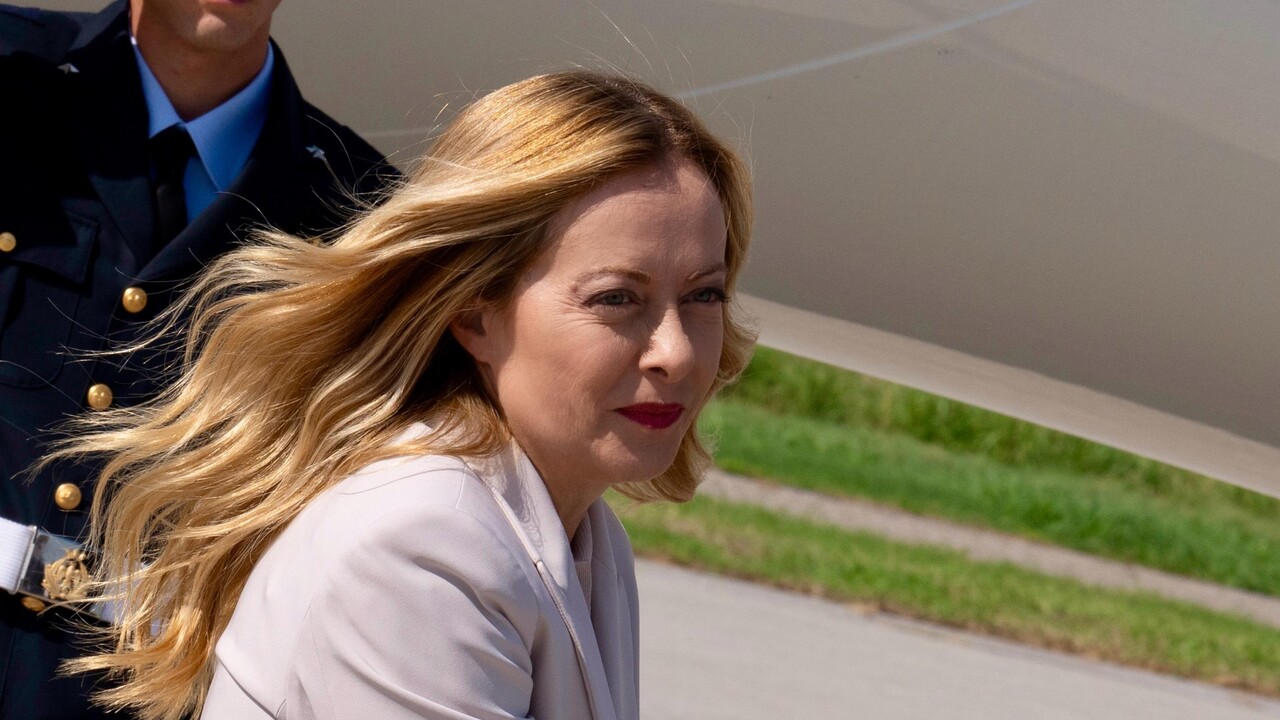
Giorgia Meloni, Italy's Prime Minister and leader of the Brothers of Italy party, spoke at a youth event organized for young party members. During her address, Meloni expressed pride in the youth wing's involvement and commitment to her party's vision. She used the occasion to introduce significant new policy proposals aimed at educational settings, particularly regarding the presence of foreign students and religious garments.
Meloni argued that Italian children should not feel like a minority in their own classrooms. She linked these policies to concerns about integration and social cohesion, setting the stage for a broader debate on immigration and cultural identity within Italy's schools.
How it unfolded
On September 20, 2026, Meloni publicly announced a plan to set a maximum number of foreign students per class and to ban face-covering garments such as burqas and hijabs in schools. She made these statements at the Fenix festival, the annual gathering of her party's youth wing.
The Prime Minister stated that these measures would be brought to the Council of Ministers, Italy's main executive decision-making body, for formal consideration. She emphasized that school should be a place where faces are visible and where Italian children do not become minorities in their classrooms.
Her remarks immediately sparked national attention and debate. Some commentators viewed the proposals as a response to growing concerns about integration and the role of immigration in Italian society. Others saw the announcements as part of a broader political strategy, as Meloni's government faces pressure from both the center-right and more hardline nationalist parties.
Media outlets quickly reported details of the proposed regulations, clarifying that the ban would apply to all forms of face-covering religious garments, including burqas, hijabs, and chadors. The government has yet to publish the exact text of the measures or specify what the maximum quota for foreign students would be.
Where it stands
The proposed regulations have not yet been enacted. The government intends to present them at the next Council of Ministers meeting, where they will be discussed and potentially approved. The announcement has fueled debate among educators, parents, and political figures, with supporters arguing for stronger integration and critics warning of potential discrimination.
Until the measures are formally introduced and debated within the Council, details such as enforcement and specific limits remain unclear.
What to watch
Observers are waiting for the government to publish the draft legislation and clarify how the cap on foreign students will be implemented. The Council of Ministers' response and any resulting legal or political challenges will determine how quickly, and in what form, these regulations might take effect in Italian schools.
More in World
All →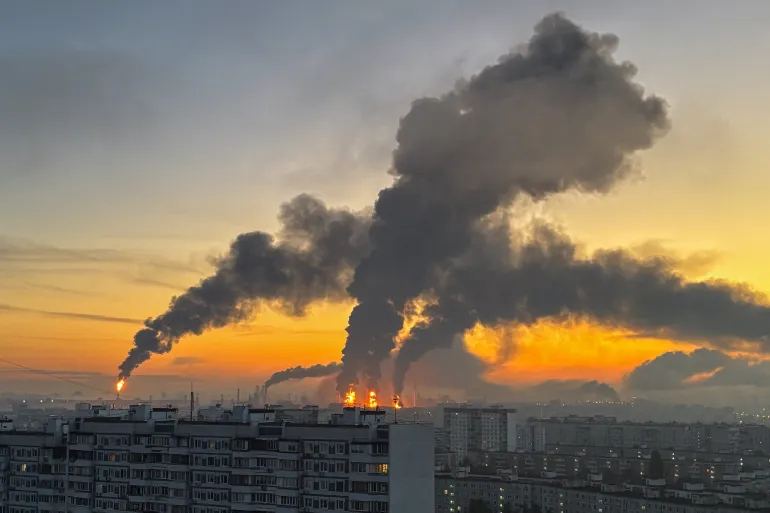
Russian and Ukrainian Drone Strikes Leave Dozens Dead and Wounded in Escalating Conflict
A deadly exchange of drone attacks between Russia and Ukraine has killed and injured civilians on both sides, damaged key infrastructure, and raised tensions as Russia held parliamentary elections.
33 sources · over 5 days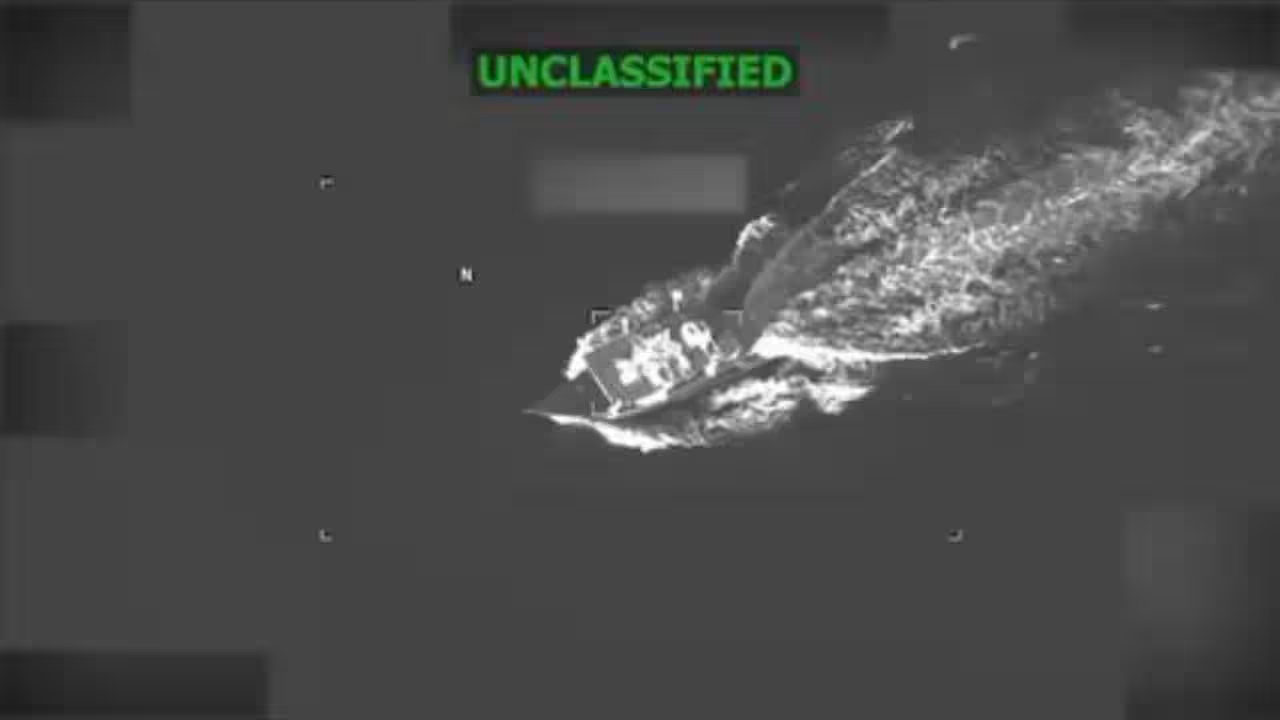
US Military Strike on Suspected Drug-Smuggling Boat in Caribbean Kills Four
A US military operation targeting a vessel suspected of drug trafficking in the Caribbean has left four dead, raising questions about the use of lethal force against alleged narco-traffickers in the region.
15 sources · today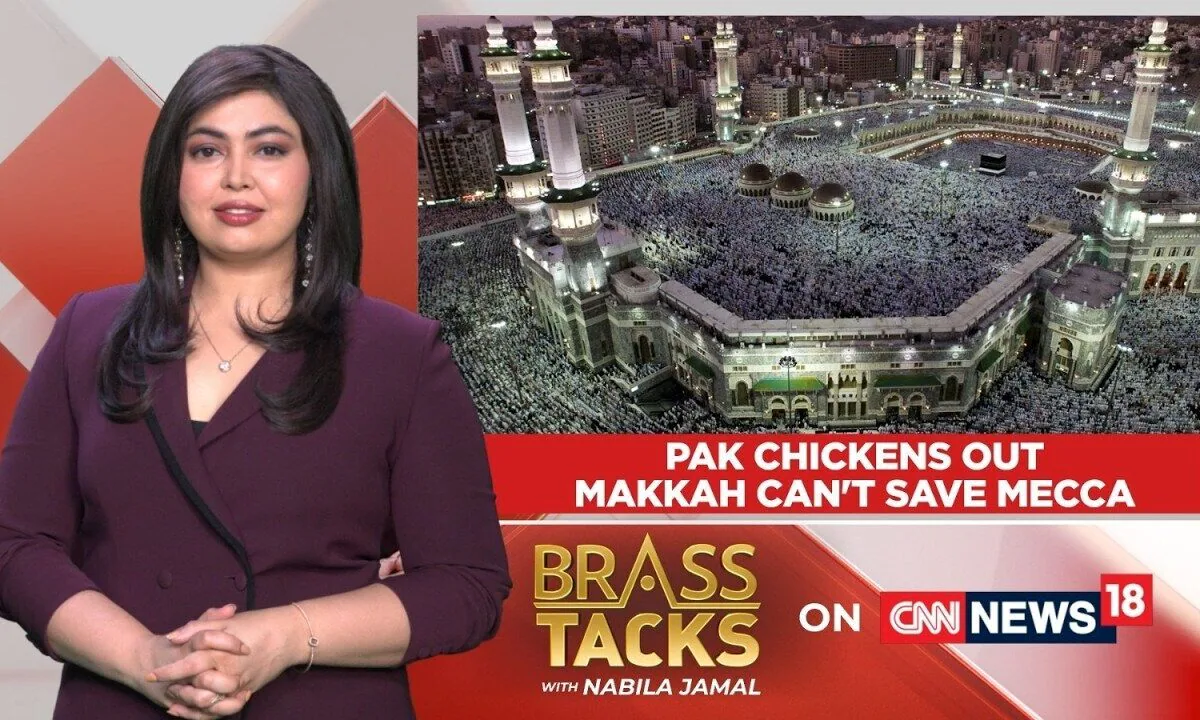
Riyadh Faces Unprecedented Houthi Drone Strikes and Airport Disruptions
Houthi attacks reached the Saudi capital for the first time, sparking air-raid alerts, airport fires, and widespread flight disruptions.
39 sources · over 5 days