New York City Releases 170,000 Pages of 9/11 Air Quality Records
New York City has made public a massive trove of documents revealing officials knew about toxic air risks after 9/11 but did not fully warn the public, raising renewed questions about government transparency.
By Oliver Hartmann · First published 8 Sept 2026
In brief
- Mayor Zohran Mamdani ordered the release of over 170,000 pages of documents related to post-9/11 air quality in New York City.
- The records show city officials were aware of serious air pollution and health risks following the attacks but did not disclose everything to residents.
- Many first responders and local residents developed illnesses linked to exposure at Ground Zero, with thousands of deaths attributed to toxic dust.
- The document release comes after years of advocacy and legal pressure from survivors, families, and support groups seeking answers.
- Public reaction has included outrage and calls for accountability as the city faces renewed scrutiny ahead of the 25th anniversary of the attacks.
Timeline · 5 moments
Mayor Mamdani announces intention to release 9/11 air quality documents
TIME.com ↗New York City releases over 170,000 pages on post-9/11 air quality
The New York Times ↗Documents show officials knew about air toxicity risks after 9/11
Axios ↗Memo reveals city leaders warned internally about Ground Zero risks in 2001
New York Post ↗Advocacy groups react with anger to revelations of public misinformation
The Independent ↗How it started
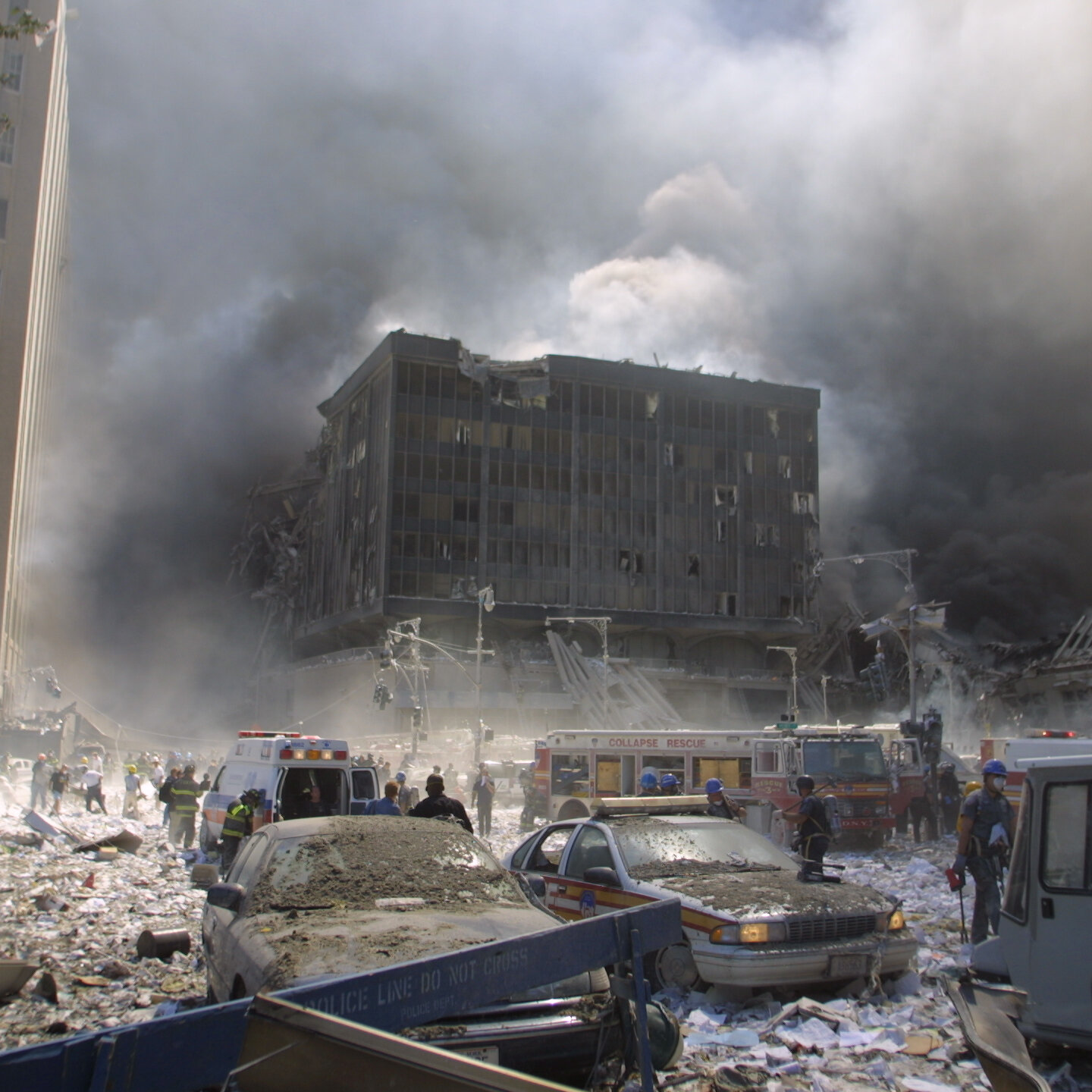
After the September 11, 2001 attacks, air quality around the World Trade Center became a serious concern. Many residents and first responders were told the air was safe, even as dust and fumes lingered for months.
Survivors, families, and advocacy groups began to suspect that officials were not telling the full truth about the risks. Over the years, thousands who lived or worked near Ground Zero developed illnesses that were later linked to exposure from the site.
Persistent demands for transparency led to legal challenges and calls for the city to release its internal records on air safety decisions made in the days and months after the attacks.
How it unfolded
On August 31, 2026, Mayor Zohran Mamdani announced plans to release a massive collection of long-secret documents relating to air quality after 9/11. This move came as the 25th anniversary of the attacks approached, renewing public interest in the city's response.
On September 8, 2026, the city officially published over 170,000 pages of records. These included internal memos and reports suggesting that officials were aware of dangers such as asbestos and other toxins but chose not to fully inform the public.
The documents revealed that, despite public reassurances, city leaders knew about the risks to health faced by those living and working near Ground Zero. One key memo from October 2001 highlighted these dangers, directly contradicting previous statements made to residents and first responders.
Advocacy groups and families of victims reacted with anger and frustration. They argued that the lack of transparency contributed to many preventable illnesses and deaths, and demanded accountability from officials involved in the cover-up.
The release was made as part of a legal agreement with a victims' advocacy group, following years of pressure and litigation.
Where it stands
The city has now made the documents available to the public, marking the largest release of its kind related to 9/11 air quality. There is widespread outrage over the revelations, especially among those affected by toxic exposure.
Calls for further investigation and possible legal action have grown, as the public and advocacy groups examine the details in the released files. The city faces renewed criticism for its handling of the crisis and demands for official accountability.
What to watch
Advocacy groups are pushing for new investigations into the city's actions and for compensation or support for those affected by the misinformation. There may also be legal consequences as more details come to light from the document trove.
More in World
All →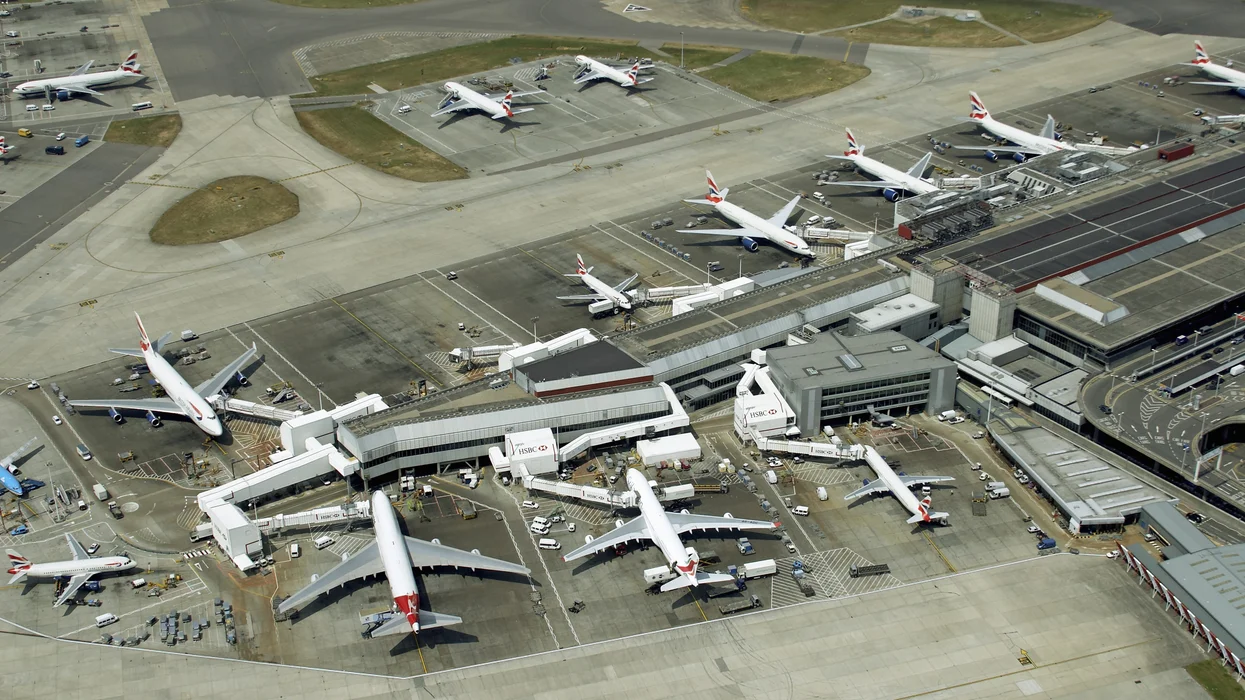
UK Air Traffic Control Glitch Resolved But Disruptions Continue
The technical failure in UK air traffic control has been fixed, but hundreds of flights remain cancelled and delays persist.
28 sources · today
Russia and North Korea Inaugurate First Road Bridge Across Tumen River Border
The new road bridge marks a significant step in deepening Russia-North Korea ties, allowing vehicles to cross the border freely amid growing cooperation since the Ukraine war.
20 sources · over 2 days
Florida Family of Four Found Dead After Bahamas Plane Crash
A Florida family, including two grandparents and two grandchildren, has been confirmed dead after their small plane crashed off the Bahamas while returning to Miami.
12 sources · today