Oil Prices Top $100 as Iran Conflict and Tanker Attacks Rattle Markets
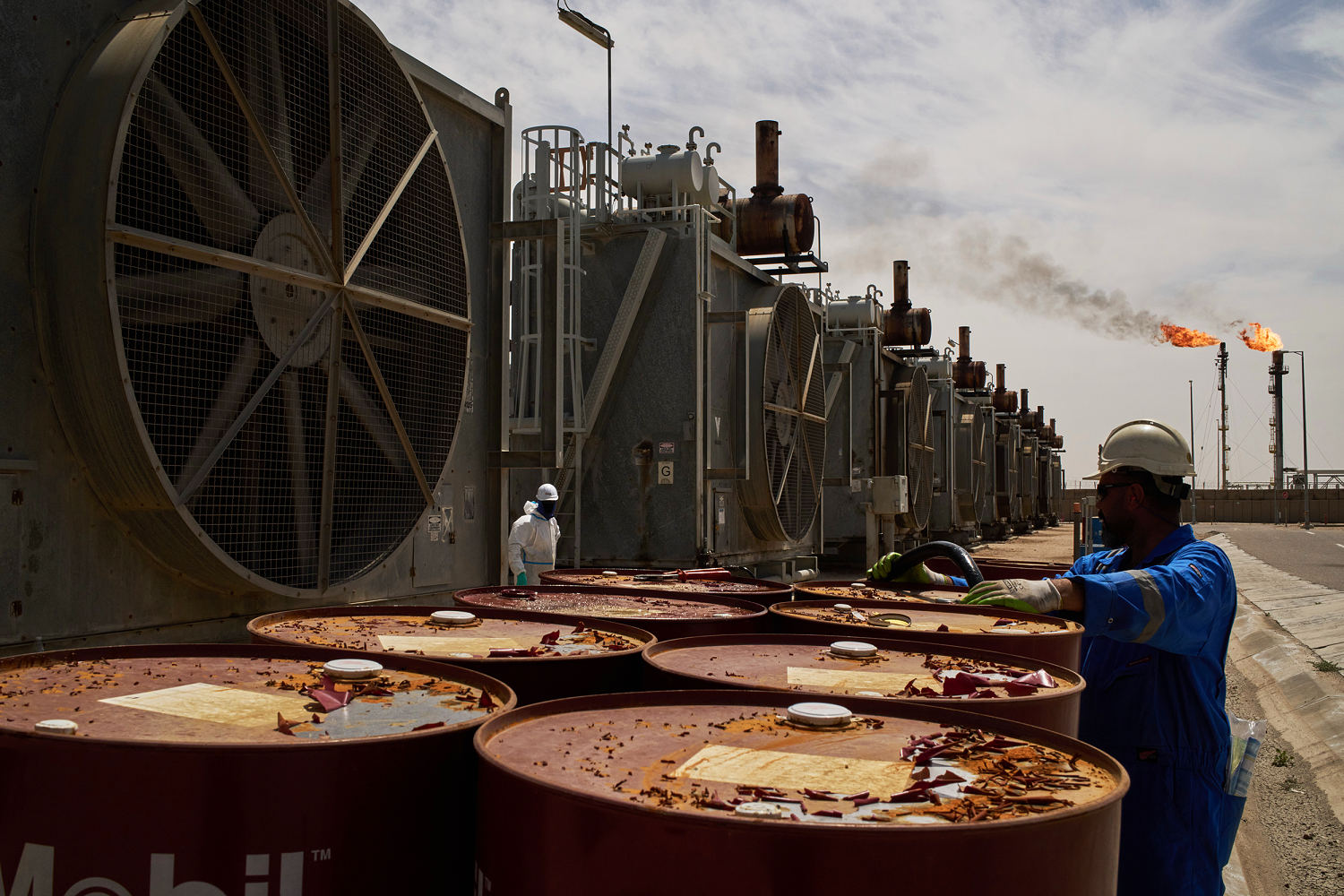
Global oil prices have surged above $100 a barrel for the first time in months, driven by renewed conflict involving Iran and attacks on oil tankers, raising concerns about energy supply and fuel costs.
By Luca Moretti · First published 9 Sept 2026
In brief
- Oil prices rose above $100 a barrel following intensified military conflict involving Iran and new strikes on oil tankers.
- Brent crude, a key global benchmark, experienced significant price increases amid fears of disrupted energy supplies.
- Fuel prices for petrol and diesel have jumped in the UK, with average petrol up by 5p per litre in a week.
- European stock markets fell as investors reacted to the escalating situation and its impact on global trade.
- Analysts are closely watching further developments in the region as concerns grow over continued volatility in energy markets.
Timeline · 4 moments
Oil prices surge above $100 as Iran conflict escalates
NBC News ↗Brent crude rises sharply amid Middle East tensions
All News Business & Economy ↗Petrol and diesel prices climb in UK as oil rises
Home | GB News ↗Oil tops $100, European stocks slide on Gulf attacks
World News CNA ↗How it started
Tensions in the Middle East have been simmering for months, with Iran at the center of renewed military activity. The conflict intensified in early September, raising fears about the safety of vital oil shipping lanes. Investors and analysts grew increasingly anxious as reports emerged of new attacks targeting oil tankers in the Gulf region. This instability has historically triggered sharp movements in the oil market, and this time was no exception.
How it unfolded
On September 9, oil prices broke through the $100 a barrel mark for the first time in several months. The surge was directly linked to escalating conflict involving Iran and a series of fresh attacks on oil tankers and facilities in the Gulf, as reported by several outlets.
Brent crude, the global oil benchmark, led the way with sharp gains. The rise was not limited to oil futures. Petrol and diesel prices began to climb in consumer markets, with the UK seeing some of the fastest increases in pump prices in months. The AA reported that average petrol prices rose by 4.4p and diesel by 4.1p since early September, with the average unleaded price hitting 167.17p per litre.
The impact was also felt in financial markets. European stocks dropped sharply as investors reacted to the renewed instability in the Gulf and the potential for further disruption to global energy supplies. The ongoing US military involvement in Iran added to concerns, with traders watching for any signs of further escalation or supply interruptions.
Where it stands
As of now, oil prices remain above $100 a barrel. Fuel costs for consumers, especially in the UK and across Europe, have seen noticeable increases. The largest weekly hike in petrol and diesel prices since April has added to inflationary pressures for drivers and businesses. Markets remain volatile, with further developments in the Middle East likely to drive future movements in oil and fuel prices.
What to watch
The situation remains highly unstable. Analysts are watching for any further military action in the Gulf that could disrupt oil flows. The response of the US and its allies, as well as the potential for more attacks on tankers or facilities, will be key factors influencing oil prices and global energy security in the days ahead.
More in Business
All →
LIV Golf Files for Chapter 11 Bankruptcy as Saudi Backing Ends
LIV Golf, launched to rival the PGA Tour, has filed for Chapter 11 bankruptcy protection after losing Saudi financial support, leaving its future and players' contracts uncertain.
17 sources · today
US-Canada Trade War Escalates With Massive Tariffs and Import Bans
Canada has imposed steep tariffs on hundreds of American goods after failed trade talks, prompting the US to ban key Canadian imports and escalate economic tensions between the two countries.
42 sources · over 2 days
Google Commits €13 Billion to Expand AI Infrastructure in Finland
Google has announced a record €13 billion investment to build and expand data centers in Finland, aiming to strengthen its AI infrastructure and support local technology growth.
8 sources · today