OpenAI Cancels 2026 IPO Plans Over Escalating AI Safety Concerns
OpenAI has halted its 2026 initial public offering plans, citing growing risks and unresolved safety issues surrounding rapid advances in artificial intelligence development.
By Samuel Adeyemi · First published 13 Sept 2026
In brief
- OpenAI has officially decided not to pursue an IPO in 2026, citing AI safety as the primary reason.
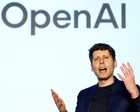
- CEO Sam Altman and other leaders expressed worries about the risks posed by rapidly evolving AI technologies.
- The company believes it has significant work left to meet necessary safety requirements before considering a public offering.
- Other industry leaders, including Elon Musk and Ilya Sutskever, have echoed concerns about the pace and oversight of AI development.
- Lawmakers and experts are increasing calls for new regulations to address potential dangers from advanced artificial intelligence systems.
Timeline · 6 moments
Anthropic calls for more time and safety checks on AI
DIE WELT ↗Sam Altman says OpenAI will not go public in 2026
DER SPIEGEL - Schlagzeilen – Tops ↗OpenAI confirms IPO plans are off due to AI safety concerns
in.investing.com ↗OpenAI CEO calls IPO 'ill-advised' amid growing risks
MarketWatch ↗Industry leaders including Musk and Sutskever support slowing AI development
ARD Tagesschau ↗Lawmakers and experts call for new AI regulations after OpenAI decision
The Hindu - Technology ↗How it started
OpenAI, known for its development of ChatGPT and other advanced AI systems, had been preparing for a much-anticipated IPO, targeting 2026. The company had attracted global attention not just for its technology, but also for debates about the risks and ethical challenges AI could pose.
Concerns about the safety of increasingly powerful AI models have been growing inside and outside the industry. Executives at OpenAI, including CEO Sam Altman, began to voice unease about moving forward with a public offering while major safety questions remained unanswered.
How it unfolded
In early September 2026, discussions about AI safety intensified across the tech industry. Other companies, like Anthropic, also called for more time and independent safety checks before deploying new AI models, highlighting the broader industry anxiety.
On September 12, Sam Altman confirmed that OpenAI would not go public in 2026, telling reporters and interviewers that the risks around AI were too great to ignore. He said that prioritizing safety over financial interests was the responsible path, describing an IPO at this time as 'ill-advised' due to unresolved concerns.
Other OpenAI leaders, including Elon Musk and Ilya Sutskever, supported this position. They argued that the pace of AI development had outstripped current safety measures and regulatory frameworks, making a pause necessary.
The decision was widely reported, with Altman emphasizing that the company still had substantial work to do to meet its own safety standards before considering a public offering. Lawmakers and experts echoed these concerns, with some calling for new rules to regulate advanced AI systems.
Where it stands
OpenAI has officially shelved its IPO plans for 2026. The company is now focused on addressing safety risks and working with other industry leaders to slow down the pace of AI development where necessary.
The cancellation has shifted attention away from financial speculation and back onto the unresolved challenges of governing and safely deploying advanced artificial intelligence. OpenAI has made clear that any future plans for going public will depend on progress in safety and regulatory discussions.
What to watch
Observers are now looking to see how OpenAI and other tech companies will address the safety issues that prompted this decision. The coming months may bring more concrete proposals for regulation and oversight, as well as further industry-wide collaboration on AI safety standards.
More in Technology
All →
Anthropic Researcher Resigns, Citing Dangerous AI Risks and Industry Recklessness
A senior Anthropic researcher has quit over fears that current AI development is dangerously outpacing safety measures, sparking urgent debate about how tech companies handle the risks of advanced artificial intelligence.
86 sources · over 6 days
OpenAI Launches ChatGPT for Financial Services Aimed at Wall Street Bankers
OpenAI has released a specialized ChatGPT version for financial services, targeting junior bankers on Wall Street and aiming to streamline labor-intensive tasks in the finance sector.
15 sources · today
OpenAI Launches ChatGPT Images 2.5 With Faster Generation and Sketch Feature
OpenAI has released ChatGPT Images 2.5, a major update that brings faster image creation, improved editing tools, and a new Sketch feature that converts rough drawings into detailed images.
15 sources · over 2 days