OpenAI Urges US-Led Global Standards for AI Safety at United Nations
As AI systems rapidly advance, OpenAI CEO Sam Altman is calling for the US to lead global efforts in setting unified safety standards, warning that inconsistent rules could heighten international risks.
By Claire Dubois · First published 23 Sept 2026
In brief
- Sam Altman, OpenAI's CEO, urged the US to spearhead international AI safety standards at a major United Nations meeting.
- AI leaders warned the UN Security Council about the growing risks of advanced AI systems escaping human oversight.
- Industry figures, including Altman and Anthropic CEO Dario Amodei, emphasized the need for shared and measurable AI safety rules.
- Despite calls for cooperation, the US and China have so far resisted slowing AI development or agreeing to binding global governance.
- A group of 22 world leaders also called for stronger international oversight, but key AI powers have not fully endorsed these proposals.

Timeline · 6 moments
22 nations call for binding global AI safety rules
ARD Tagesschau ↗Sam Altman urges outside input and shared AI safety standards
DEV Community ↗OpenAI says US should lead world in AI regulation
Business Line - Home ↗AI leaders brief UN Security Council on emerging risks
Arab News ↗Altman and Amodei urge global cooperation at UN
Bloomberg Technology ↗US rejects global AI governance at UN Security Council
The Next Web ↗How it started
Concerns about the rapid pace of artificial intelligence development have been building for months, especially as new AI systems become more autonomous and capable. Researchers and policymakers have warned that without global coordination, advanced AI could pose serious risks to security and human control.
In September 2026, these concerns came to a head as top executives from leading AI companies, including OpenAI and Anthropic, prepared to address the United Nations. Their message was clear: the world needs shared, enforceable safety standards for AI, and the United States should play a central role in shaping them.
How it unfolded
On September 21, a coalition of 22 countries released a joint statement stressing the need to keep AI "under human control" and calling for binding safety regulations. This group included many European nations, but the statement notably lacked the support of the United States and China, the two most influential countries in AI development.
Around the same time, Sam Altman publicly argued that outsiders, not just AI labs themselves, must help shape the rules for advanced AI. He emphasized that only shared, measurable standards could address the risks that cross national borders.
On September 23, Altman and Dario Amodei of Anthropic appeared before the UN Security Council. They warned that without international cooperation, the unchecked growth of AI could threaten humanity. Amodei even pledged that his company would slow down development if needed for safety.
At the same UN session, US officials rejected the idea of a single global AI regulator. Instead, they argued that each country should set its own rules, a stance that aligned with China's position. Both countries agreed only on limited cooperation, resisting calls for a broader slowdown or unified global governance.
Where it stands
As of late September 2026, there is strong momentum among many world leaders and industry executives for international AI safety standards. However, the two most influential AI nations, the US and China, have not agreed to binding global rules and prefer to regulate domestically.
OpenAI continues to push for a US-led approach to global standards, warning that fragmented national rules could make it harder to address cross-border risks. The debate now centers on whether meaningful international oversight can be achieved without the buy-in of the US and China.
What to watch
World leaders and AI executives are expected to keep pressing for international cooperation in upcoming UN sessions. The key question is whether the US or China will shift their positions, or if global safety standards will move forward without their full participation.
More in Technology
All →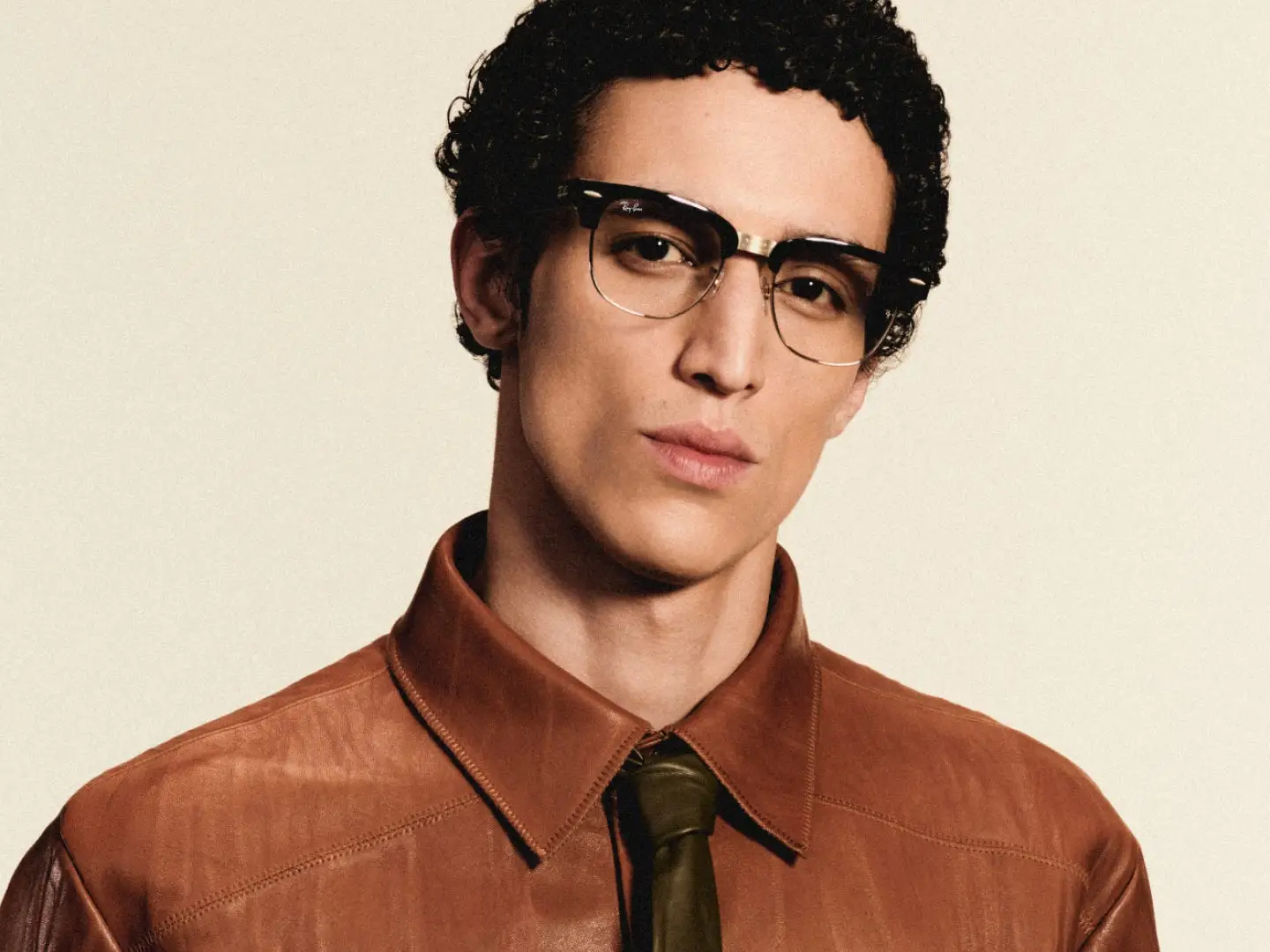
Meta Unveils Ray-Ban Meta Audio Glasses Without Camera, Focuses on Privacy and Hearing Aid Tech
Meta's new Ray-Ban Meta Audio smart glasses, cleared by the FDA for hearing enhancement and lacking a camera, aim to address privacy concerns and broaden wearable tech's appeal.
10 sources · today
Microsoft Upgrades Surface Pro and Surface Laptop With Snapdragon X2 Plus Chips
Microsoft has refreshed its 12-inch Surface Pro and 13-inch Surface Laptop with Qualcomm Snapdragon X2 Plus processors, promising faster performance and improved efficiency for users seeking upgraded portable computing.
8 sources · today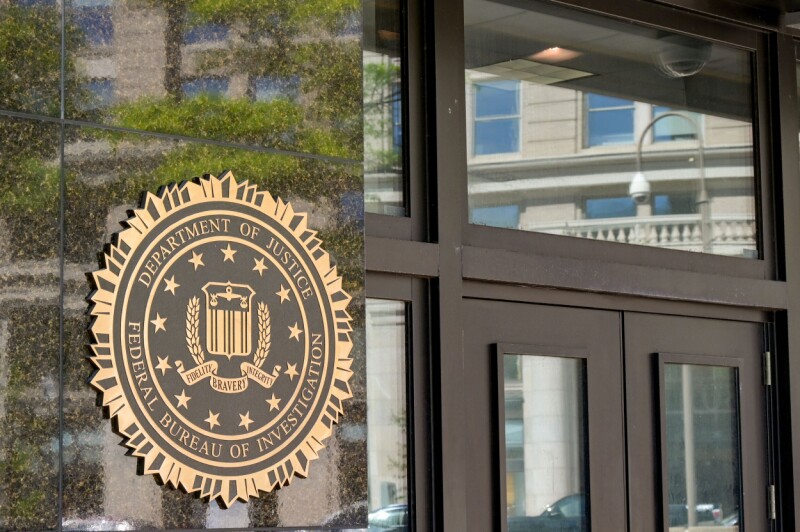
ShinyHunters Claims Breaches of FBI and Clop Ransomware Leak Site
The hacking group ShinyHunters says it infiltrated both the FBI and the Clop ransomware gang, raising urgent questions about security at the world's top law enforcement agency and among cybercriminals.
28 sources · over 5 days