Pakistan Threatens Defense Pact Activation Amid Houthi Attacks on Saudi Arabia
Rising Houthi attacks on Saudi cities have prompted Pakistan to warn of activating a new mutual defense pact, raising regional tensions and forcing Islamabad into delicate diplomacy with Iran and Riyadh.
By Elena Petrova · First published 16 Sept 2026
In brief
- Houthi forces launched missile and drone attacks on Saudi cities, injuring at least 73 people and targeting key infrastructure.
- Pakistan publicly warned that any attack on Saudi Arabia could trigger the Mecca Defense Alliance, a mutual security pact with Saudi Arabia and Türkiye.
- Following further attacks, Pakistan urged Iran to restrain its Houthi allies to prevent wider escalation in the region.
- Despite initial threats, Pakistan later clarified it was not actively planning military intervention and began diplomatic outreach to Saudi Arabia.
- Saudi Arabia responded militarily to the Houthi attacks and issued rare air raid alerts for Mecca, deepening concerns about regional security.

Timeline · 8 moments
Houthis strike Saudi airbase and oil sites, injuring dozens
Japan Times ↗Pakistan warns Houthi attacks could trigger Mecca defense pact
Al Jazeera ↗Pakistan urges Iran to restrain Houthi allies after further attacks
NDTV Top Stories ↗Pakistan clarifies no immediate military action planned under defense pact
Arab News ↗Pakistan reiterates no discussion of military response despite ongoing attacks
Top World News- News18.com ↗Pakistani PM speaks with Saudi Crown Prince to reaffirm diplomatic ties
Arab News ↗Saudi Arabia issues air raid alerts for Mecca, Jeddah, and Taif
Times of India ↗Saudi coalition intercepts Houthi drone headed for Mecca
Al Jazeera ↗How it started
The current crisis began when Yemen's Houthi movement escalated attacks on Saudi Arabia, striking an airbase and oil infrastructure. These strikes left dozens wounded and heightened fears of a broader conflict. The Houthis, backed by Iran, have long targeted Saudi territory, but the latest barrage was notable for its intensity and the symbolic threat to holy sites.
In response, Pakistan's Defense Minister issued a warning that any assault on Saudi Arabia could activate the newly formed Mecca Defense Alliance. This pact, signed with Saudi Arabia and Türkiye, was designed to deter attacks on Saudi sovereignty, particularly those threatening the holy city of Mecca.
How it unfolded
On September 9, after the Houthi missile and drone attacks injured at least 73 people in Saudi Arabia, Pakistan declared its unwavering support for Riyadh and referenced the Mecca defense pact. Islamabad suggested that continued attacks could see the pact activated, signaling a new level of seriousness.
As Houthi strikes persisted, Pakistan delivered a warning to Iran, asking it to rein in the Houthis. Iranian officials responded by denying direct control over the group, reflecting the complexity of the alliances at play.
By September 10, Pakistani officials began to walk back their earlier threats of military action, clarifying that no immediate intervention was planned. Instead, Pakistani leaders emphasized solidarity with Saudi Arabia and stressed the importance of diplomatic efforts over direct confrontation.
Meanwhile, Saudi Arabia responded forcefully to the Houthi escalation, launching military strikes and, for the first time, issuing air raid alerts for Mecca and other cities. These alerts underscored the severity of the threat, especially given Mecca's religious significance.
In the days that followed, Pakistan's Prime Minister held direct talks with Saudi Crown Prince Mohammed bin Salman, seeking to manage any fallout from Islamabad's shifting position and reaffirming diplomatic ties.
Where it stands
At present, Pakistan has stepped back from immediate military involvement despite its defense minister's initial warning. The government now emphasizes diplomatic engagement with both Saudi Arabia and Iran while maintaining its formal commitment to the Mecca pact.
Saudi Arabia remains on high alert, with its air defenses intercepting further Houthi drones near Mecca and other cities. The conflict has exposed gaps and ambiguities in the new defense agreement and left regional stability hanging in the balance.
What to watch
Key questions remain about whether the Mecca Defense Alliance will move beyond statements to real military action if Houthi attacks persist. Pakistan's balancing act between Saudi Arabia and Iran is also under strain, and Riyadh may look to other partners for support if Islamabad remains hesitant.
More in World
All →
Three Dead, One Injured After NBC LA News Helicopter Crash
At least three people have been confirmed dead and one injured after an NBC Los Angeles news helicopter crashed while covering a fatal bus accident.
31 sources · today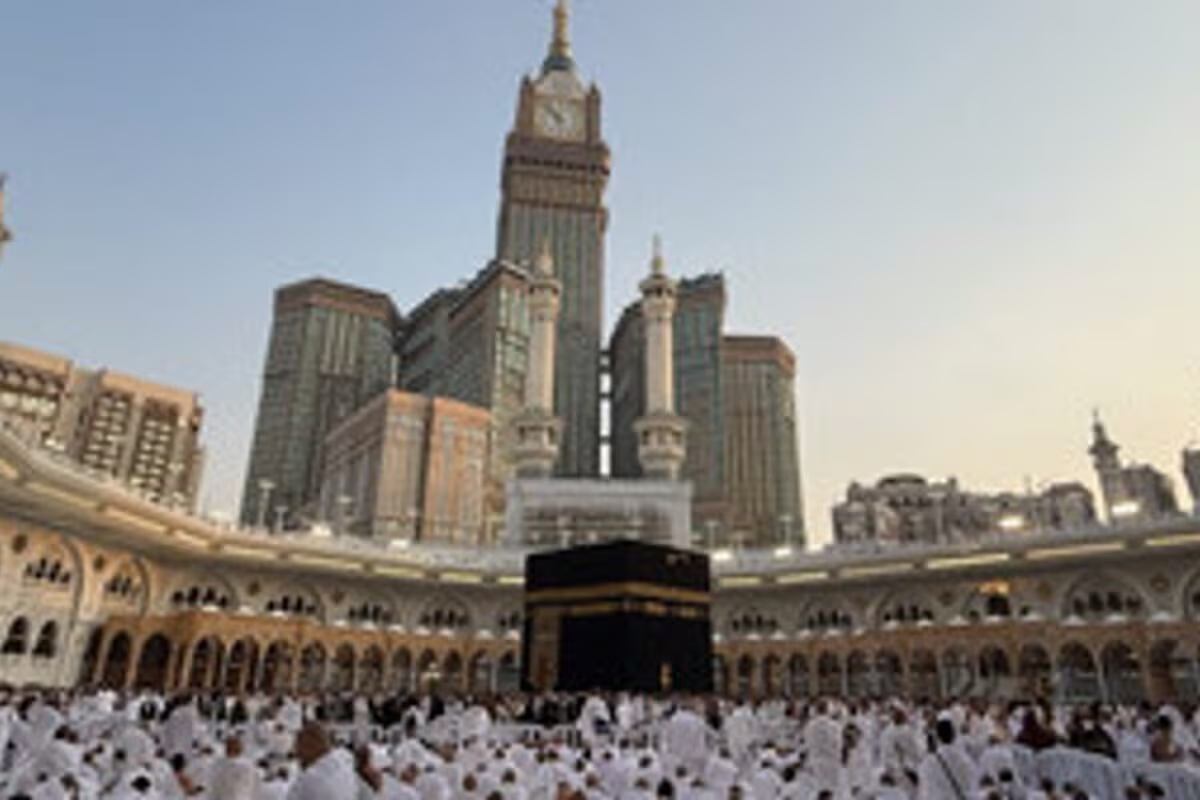
Mecca Issues Historic Air Raid Alert as Saudi Arabia Intercepts Houthi Drone
Saudi Arabia has intercepted a drone aimed at Mecca, issuing an unprecedented air raid alert for the holy city and raising security concerns amid ongoing Houthi attacks.
10 sources · today
Nick Reiner Faces Life Without Parole, Trial Set for 2027
Prosecutors confirmed Nick Reiner will not face the death penalty and set his trial for 2027.
16 sources · today