Plaud Launches AI Earbuds With 4G, eSIM and Recording Functions
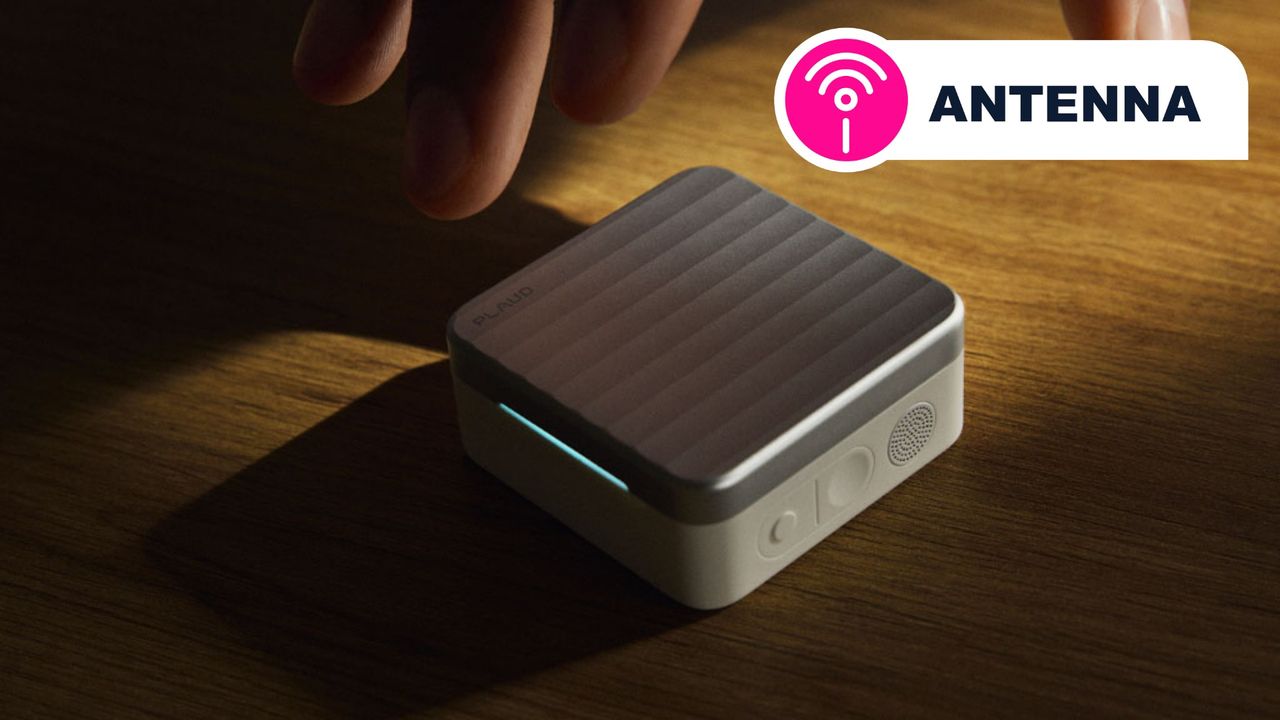
Plaud has introduced its Plaud One earbuds, which blend AI-powered note-taking, 4G connectivity, and conversation recording, signaling a new push for AI wearables aimed at productivity and work-life integration.
By Marcus Bell · First published 27 Aug 2026
In brief
- Plaud launched its AI earbuds, the Plaud One, on August 27, 2026, priced at $250 with $200 in AI credits.
- The earbuds feature 4G connectivity, an eSIM-enabled case, and can record, transcribe, and summarize conversations.
- Plaud plans to produce 2,000 units initially, with availability in over 80 countries and shipping starting in September 2026.
- The device aims to enhance productivity for professionals, but raises privacy concerns regarding conversation recording and user consent.
- Market reception remains uncertain as users adapt to the product and legal issues surrounding AI recording technologies evolve.
Timeline · 4 moments
Plaud unveils AI earbuds for recording and productivity
TechCrunch ↗Plaud One earbuds feature 4G, AI note-taking and eSIM
Bloomberg Technology ↗Plaud's AI earbuds record, transcribe and summarize meetings
The Verge - All Posts Tech ↗Plaud One available for preorder, ships in September
vc.ru: Популярное за все время ↗How it started
Plaud, a company previously known for its NotePin AI voice recorder, has been working to bring artificial intelligence into everyday productivity tools. The company aimed to build on its earlier success by creating a device that could integrate more seamlessly into daily life and office settings.
The market for AI-powered hardware has seen a surge in interest, with companies exploring new ways to help users capture and process information. Many devices have tried to replace or supplement the smartphone, but few have made a significant impact so far, according to Engadget and TechCrunch.
How it unfolded
On August 27, 2026, Plaud officially unveiled its first AI earbuds, the Plaud One, across several technology news outlets. The product features 4G connectivity, an eSIM-enabled charging case, and the ability to record and transcribe conversations. According to Bloomberg and TechCrunch, the earbuds are designed to interact with AI agents and help users generate meeting notes, action items, and even follow-up emails automatically.
The earbuds are priced at $250, with $200 in credits for AI features included. Techmeme and ZDNet reported that Plaud plans to produce 2,000 units initially, aiming for availability in over 80 countries. The product is available for preorder, and shipments are expected to begin in September 2026, according to vc.ru.
Several outlets, such as TechRadar and The Verge, highlighted the device's ability to keep the user in control, requiring manual approval for sensitive actions. The earbuds can also translate speech and summarize conversations, further enhancing workplace productivity.
CNET noted that the Plaud One is positioned as a reinvention of headphones for the AI note-taking age, integrating with standard headphones while offering new AI-driven capabilities. The Verge pointed out that this product marks a shift from previous pin-shaped AI wearables to a more familiar earbud form.
Where it stands
Plaud One earbuds are now available for preorder in multiple regions, with shipping expected to start in September 2026. The product is marketed towards professionals and users who want to automate note-taking and task management, especially during meetings.
The device has generated attention for its AI-driven features, but also raised questions about privacy and consent when recording conversations, as mentioned by The Next Web. Plaud's approach includes requiring user approval for high-stakes actions, aiming to address some of these concerns.
What to watch
Key questions remain about how Plaud One will be received in the market, especially as legal and privacy issues around recording conversations come to the forefront. It is also unclear whether Plaud's AI features will set a new standard or face challenges similar to earlier attempts at AI wearables.
Observers will be watching how users adapt to the new workflow and whether Plaud expands its AI agent capabilities as promised in future updates.
More in Technology
All →
Dell Unveils 14S Laptop to Compete With Apple's MacBook Neo in US
Dell has launched the 14S laptop, targeting students with a colorful, budget-friendly device that directly challenges Apple's MacBook Neo amid concerns about value and pricing.
8 sources · today
Google Rapidly Expands Gemini AI With Student Tools and New Models
Google has rolled out major updates to its Gemini AI platform, launching new models and offering free AI access to students, signaling a push to make its AI central to education and creative work.
27 sources · over 6 days
Apple Schedules September 9 Event to Launch iPhone 18 Pro and Foldable Ultra
Apple will unveil the iPhone 18 Pro and its first foldable iPhone Ultra at a major September 9 event, marking a pivotal moment for both its flagship lineup and entry into the foldable phone market.
46 sources · over 7 days