Pope Leo XIV Criticizes AI Art, Calls for Church-Artist Alliance
Pope Leo XIV has publicly criticized AI-generated art, emphasizing a fundamental difference from human creativity and urging collaboration between artists and the church as tech debates intensify.
By Hushread Stories, written with AI from 15 outlets · First published 3 Oct 2026
In brief
- Religious scholars and tech company Anthropic held discussions about AI consciousness and ethics in late September and early October.
- Pope Leo XIV responded by stating that AI-generated art lacks the 'spark of humanity' and cannot replace human creativity.
- He called for an alliance between artists and the church to defend the value of human-made art.
- The Pope's comments have increased tensions between the Vatican and technology leaders over AI's role in creative and spiritual fields.
- Debates continue as both sides consider the future of art, AI, and the ethical boundaries of machine-generated content.
Timeline · 5 moments
Religious scholars meet Anthropic to discuss AI consciousness
Indian Express ↗Anthropic consults religious leaders on AI morality and consciousness
NDTV Top Stories ↗Pope Leo XIV condemns AI-generated art at Vatican meeting
Business Insider ↗Pope calls out 'AI slop' and urges support for human artists
Technology ↗Pope reiterates call for distinction between AI and human art
NDTV News - World-news News ↗How it started
In late September 2026, Anthropic, a leading artificial intelligence company, began consulting with religious scholars and philosophers. Their goal was to explore ethical questions about AI, including whether advanced systems could ever possess consciousness or moral status. These meetings involved experts from various faith traditions, including prominent Indian scholars, and quickly drew attention among both religious and technology communities.
According to Indian Express and NDTV Top Stories, the discussions focused on deep philosophical and moral questions about AI's role in society. The topic of AI-generated art and its implications for creativity and spirituality emerged as a central concern. The Vatican, observing these talks, began preparing a response.
How it unfolded
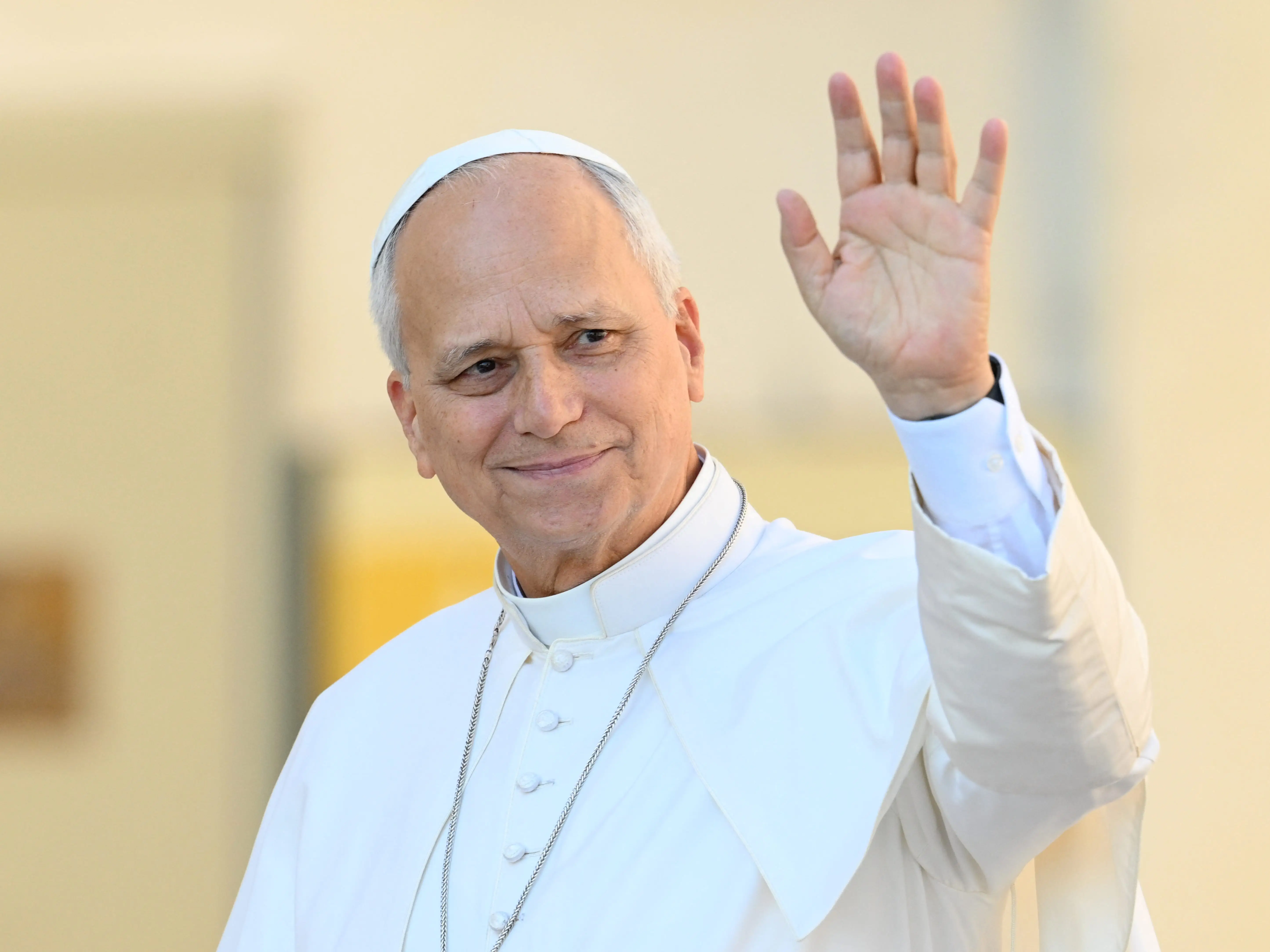
On October 2, 2026, Pope Leo XIV publicly addressed the issue of AI-generated art. Speaking to artists and curators at a gathering in Vatican City, he argued that AI lacks what he called the 'spark of humanity' and cannot replicate the creative depth of human artists, according to Business Insider.
Later that day, the Pope took to social media to reinforce his stance, using strong language to criticize what he termed 'AI slop' and encouraging people to support human artists instead, as reported by Technology.
In his remarks, the Pope highlighted an 'ontological difference' between art created by humans and content generated by algorithms. He insisted that while machines process data, they do not create with intention or soul, as described in TechCrunch and The Next Web.
The Vatican's position quickly became a flashpoint in broader debates about AI and creativity. Tech leaders, especially those from Anthropic, maintained that AI could have significant benefits but disagreed with the Pope's strict separation between human and machine output. The discussions led to visible tension between the Vatican and Silicon Valley, with both sides holding firm to their views.
By October 3, the Pope reiterated his call for a clear distinction between human art and AI-generated works, urging ongoing dialogue and collaboration between artists and religious institutions, according to NDTV News.
Where it stands
As of early October 2026, the debate over AI-generated art remains unresolved. The Vatican has taken a clear stance against equating machine-made images with human artistic expression. Pope Leo XIV continues to call for collective action among artists and the church to preserve the unique value of human creativity.
Meanwhile, Anthropic and other tech leaders are continuing their outreach to religious and philosophical experts, seeking input on the future development of AI. The conversation is ongoing, with both sides watching for potential compromises or further escalations.
What to watch
The next steps may include formal collaborations or statements from artist groups and church authorities about the use of AI in creative fields. Further meetings between tech companies and religious leaders are likely, as both sides look for common ground or new guidelines for AI-generated content.
More in Culture
All →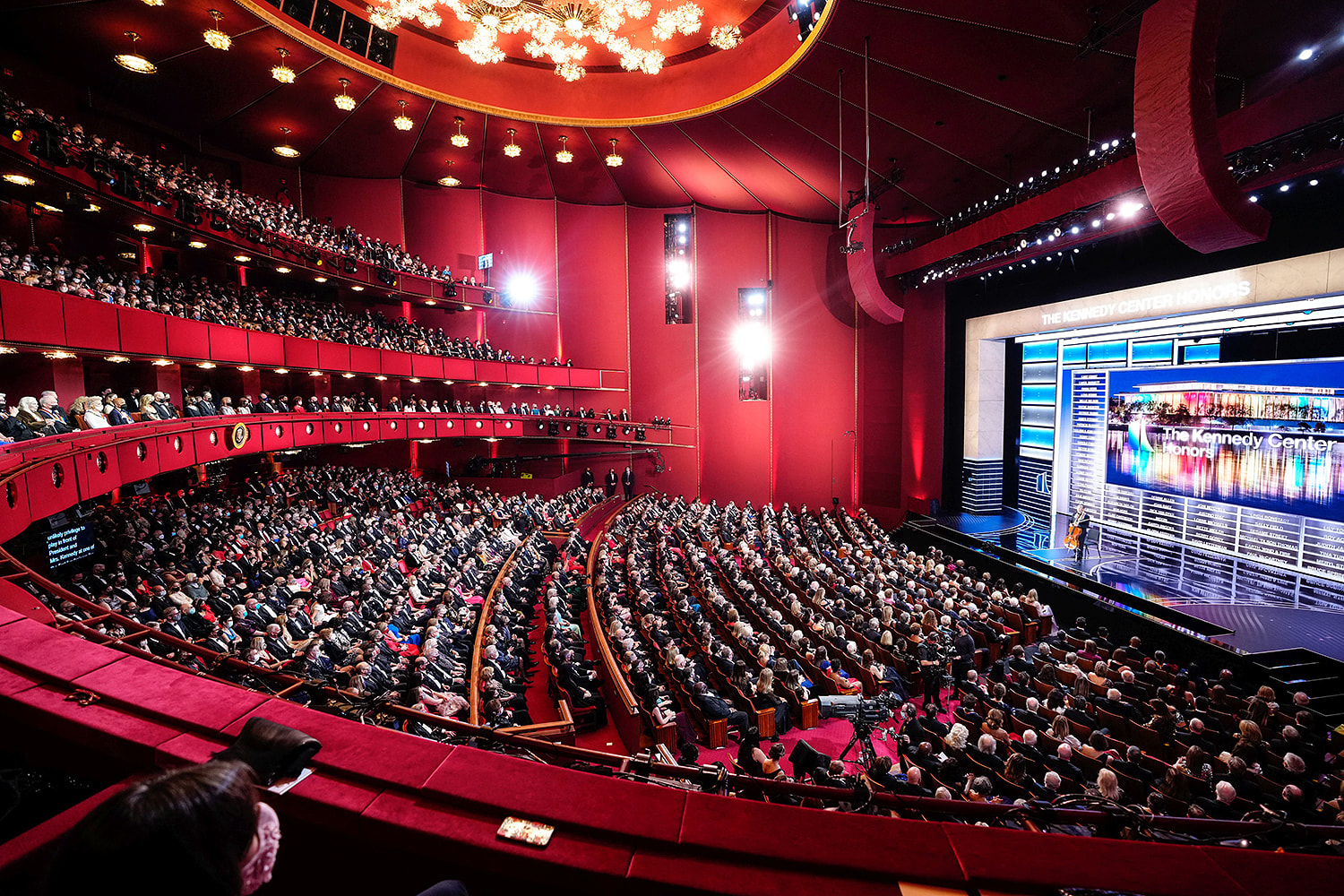
Kennedy Center Honors Moves to Capital One Arena Amid Venue Uncertainty
For the first time in its nearly 50-year history, the Kennedy Center Honors will be held off-site due to ongoing disputes about the future of the Kennedy Center.
8 sources · over 2 days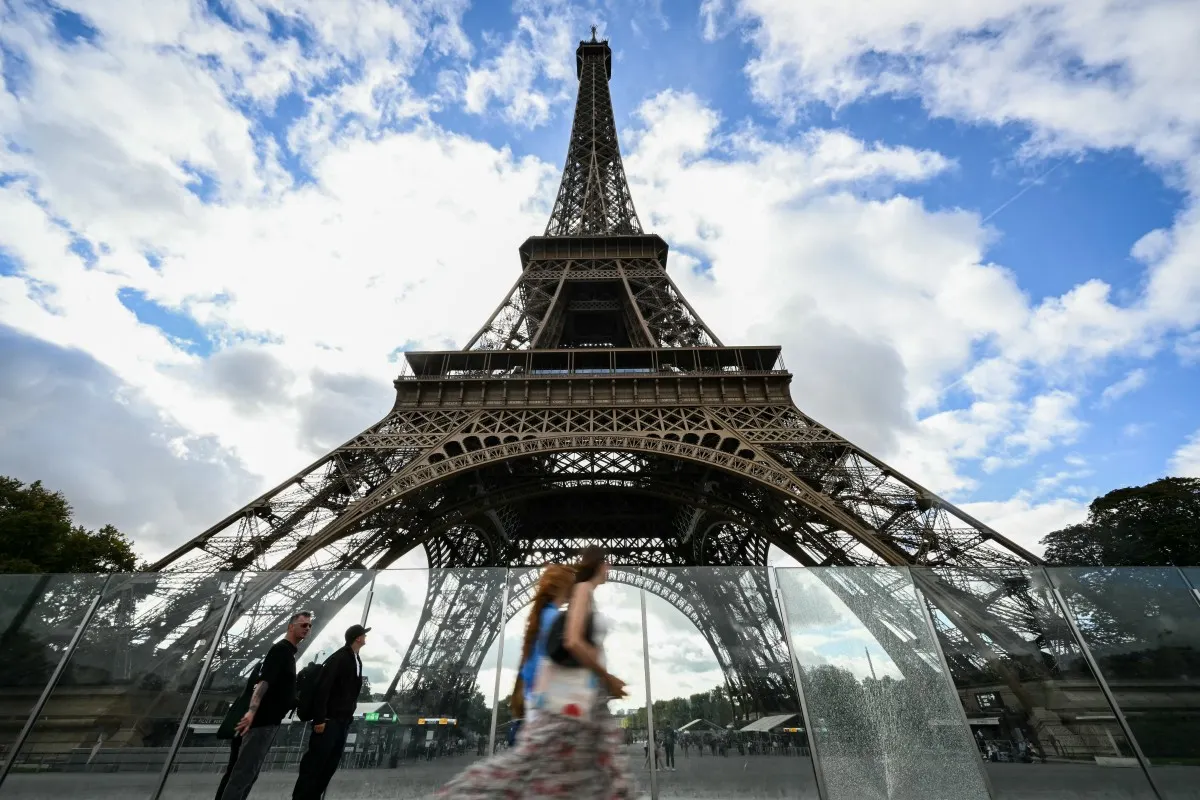
Eiffel Tower Director to Step Down After Staff Exclusion; Probe Clears Hindu Group
Patrick Branco Ruivo will resign as director after a probe found female staff were excluded, but the visiting Hindu group made no such request.
23 sources · over 4 days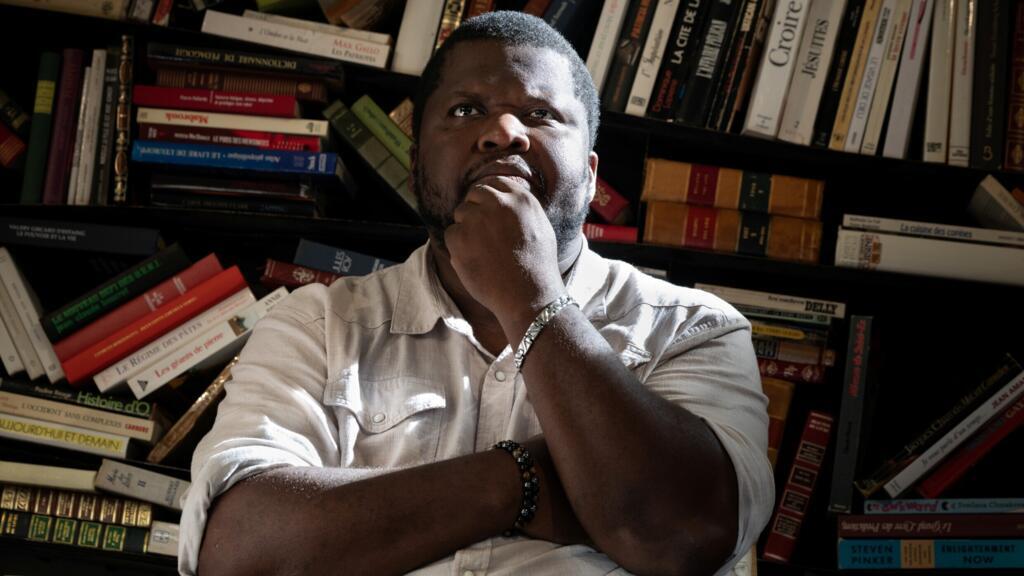
Thélyson Orélien Removed from Goncourt Prize Amid AI and Plagiarism Accusations
Celebrated author Thélyson Orélien faces allegations of using artificial intelligence and plagiarism in his acclaimed novel, leading to his removal from France's prestigious Prix Goncourt and sparking a heated literary debate.
20 sources · over 7 days