Prime Minister Andy Burnham Rules Out Early UK General Election Until 2029
UK Prime Minister Andy Burnham has dismissed calls for an early general election, committing to the scheduled 2029 vote despite speculation and pressure from advisers seeking to capitalize on Labour's strong position.
By Aisha Karimi · First published 26 Sept 2026
In brief
- Prime Minister Andy Burnham has publicly confirmed there will be no early general election before 2029.
- There was growing speculation and internal pressure for an early vote due to Labour's current polling strength.
- Burnham's announcement came just ahead of his first Labour Party conference as prime minister.
- Some advisers and Labour MPs reportedly supported an early election to secure a renewed mandate.
- Burnham said his focus is on governing and setting a new direction for the country, not electioneering.

Timeline · 5 moments
Advisers push for early general election amid Labour strength
Home | GB News ↗Speculation about early election ahead of Labour conference
BBC ↗Burnham rules out early election, confirms no vote before 2029
Latest news, sport and opinion from the Guardian ↗Prime minister says he is not tempted by a snap election
BBC - Home ↗Burnham insists focus is on governing, not electioneering
Home | GB News ↗How it started
Speculation about an early general election began to grow as Prime Minister Andy Burnham prepared for his first Labour Party conference in office. Labour's strong showing in the polls and renewed confidence among party members fueled talk that Burnham might call a snap vote to secure his own mandate.
Advisers and some Labour MPs reportedly argued that the party's current popularity presented a unique opportunity. They believed that an early election could strengthen Labour's position in Parliament and offer Burnham a clear endorsement from voters.
How it unfolded
On September 24, reports surfaced that Downing Street advisers were privately urging Burnham to consider an early general election, possibly as soon as the following spring. This internal pressure was driven by optimism about Labour's prospects and a belief that striking while the party was ahead would be politically advantageous.
As these discussions became public, media outlets highlighted the tension between the party's apparent readiness for an early contest and Burnham's more cautious approach. The speculation intensified in the days leading up to the Labour conference, with many expecting Burnham to clarify his stance.
On September 25, Burnham addressed the rumors directly. He told reporters and the public that he was not tempted to call an early election and insisted there would be no general election before 2029. He emphasized that his focus remained on governing and moving the country forward, rather than engaging in electioneering.
This announcement was covered widely, with Burnham repeating his position in interviews and public statements. He made it clear that, despite the internal debate, he would stick to the planned electoral timetable.
Where it stands
Andy Burnham has definitively ruled out an early general election, stating that the next nationwide vote will take place in 2029 as scheduled. His announcement has put an end to speculation, at least for now, about Labour seeking a renewed mandate before then.
Burnham's stance signals his intention to focus on delivering his government's agenda and establishing his leadership within both his party and the country. The issue of an early election appears settled, with attention now turning to policy and governance as Labour's first conference under his leadership begins.
What to watch
With the question of an early election resolved, the focus shifts to how Burnham will use the time before 2029 to implement his policy agenda. Observers will be watching for how he manages internal party expectations and whether Labour can maintain its current popularity over the coming years.
More in Politics
All →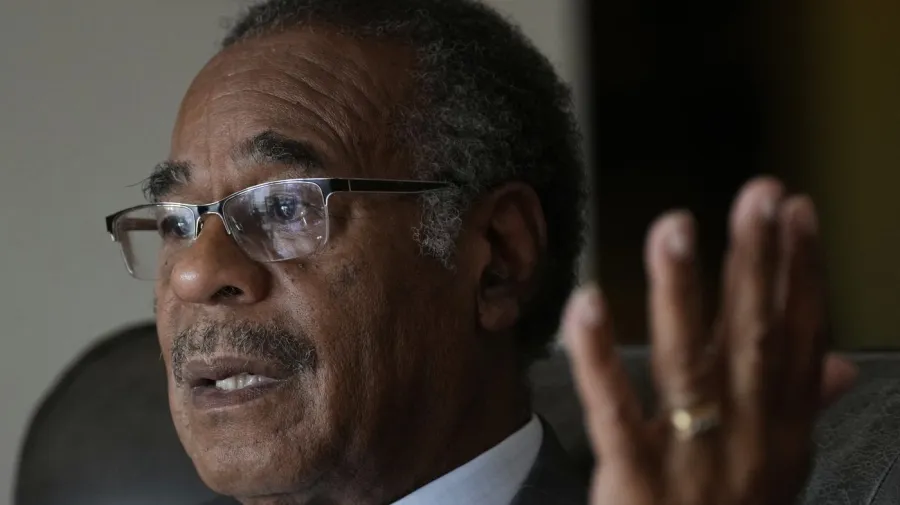
Supreme Court Blocks Missouri GOP Congressional Map for Third Time
The US Supreme Court has again halted Missouri Republicans from using a favored congressional map, leaving the state's redistricting unresolved as midterm elections approach.
11 sources · today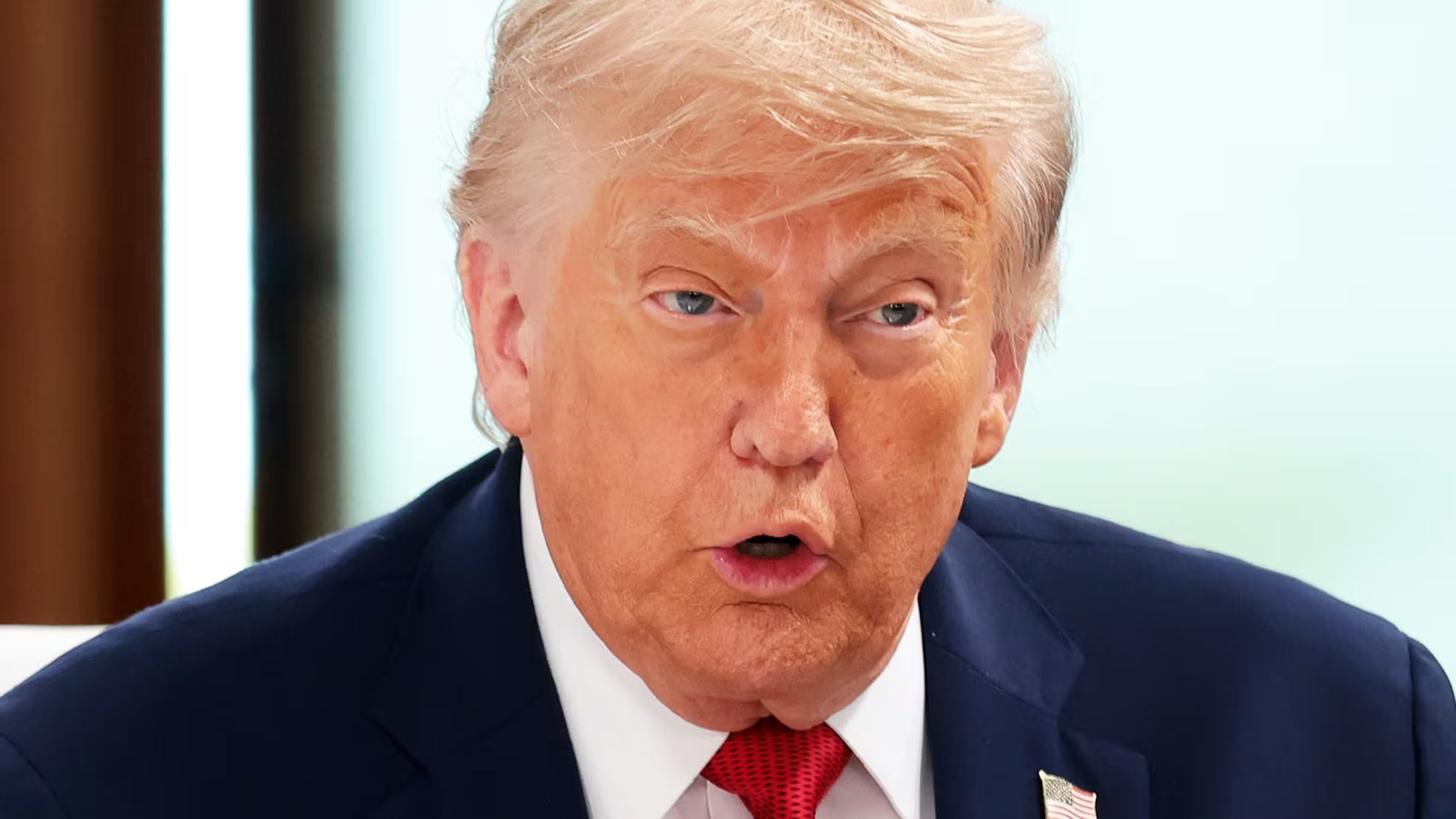
Trump's Approval Rating Falls to 26% as Democrats Pull Ahead
Recent polling shows Trump's approval rating at a new low, with Democrats now favored in upcoming congressional elections.
11 sources · over 5 days
China Holds F-35 Stealth Parts After Diversion From Australia to Hong Kong
Diverted F-35 parts with radar-absorbing material are now in Chinese hands, prompting US and Australian investigations.
28 sources · over 7 days