Protests and Uncertainty Mark Ireland's Nations League Matches Against Israel
Ireland's decision to play Israel in the Nations League has sparked protests, public boycotts, and tense moments for players and officials, drawing attention to political tensions in international football.
By Hushread Stories, written with AI from 15 outlets · First published 3 Oct 2026
In brief
- Ireland faced widespread calls to boycott their Nations League football matches against Israel due to Israel's actions in Gaza.
- Thousands signed petitions and some Irish pubs refused to show the games, while protest groups staged rallies and demonstrations.
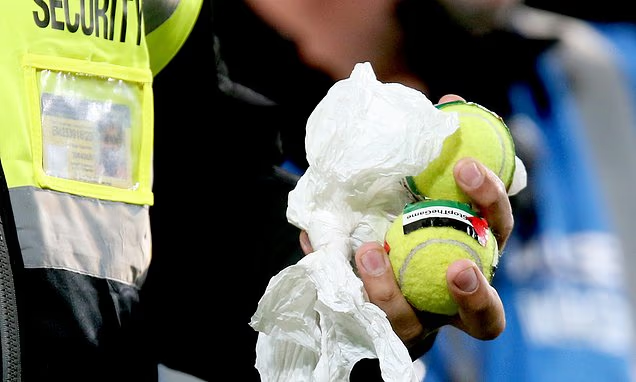
- Protests disrupted Ireland's match against Austria, with fans throwing tennis balls decorated with Palestinian flags onto the pitch.
- Despite the backlash, Ireland's football association confirmed the team will play the second match against Israel in Serbia.
- Tensions escalated before the Israel match, with Ireland's coach cutting a press conference short after heated exchanges with Israeli journalists.
Timeline · 6 moments
Ireland undecided on playing second Nations League match against Israel
Daily Mail ↗Ireland confirms it will play second match against Israel despite backlash
Al Jazeera ↗Protesters disrupt Ireland v Austria match with tennis balls and flags
The42 ↗Demonstrators rally outside Dublin stadium over Israel match
Euronews ↗Ireland and Austria draw 2-2 after protest interruptions
Sky Sports ↗Ireland manager ends press conference early after heated exchanges
Daily Mail ↗How it started
Ireland's scheduled Nations League fixtures against Israel quickly became a flashpoint due to Israel's ongoing war in Gaza. Many Irish fans and advocacy groups began urging the team to boycott the matches, arguing that playing would be seen as tacit support for Israel's actions.
Petitions calling for a boycott gathered thousands of signatures, and some Irish pubs announced they would not screen the games. The Football Association of Ireland initially hesitated, with the team's coach stating no final decision had been made about the second match.
Calls for a boycott intensified after Ireland played their first match against Israel. The debate was not just confined to fans, as some players reportedly felt uneasy about participating.
How it unfolded
On September 29, Ireland's coach said the team was undecided about playing the second match against Israel, planned as a 'home' fixture but set to take place behind closed doors in Serbia.
By September 30, despite ongoing opposition, the Football Association of Ireland confirmed that the team would fulfill the fixture as scheduled. The coach publicly stated that the match would go ahead.
Protest actions escalated during Ireland's Nations League game against Austria on October 1. Protesters interrupted play twice by throwing tennis balls with Palestinian flags onto the pitch and briefly invading the field, halting the match.
Around 200 people also rallied outside Dublin's Aviva Stadium during the Austria game, demanding Ireland pull out of the upcoming match with Israel. Despite the disruptions, the Austria match ended in a 2-2 draw.
In the buildup to the Israel fixture, tensions rose further. During the pre-match press conference in Serbia, Ireland's manager ended the session early after heated exchanges with Israeli journalists, including accusations directed at Irish players.
Where it stands
Ireland will play the second Nations League match against Israel in Serbia, despite sustained protests and calls for a boycott. The atmosphere remains tense, with public opposition and political undertones affecting both the team and officials.
The Irish manager has stated that the upcoming match 'will not be friendly,' reflecting the charged mood around the fixture. Organizers and security will be on alert as the match proceeds amid ongoing concerns.
What to watch
Attention will now shift to how the match in Serbia unfolds, both on and off the field. Observers are watching for further protests, the response from UEFA, and whether political tensions will affect future international fixtures involving Ireland or Israel.
More in Sports
All →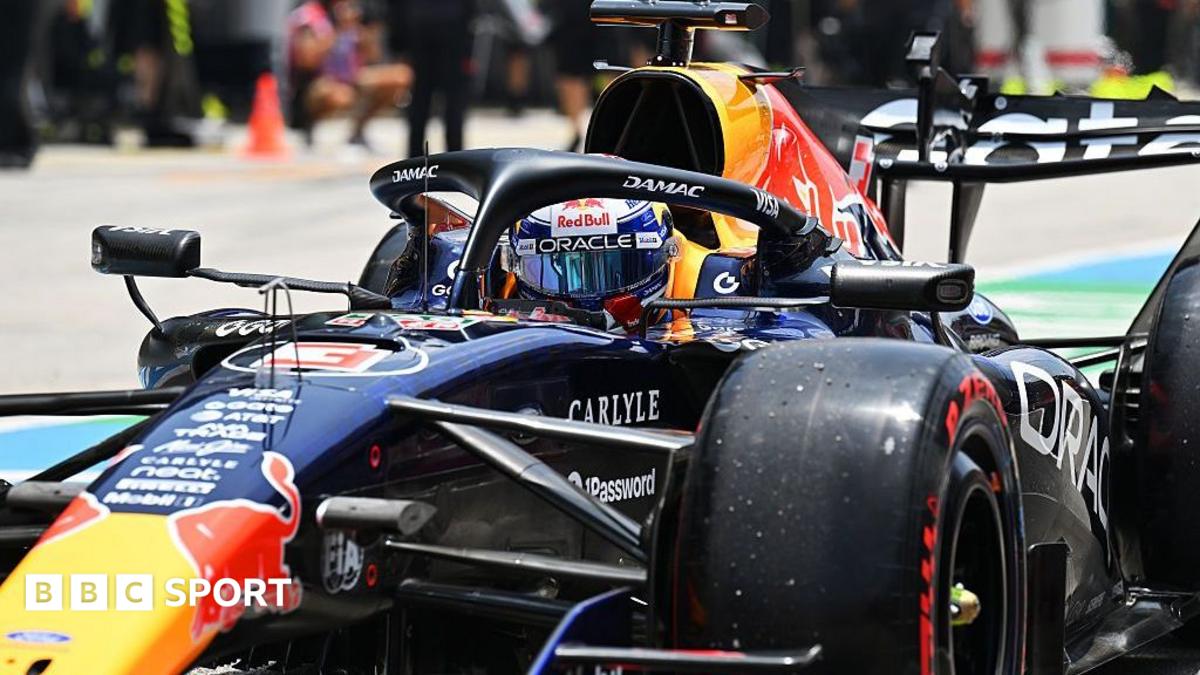
Verstappen Takes Pole for Bahrain GP at Sepang, Antonelli Third
Max Verstappen secured his first pole of the season for the Bahrain Grand Prix in Malaysia, with Antonelli starting third.
23 sources · over 3 days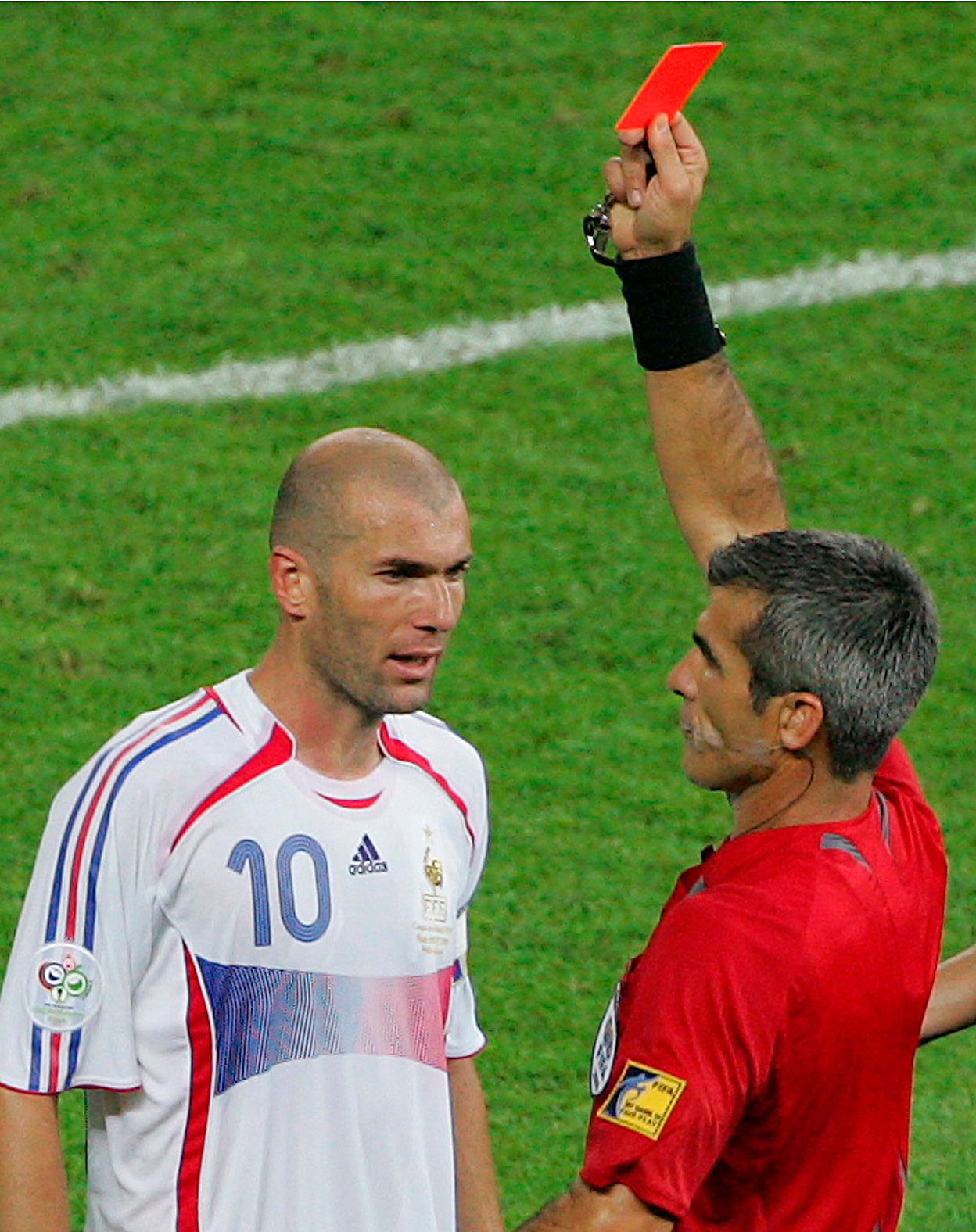
France and Italy Draw 1-1 as Zidane Faces Italy on World Cup Anniversary
Zinédine Zidane's first home match as France coach ended in a 1-1 draw against Italy, twenty years after their infamous World Cup final clash, highlighting both teams' current strengths and struggles.
15 sources · over 3 days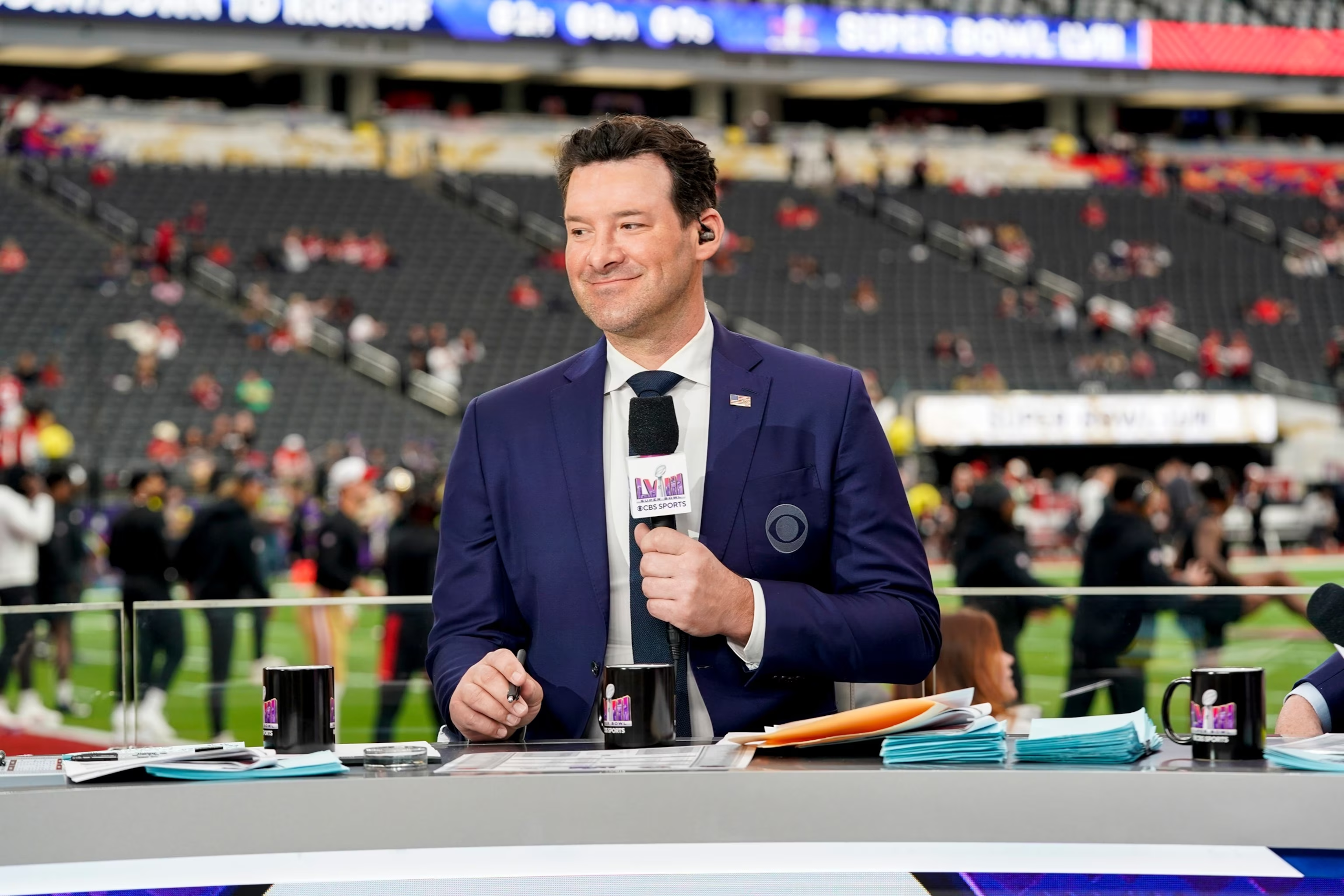
Tony Romo Leaves CBS Sports After Arrest for Suspected Drunk Driving in July
Tony Romo and CBS Sports have ended their partnership following Romo's July DWI arrest, raising questions about the future of the former NFL star's broadcasting career.
12 sources · today