Russian Airstrikes Kill Four, Including Child, and Hit Kyiv Power Supply
A wave of Russian drone and missile attacks struck the Kyiv region on September 30, killing civilians and damaging critical infrastructure as Ukraine braces for winter.
By Hushread Stories, written with AI from 8 outlets · First published 30 Sept 2026
In brief
- Russian airstrikes targeted the Kyiv region on September 30, killing at least four people, including a child.
- The attacks damaged energy infrastructure, disrupting power supply in parts of the capital and surrounding areas.
- Ukrainian officials confirmed the casualties and described the strikes as part of ongoing Russian pressure on Kyiv.
- Jet-powered drones and ballistic missiles were used, with Ukraine's air defenses struggling to intercept them.
- Authorities are still assessing the full extent of the damage and casualties as winter approaches.
Timeline · 6 moments
Russian missile and drone blitz increases pressure on Kyiv
The Hindu ↗Russia intensifies attacks on Ukraine using new drones and missiles
Times of India ↗Russian airstrikes kill four in Kyiv region, including a child
CBC News ↗Russian attacks on Kyiv target power grid, leave capital shrouded in smoke
Al Jazeera ↗Seven killed in Kyiv as Russian strikes hit energy infrastructure
World News Headlines, Latest International News, World Breaking News - Times of India News ↗Russia targets Kyiv's power supply as winter approaches
Arab News ↗How it started
Russian forces have ramped up attacks on Ukrainian cities since the summer, focusing on critical infrastructure and civilian areas. Ukrainian officials have repeatedly warned that air defenses are stretched thin, especially with the reported use of new types of drones and missiles. These attacks have become more frequent as colder weather approaches, raising fears about Ukraine's ability to protect its power supply and civilians.
How it unfolded
On September 29, reports described a Russian blitz using ballistic missiles and jet-propelled drones that are difficult for Ukrainian air defenses to intercept. The intensity of these attacks put Kyiv and its surrounding region on high alert.
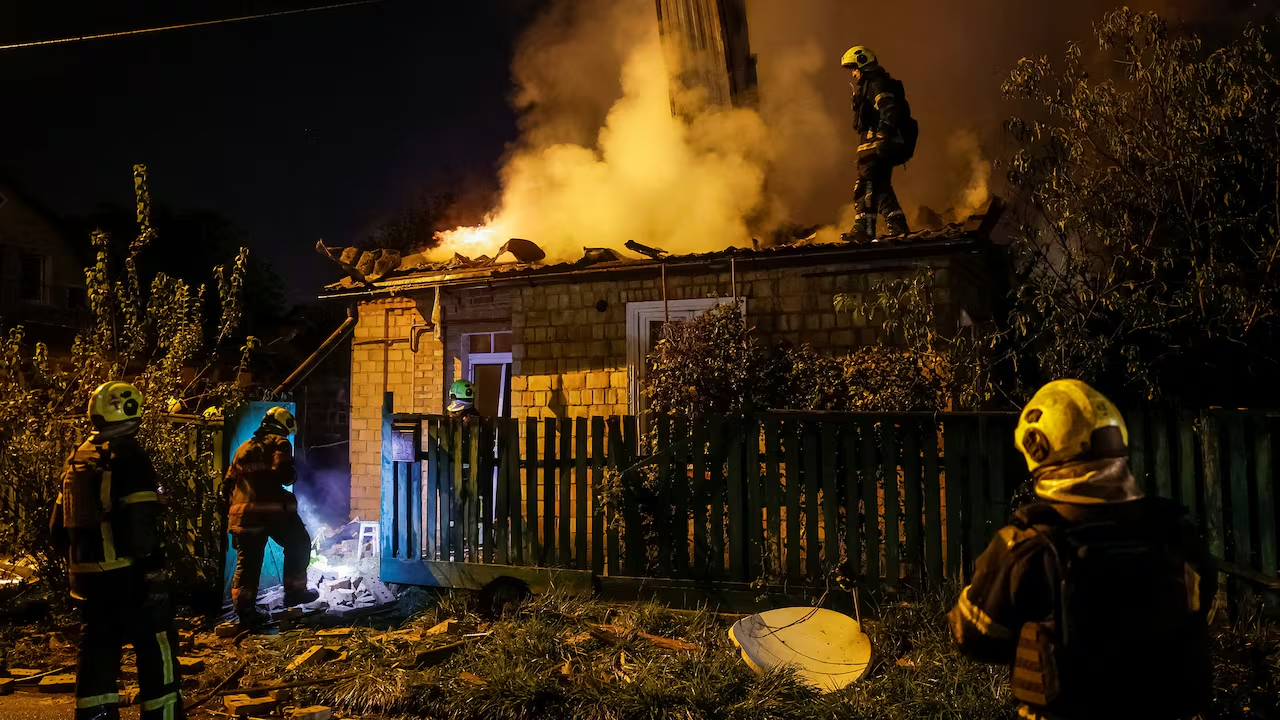
By September 30, Russian drone and missile strikes hit the Kyiv region, killing at least four people, including a child, and injuring others. The strikes also damaged key energy infrastructure, causing disruptions to the power supply in Kyiv and filling parts of the city with smoke.
Ukrainian officials said these were some of the deadliest attacks in recent weeks, with emergency services working to assess the full impact. The strikes targeted both residential and infrastructure sites, adding to the civilian toll and complicating efforts to restore normalcy.
The attacks come as Ukraine prepares for another harsh winter, with concerns that further damage to the power grid could leave many without heat or electricity.
Where it stands
Authorities are still evaluating the aftermath of the strikes, including the number of casualties and the extent of infrastructure damage. Emergency services are working to restore power to affected areas, but repairs may take time.
Ukrainian officials warn that these attacks are likely to continue, especially as Russia appears to be stockpiling weapons for further assaults during the colder months.
What to watch
The situation remains tense as Ukrainian officials brace for more attacks on the power grid and civilian areas. The effectiveness of Ukraine's air defenses will be closely watched, especially as winter increases the stakes for reliable electricity and heat.
More in World
All →
UK and France Scrap 'One In, One Out' Migrant Deal After One Year
The UK and France have officially ended their migrant exchange agreement, raising questions about future cooperation as Channel crossings and migrant returns remain contentious between the two neighbors.
8 sources · today
Caleb Flynn, Former 'American Idol' Singer, Found Guilty of Wife's Murder
A jury convicted Caleb Flynn of murdering his wife Ashley in their Ohio home, ending a high-profile trial that drew national attention due to Flynn's music career and claims of innocence.
11 sources · over 3 days
Court Halts Christa Pike Execution Hours Before Scheduled Lethal Injection
A federal appeals court paused the execution of Christa Pike just before it was set to proceed in Tennessee.
33 sources · over 3 days