Russian Drone Strike Hits Kyiv-Warsaw Train Near Poland Border, Escalating Conflict
A Russian drone attack struck a passenger train near the Ukrainian-Polish border just after Western leaders passed through, raising fears of wider escalation and drawing condemnation from Ukraine and Poland.
By Samuel Adeyemi · First published 14 Sept 2026 · Chapter 2 of 2
Earlier: Death Toll Rises as Russian Strikes Intensify Across Ukraine
In brief
- Russian airstrikes and drone attacks have intensified across Ukraine, with multiple regions hit and civilian casualties reported.
- A Russian drone struck a Kyiv-Warsaw passenger train near the Polish border, minutes after prominent Western officials had passed through the area.
- No injuries were reported from the train attack, but the incident has alarmed Polish authorities and prompted diplomatic concern.
- Ukraine and Poland have called the border-area strikes an escalation, with Ukraine claiming Russia is targeting critical infrastructure and international delegations.
- The situation remains tense, with ongoing hostilities and warnings from Russia about European involvement in the conflict.
Timeline · 7 moments
Russian airstrikes kill civilians across Ukraine
Euronews ↗Putin warns Europe against sending troops to Ukraine
World News - Breaking News, Top Stories ↗Russia launches over 450 drones in overnight assault
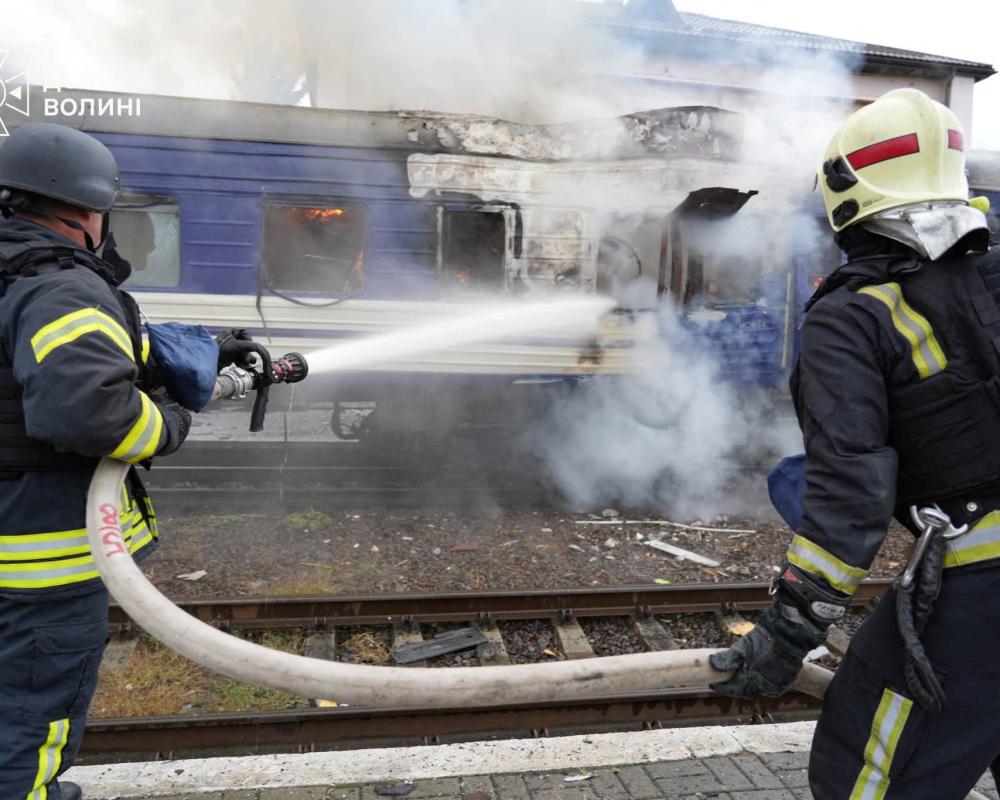
Euronews ↗Russian drone strikes Kyiv-Warsaw passenger train near Polish border
The Guardian ↗Boris Johnson and Western officials narrowly avoid drone strike
South China Morning Post ↗Ukraine and Poland condemn border-area strikes as escalation
© Sergei Supinsky, AFP ↗International alarm grows after drone hits train near NATO border
BBC - Home ↗How it started
The recent escalation in Ukraine began after a brief lull in fighting, when Russia resumed airstrikes on Kyiv and other major cities. These attacks targeted both civilian areas and industrial infrastructure, causing multiple casualties and widespread damage. Ukrainian officials reported deaths and injuries, with some strikes aimed at the country's power grid as winter approaches.
In response, Ukraine launched retaliatory strikes against Russian military targets. Both sides accused each other of intensifying the conflict, and the violence quickly spread to regions near Ukraine's western borders.
How it unfolded
On September 12, several Ukrainian regions suffered deadly Russian attacks, with fatalities reported in Odesa and other cities. Russian President Vladimir Putin warned European leaders that sending troops into Ukraine would be seen as direct conflict with Russia.
By the night of September 12 into September 13, Russia launched over 450 drones in a wide-ranging assault, targeting infrastructure and causing further casualties. Ukrainian President Zelenskyy indicated a willingness to meet with Putin at an upcoming summit, but the Kremlin rejected the proposal.
On September 13, a Russian drone struck a passenger train bound for Warsaw just two kilometers from the Polish border. The strike happened shortly after a train carrying former UK Prime Minister Boris Johnson and other European officials had passed through the same station. No one was injured, but the attack caused alarm in both Ukraine and neighboring Poland.
The incident prompted Poland to call a special crisis meeting, and both Ukrainian and Polish officials described the drone strike as a serious escalation. Ukraine accused Russia of systematically attacking its railway system, especially routes used by international delegations and for critical supplies.
Where it stands
The conflict remains highly volatile, with ongoing Russian airstrikes and Ukrainian counterattacks. Tensions have increased near Ukraine's western border, particularly after the drone attack on the Kyiv-Warsaw train line. No injuries have been reported from the train strike, but the proximity to NATO territory and the presence of Western officials have raised international concern.
Both Ukraine and Poland have condemned the latest strikes as a dangerous escalation. There are growing fears that further attacks near the border could draw neighboring countries, and possibly NATO, deeper into the conflict.
What to watch
Observers are watching for potential new Russian strikes on infrastructure and transportation routes near NATO borders. Diplomatic reactions from Poland, Ukraine, and their allies could influence the next steps, including possible increases in military support or changes in border security. The situation remains unpredictable, with the risk of further escalation if international delegations or cross-border infrastructure are targeted again.
More in World
All →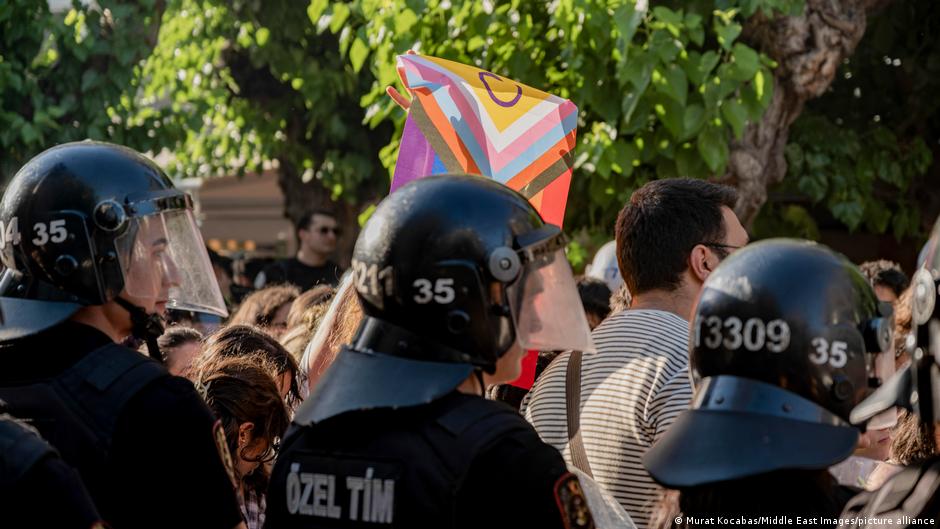
Turkish Police Raid LGBTQ+ Groups and Venues, Detaining Over 160 People
Turkish authorities have launched a nationwide crackdown on LGBTQ+ organizations and activists, detaining at least 162 people and blocking online accounts, raising fears for community rights ahead of national elections.
15 sources · today
At Least 6 Dead, 130 Missing After Indonesian Ferry Sinks
Indonesian officials report the ferry has sunk in the Java Sea, with at least six dead and about 130 people still missing.
43 sources · over 2 days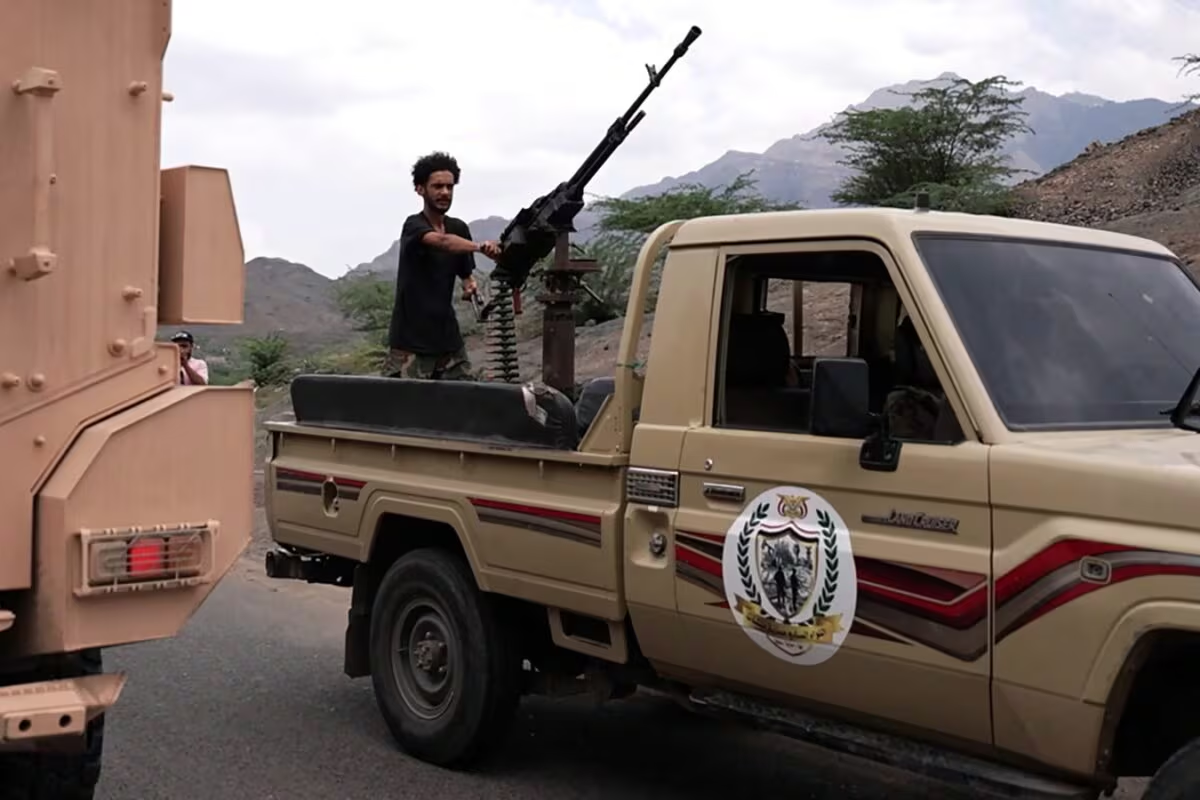
Houthis Seize Bab al-Mandeb as Iranian Ship Hit Near Hormuz
Houthi forces have taken full control of Yemen's Bab al-Mandeb Strait while an Iranian vessel was attacked near the Strait of Hormuz.
76 sources · over 11 days