Singapore Announces Major Salary Increase for Prime Minister and Ministers
For the first time since 2012, Singapore is raising political leaders' salaries, sparking debate about pay, talent retention, and public service transparency.
By Kwame Mensah · First published 9 Sept 2026
In brief
- Singapore is raising its prime minister's annual salary by about $1 million, bringing it to around S$3.6 million.
- Ministerial salaries will increase by up to 9 percent, which is below the review committee's recommendations.
- This is the first adjustment to political leaders' pay since a salary freeze was implemented in 2012.
- Officials say the increases are needed to attract capable leaders and maintain high standards of governance.
- The changes have reignited public debate about the necessity and scale of such salaries for public service roles.
Timeline · 6 moments
Singapore confirms review of political leaders' salaries
World News CNA ↗Prime Minister announces major salary increases for ministers
South China Morning Post ↗Details emerge of PM's salary rising to S$3.6 million
Financial Times ↗Public debate grows over scale and necessity of pay hikes
The Independent ↗Singapore's PM confirmed as world's highest-paid leader after raise
CNBC International ↗International coverage highlights Singapore's unique approach to political pay
cnn.com ↗How it started
Singapore has long set ministerial salaries at some of the highest levels in the world, arguing this helps attract capable leaders and prevent corruption. The salaries had remained unchanged since 2012, when a freeze was put in place amid public concern over high pay for politicians, according to CNA.
Over the years, the government has faced repeated questions about whether these high salaries are justified, especially as the cost of living and economic conditions have changed. Calls for a review grew as the political landscape became more competitive and as younger generations questioned the value of such compensation.
How it unfolded
On September 7, 2026, the government confirmed that a review of political salaries was underway, citing the need to ensure pay keeps pace with changing responsibilities and expectations, as reported by CNA.
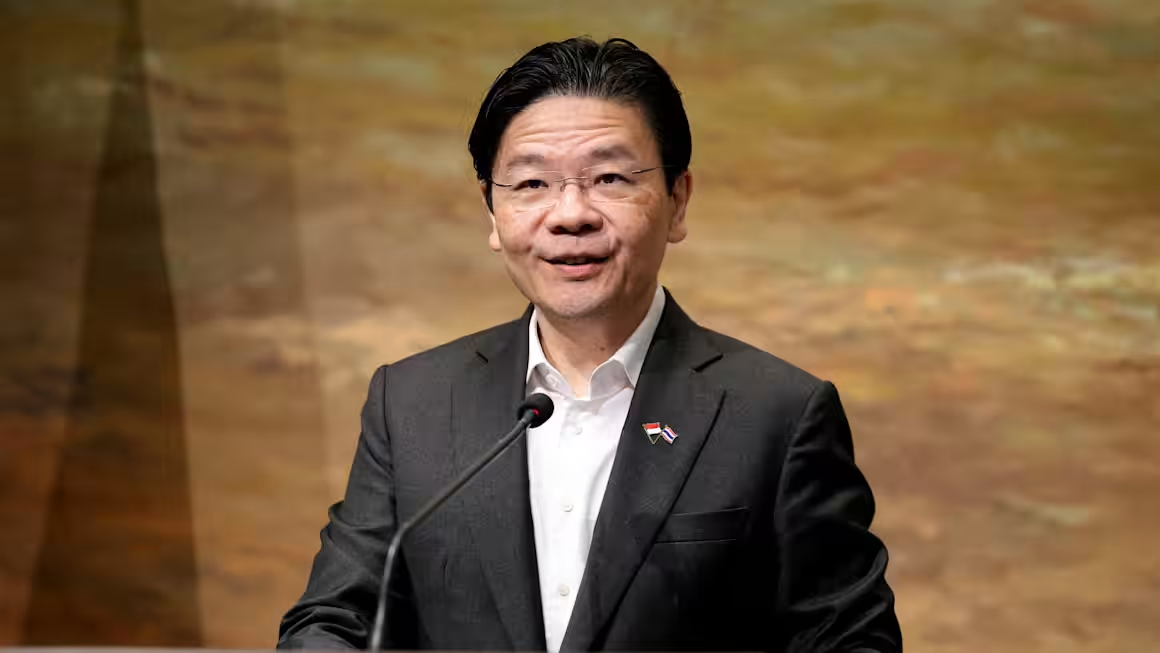
A day later, Prime Minister Lawrence Wong announced a significant pay increase for ministers, with entry-level salaries set to rise from S$1.1 million to S$1.8 million, and his own salary climbing to S$3.6 million per year, according to South China Morning Post and Financial Times.
The government explained that the adjustments were based on a review committee's recommendations, but the increases would be capped at 9 percent for ministers, lower than what the committee suggested. The aim was to balance attracting talent with maintaining public trust.
The announcement quickly triggered public debate, with some defending the move as necessary to draw capable leaders from the private sector, while others criticized the size of the increase and its timing. The Guardian and CNN highlighted that Singapore's political leaders remain the highest paid in the world, making the country an outlier compared to other advanced economies.
Where it stands
The salary increases for Singapore's prime minister and ministers are now official, with the new pay structure set to take effect this year. The government maintains that these adjustments are vital for ensuring good governance and attracting top talent to public service roles.
However, the decision continues to face scrutiny from the public and media, with ongoing discussions about whether such high salaries are justified in the current economic climate.
What to watch
Attention will now turn to how these salary hikes impact public perception and whether they succeed in attracting new talent to Singapore's political scene. Observers will also be watching for any further government responses to criticism or possible adjustments to the pay structure in the future.
More in Politics
All →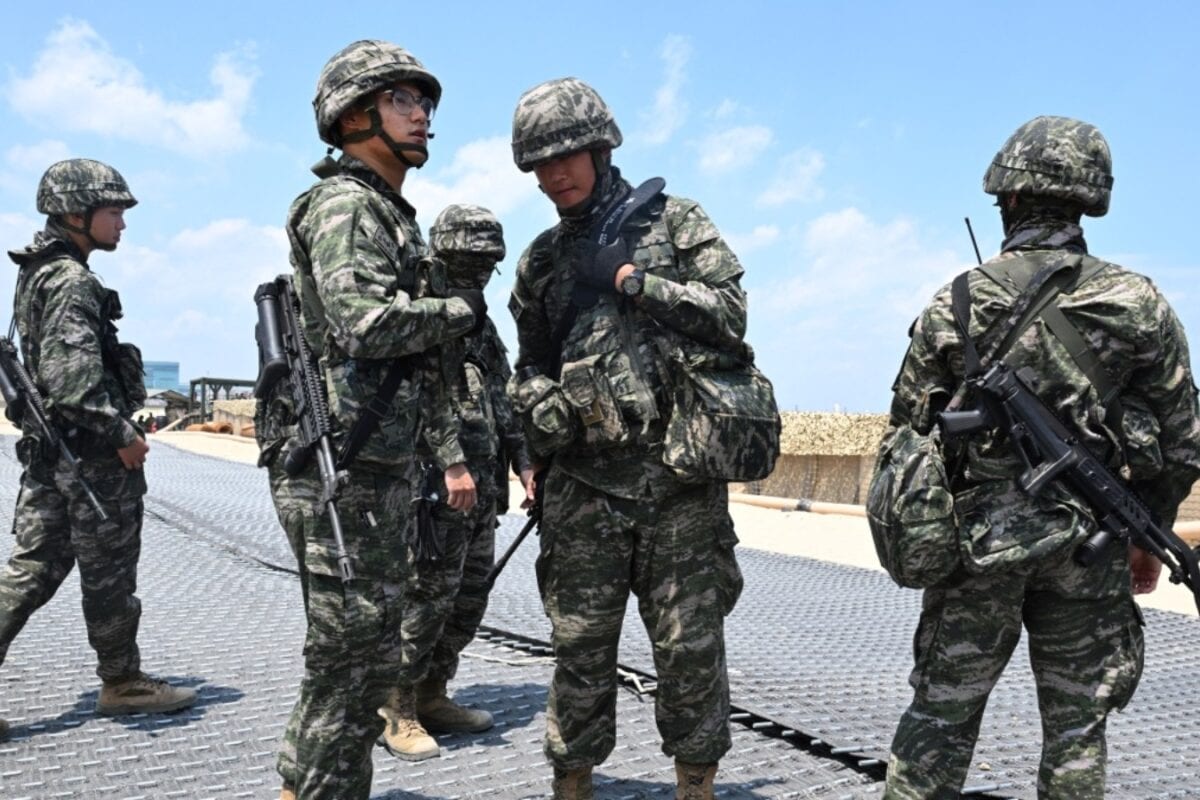
South Korea Prepares Military Deployment to Strait of Hormuz Amid US Pressure
South Korea is moving toward sending military assets to the Strait of Hormuz after calls from the United States for greater regional security contributions.
20 sources · over 6 days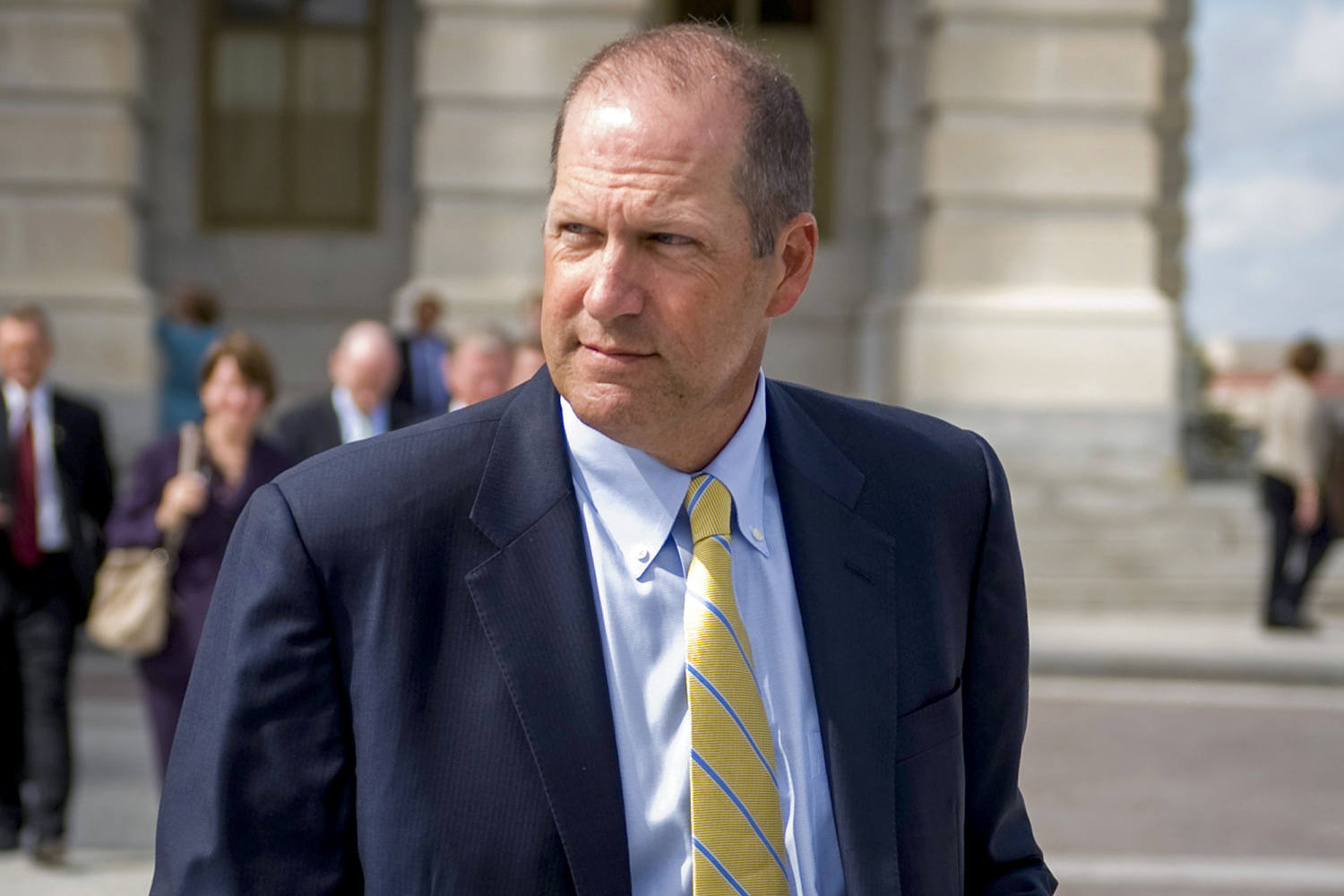
Chris Pappas and John Sununu Win New Hampshire Senate Primaries, Setting Up High-Stakes Race
New Hampshire's open Senate seat will see Democrat Chris Pappas and Republican John Sununu compete in November, a contest seen as crucial for control of the Senate.
8 sources · today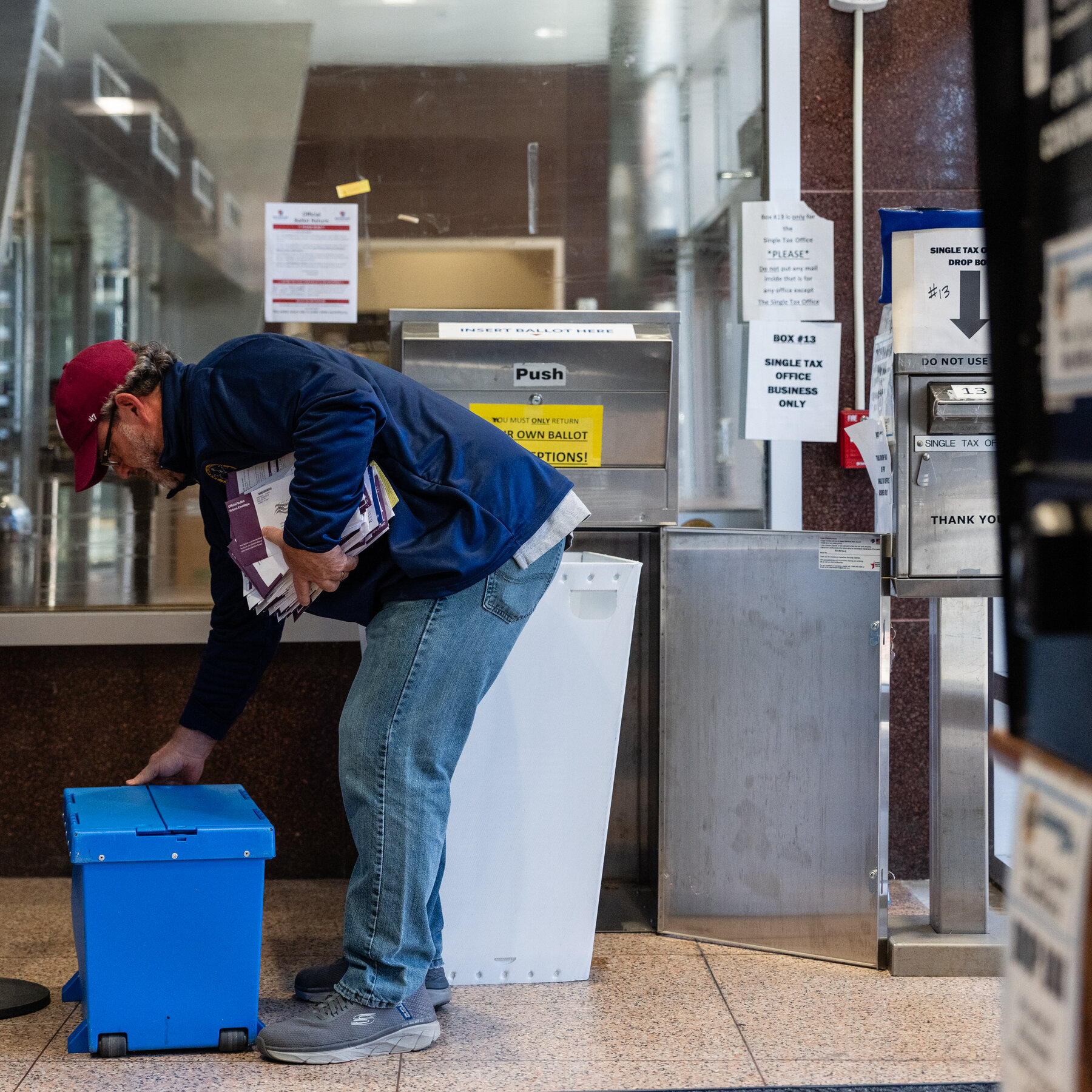
Trump Administration Appeals Supreme Court to Reinstate Mail-In Voting Restrictions
With midterm ballots already being sent out, the Trump administration is urgently seeking Supreme Court approval to enforce new mail-in voting rules that lower courts blocked over fears of voter disenfranchisement.
28 sources · over 6 days