Supreme Court Split on Referring Election Commission Selection Law Pleas to Constitution Bench
A divided Supreme Court has yet to decide if petitions challenging the new law on Election Commission appointments will be reviewed by a larger, five-judge bench.
By Elena Petrova · First published 23 Sept 2026
In brief
- The Supreme Court considered petitions contesting the law for appointing the Chief Election Commissioner and other Commissioners.
- Justices on the bench disagreed on whether these pleas should go to a larger Constitution Bench for review.
- The law in question changes the process for selecting India's top election officials, a move that has drawn public and political scrutiny.
- Arguments included concerns about government influence over the selection process and the independence of the Election Commission.
- The Supreme Court has not issued a final ruling and the case remains under consideration, with the next steps pending.
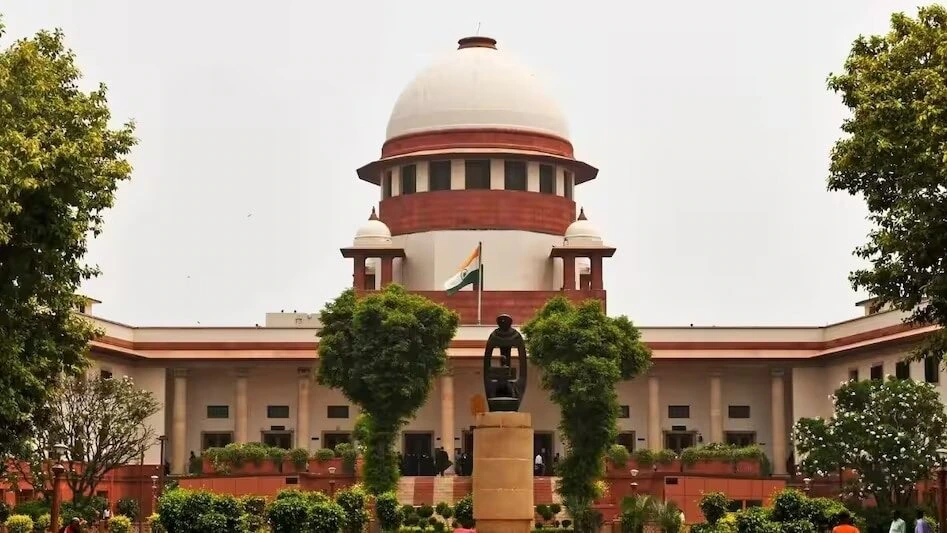
Timeline · 4 moments
Supreme Court bench splits on referring EC law challenge
India Today ↗Supreme Court refers EC appointment law petitions to Constitution Bench
Mint ↗Justice Datta questions minister's role in EC selection panel
Business Line - Home ↗Solicitor General cites collegium system, draws reaction from bench
NDTV Top Stories ↗How it started
The controversy began when the Indian government introduced a new law changing how the Chief Election Commissioner and other Election Commissioners are appointed. This law shifted the balance in the selection panel, giving the government more influence over the appointments. Several petitions were filed in the Supreme Court challenging this law, raising concerns about the independence of the Election Commission. Petitioners argued that the new process could undermine free and fair elections by allowing the executive branch greater control over the poll body.
How it unfolded
On September 23, 2026, the Supreme Court held hearings to decide if these petitions should be referred to a larger, five-judge Constitution Bench. The bench of justices was divided on this procedural question, leading to a split verdict. During the hearing, one of the justices, Justice Dipankar Datta, expressed doubts about the impartiality of a minister serving on the selection panel, stating that a minister 'cannot be expected to defy the Prime Minister.' The government's lawyer, Solicitor General Tushar Mehta, responded by comparing the process to the judicial collegium system, which selects judges, but this drew a sharp reaction from the bench. The justices' disagreement means no definitive ruling was made on whether the Constitution Bench will review the case. As a result, the matter remains unresolved and under further consideration.
Where it stands
Currently, the Supreme Court has not decided if the petitions will move to a larger Constitution Bench. The split among the justices highlights ongoing concerns regarding the independence of the Election Commission and the role of the government in appointing its members. The case is still active, and the Court's next steps are awaited.
What to watch
The Supreme Court will need to resolve the split and decide if a five-judge Constitution Bench will hear the matter. The outcome could shape how future Election Commissioners are appointed and impact the perceived independence of India's top poll body.
More in Politics
All →
Opposition Demands Removal of Chief Election Commissioner Over Alleged EC Dissent
Political tensions have surged after reports of internal objections within the Election Commission, prompting calls for Chief Election Commissioner Gyanesh Kumar's impeachment and a strong institutional response.
11 sources · today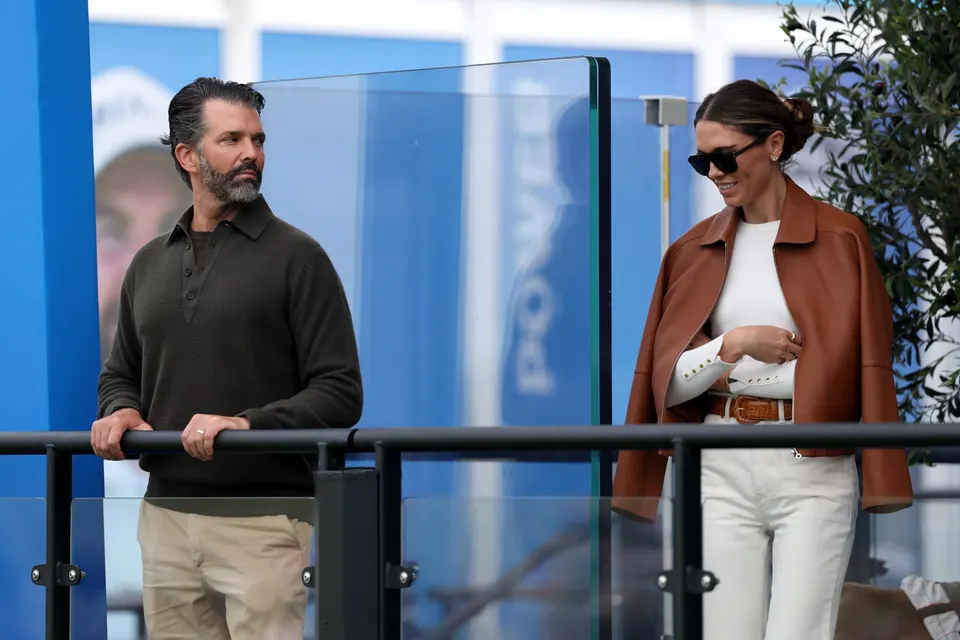
Senator Seeks Inquiry Into Russian Oligarch Funding Trump Jr. Wedding
A Republican senator's call for an investigation into Donald Trump Jr.'s wedding funding by a Russian oligarch has raised bipartisan concerns about foreign influence and potential national security risks.
15 sources · over 2 days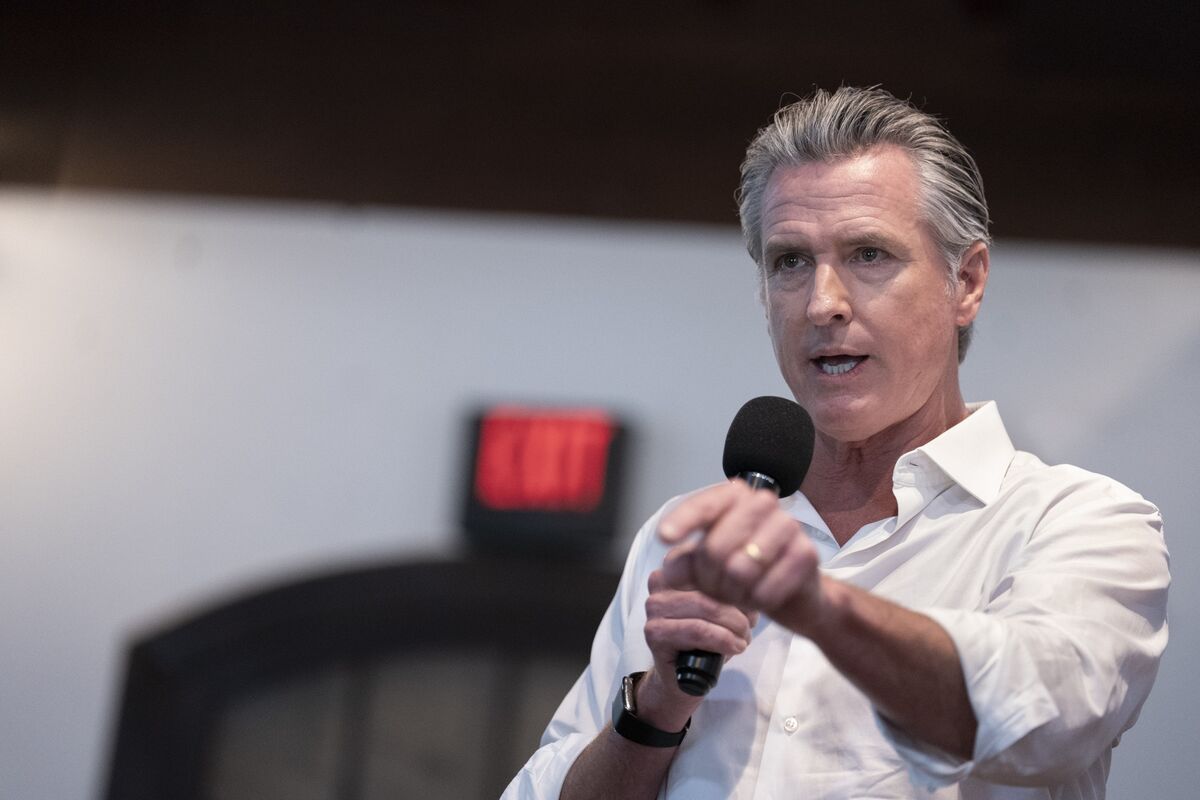
California Governor Orders AI Safety Review and Proposes Industry 'Kill Switch'
Governor Gavin Newsom has ordered a sweeping review of artificial intelligence oversight, including the possible requirement of a 'kill switch,' as California takes a lead in regulating AI technology.
25 sources · over 5 days