Surendra Koli, Acquitted in Nithari Killings, Dies by Suicide in Haridwar
Surendra Koli, recently acquitted in the infamous Nithari serial killings, was found dead by suicide in Haridwar, raising questions about justice and mental health support.
By Isabel Navarro · First published 18 Sept 2026
In brief
- Surendra Koli, previously accused in the 2006 Nithari serial killings, was found dead by suicide in Haridwar.
- Koli had spent nearly 20 years in prison and was acquitted by the Supreme Court in November 2025.
- After his release, he worked as a tea vendor in Haridwar before his death was discovered inside his tea stall.
- Police are investigating the circumstances surrounding his death, which comes less than a year after his acquittal.
- Koli's case had drawn national attention due to the gruesome nature of the crimes and the lengthy legal battle.
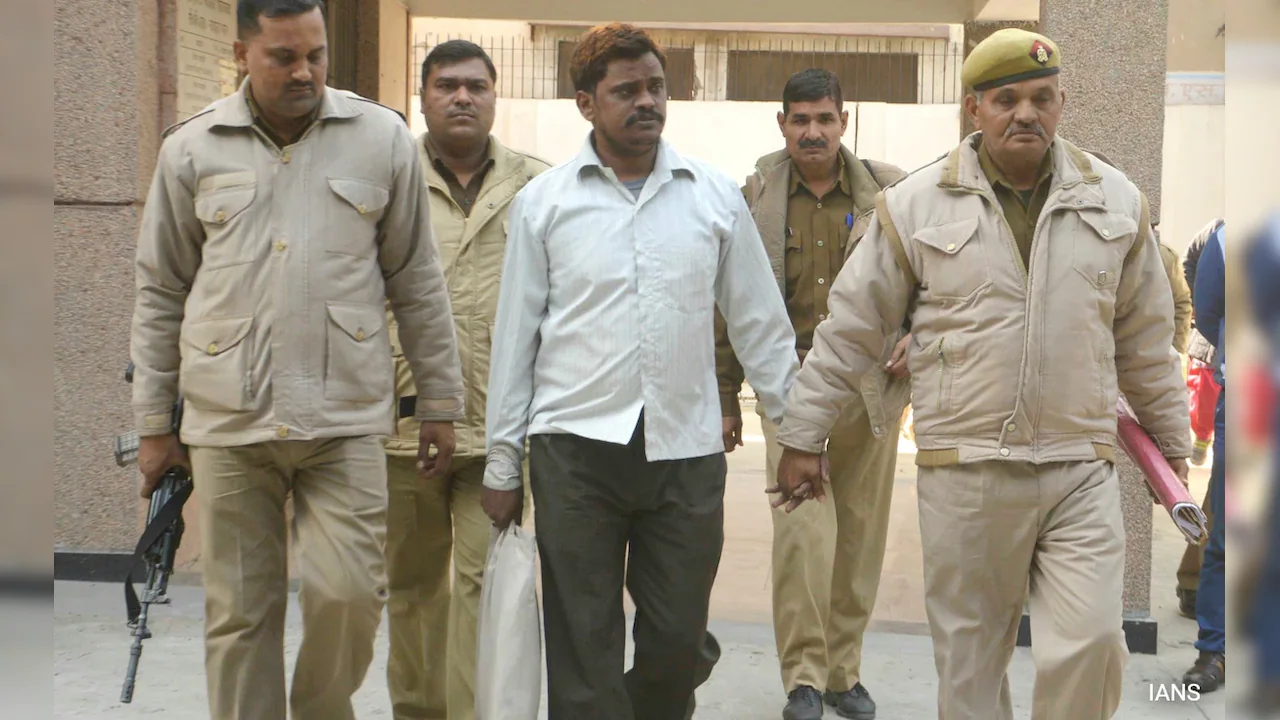
Timeline · 3 moments
Nithari serial killings first discovered in Noida
Indian Express ↗Surendra Koli acquitted by Supreme Court in last Nithari case
India News ↗Surendra Koli found dead by suicide in Haridwar tea stall
NDTV India ↗How it started
The Nithari serial killings came to light in 2006, shocking India with the discovery of multiple child victims in Noida. Surendra Koli, a domestic worker, was arrested and accused of involvement in the murders. The investigation and subsequent trials were highly publicized, focusing on the brutality of the crimes and the failures of law enforcement.
Koli was convicted and sentenced to death in several cases, while his co-accused, Moninder Singh Pandher, also faced charges. Over the years, questions were raised about the evidence and confessions, leading to appeals and reviews in higher courts.
How it unfolded
Koli spent nearly 20 years in jail, much of it on death row. According to reports, he narrowly escaped execution before the Supreme Court intervened. In November 2025, the Supreme Court acquitted Koli in the last pending case, citing insufficient evidence. He was subsequently released after two decades behind bars.
After his release, Koli moved to Haridwar and began working as a tea vendor. On September 18, 2026, police found him dead inside his tea stall in Haridwar. Authorities described the circumstances as a suicide and have launched an investigation into the case.
Koli's death has renewed public discussion about the Nithari killings, the justice system's handling of the case, and the mental health effects of long-term incarceration. Some reports noted the lack of support for those acquitted after high-profile trials.
Where it stands
As of now, police are investigating the details of Koli's death, while the public and media revisit the unresolved questions surrounding the Nithari killings. Koli's story has highlighted the profound personal costs of lengthy legal battles and the challenges faced by those acquitted after years in prison.
The case remains a touchstone in debates about criminal justice reform and support for individuals who have been cleared of serious charges but remain stigmatized.
What to watch
Investigators are expected to release more information about the circumstances of Koli's death. The case is likely to prompt renewed calls for reforms in how the justice system treats those acquitted after long incarcerations and for mental health support for such individuals.
More in World
All →
Three Dead Including Gunman in Banga National High School Shooting
A student killed two schoolmates and then himself at Banga National High School, with police confirming three dead.
20 sources · today
Suicide Truck Blast Kills 16 at Mosque in Kohat, Pakistan
A deadly suicide bombing struck a mosque in Kohat during Friday prayers, killing at least 16 people and injuring over 50, raising urgent concerns over security in northwest Pakistan.
8 sources · today
Italian Eurofighter Damaged in Attack on Saudi Ta'if Air Base Amid Regional Tensions
An Italian fighter jet was hit during a recent attack on a Saudi air base, highlighting growing security concerns for international military missions in the region.
8 sources · today