Swiss Glaciers Lose Record Ice in 2026 Amid Extreme Heat and Low Snowfall
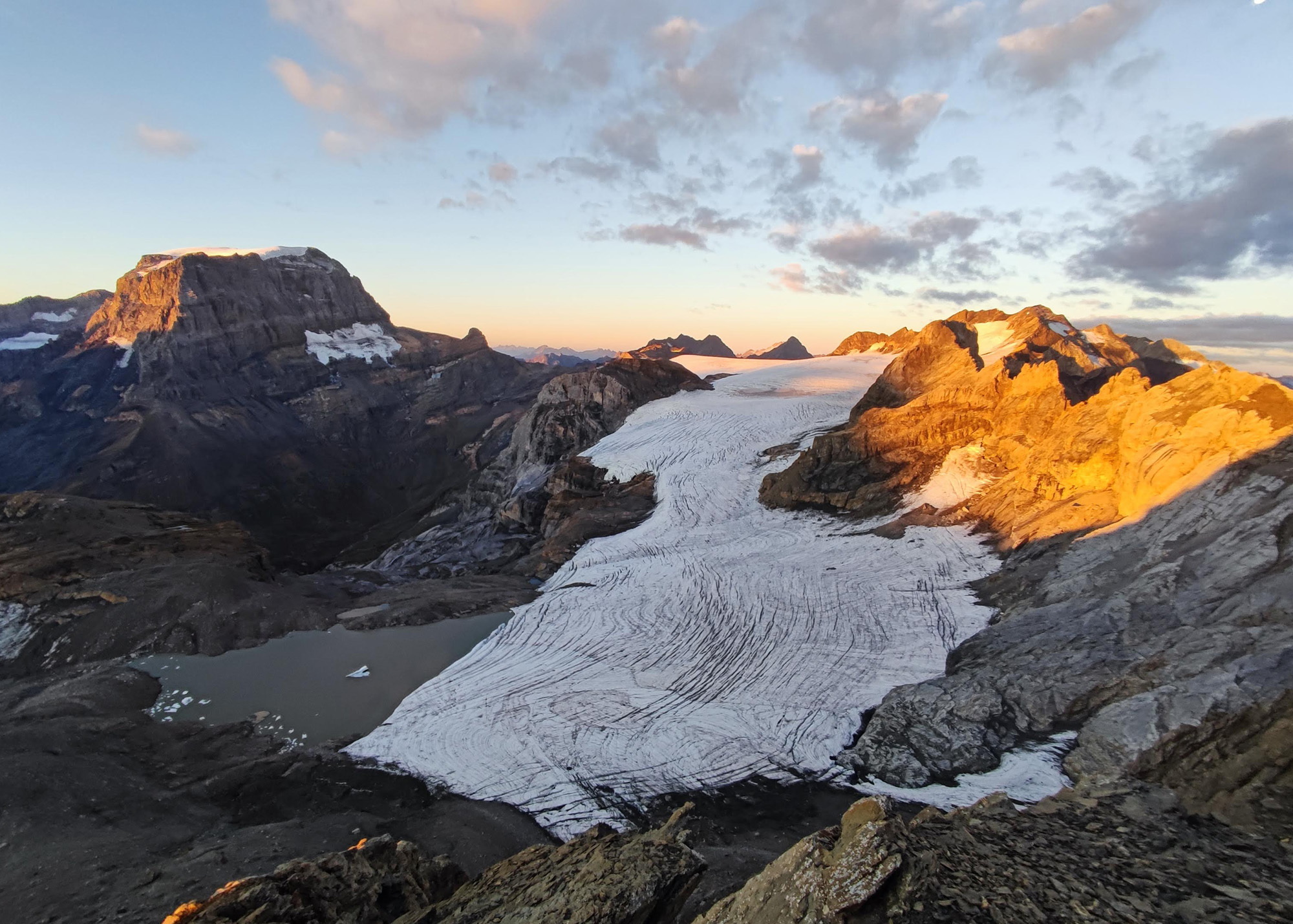
Swiss glaciers lost more than 5 percent of their ice in 2026, marking the second-largest melt on record and raising urgent concerns about water supplies and climate change.
By Hushread Stories, written with AI from 15 outlets · First published 1 Oct 2026
In brief
- Swiss glaciers lost over 5 percent of their ice volume in 2026 due to extreme summer heat and low snowfall.
- Over the last five years, nearly 20 percent of Swiss glacier mass has disappeared, according to scientific monitoring groups.
- The summer of 2026 was among the hottest in Switzerland since records began in 1864, accelerating glacier melt.
- Experts warn the rapid glacier loss threatens local water supplies, ecosystems, and communities across Europe.
- Scientists say if current trends continue, many Swiss glaciers could vanish entirely within the next 10 to 15 years.
Timeline · 6 moments
Swiss glaciers lose over 5 percent of ice in 2026
NPR - Middle East ↗Glacier thickness drops by up to 4 meters in one year
Phys.org ↗Scientists call 2026 glacier melt 'disastrous' for water supplies
BBC News - Science & Environment Science ↗Switzerland records second-largest glacier melt since measurements began
DIE ZEIT | Nachrichten, News, Hintergründe und Debatten ↗2026 saw the hottest Swiss summer since 1864
Franceinfo ↗Experts warn some glaciers could vanish in 10-15 years
Deutsche Welle ↗How it started
Switzerland's glaciers have long been seen as vital sources of water and natural beauty. In recent years, however, scientists began to warn that climate change was accelerating their decline.
By 2022, Swiss glaciers were already experiencing historically high melt rates. A combination of warmer temperatures and less winter snowfall set the stage for even more dramatic losses in the years that followed.
How it unfolded
In early 2026, experts noted that winter snowfall was unusually low across the Swiss Alps. This left glaciers exposed and vulnerable as the summer approached.
From June to August 2026, Switzerland endured some of its hottest summer months since 1864. The heat, combined with the lack of protective snow cover, caused glacier ice to melt rapidly. By September, scientific organizations reported that more than 5 percent of the total glacier ice volume had vanished in a single year.
According to monitoring groups, the thickness of many glaciers decreased by 2.5 to 4 meters during 2026 alone. Researchers described the losses as catastrophic and unprecedented in modern measurements.
By the end of September, reports confirmed that Swiss glaciers had lost nearly 20 percent of their total mass in just five years. Scientists emphasized that this rapid decline was no longer surprising given the pace of climate change.
Where it stands
As of late 2026, Switzerland's glaciers are at their second-lowest recorded ice volume, with only the melt year of 2022 being worse. The sustained loss of glacier mass is now threatening water supplies for communities and ecosystems that depend on glacial runoff.
Researchers warn that if current trends continue, many of Switzerland's glaciers could disappear within the next decade or two. The situation has become a stark indicator of the broader impacts of global climate change on natural systems.
What to watch
Scientists will closely monitor snowfall and temperature patterns in the coming winters and summers to see if the rapid melting continues or slows down. Policymakers may also face increased pressure to take action as water supply concerns and environmental impacts become even more urgent.
More in Environment
All →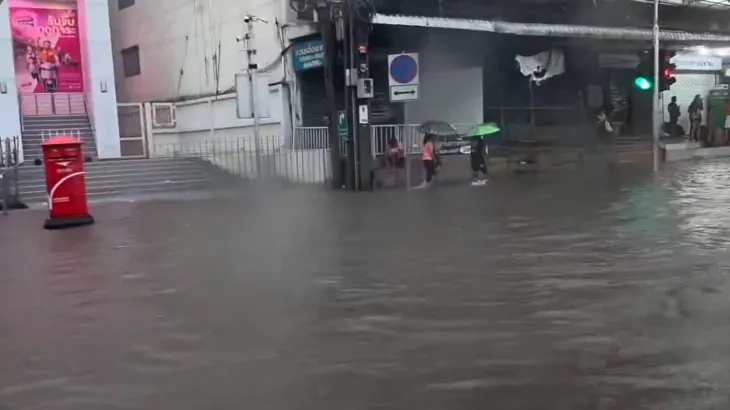
Bangkok Floods: Rain Eases But Death Toll And Damage Rise
Floodwaters are receding and rain has eased in Bangkok, but the disaster declaration remains as the death toll and damages increase.
32 sources · over 5 days
Five Arrested on Terrorism Suspicion After RAF Fairford Incident
Five men were arrested on suspicion of preparing a terrorist act after suspicious vehicles were stopped near RAF Fairford.
55 sources · over 4 days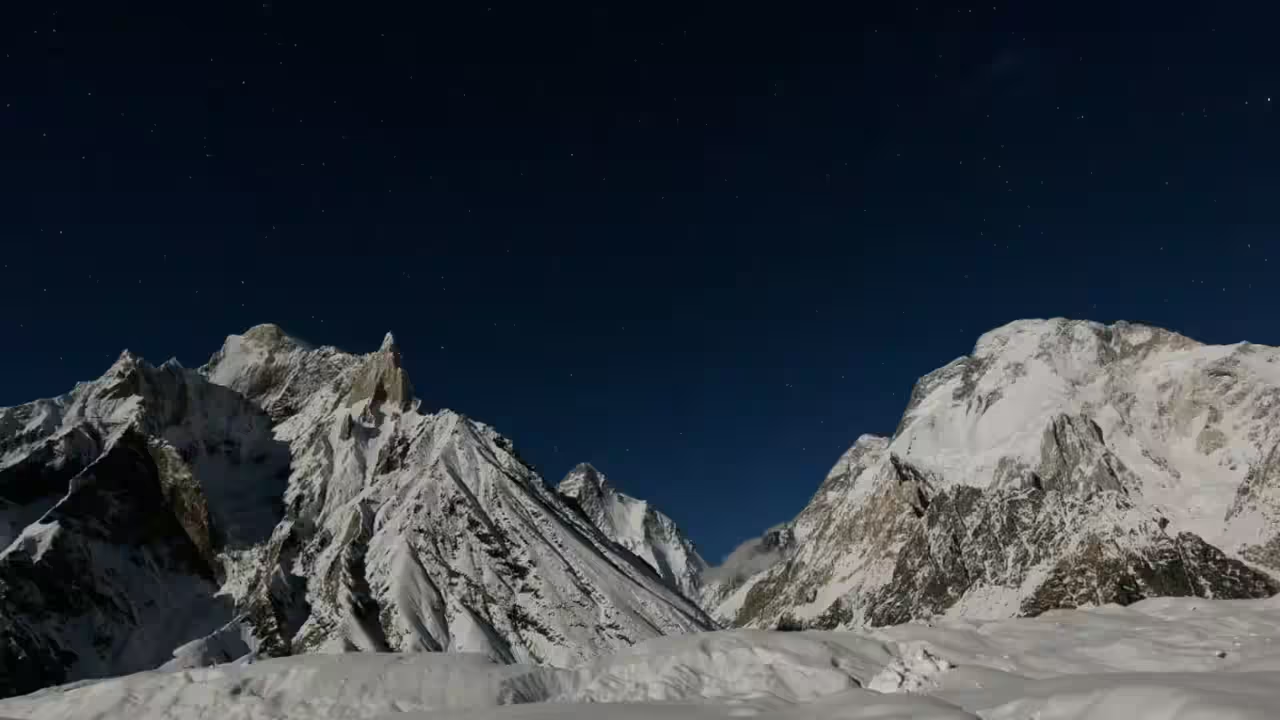
Death Toll Rises in Nepal's Himlung Himal Avalanche, Several Still Missing
At least two people have died and up to 14 remain missing after an avalanche hit Himlung Himal base camp in Nepal.
11 sources · over 2 days