Trump Administration Approves $2.8 Billion Sale of 40,000 Bombs to Israel
The U.S. government has approved a major arms deal sending tens of thousands of powerful bombs to Israel, drawing international attention due to the scale and timing amid ongoing regional tensions.
By Mei-Ling Chao · First published 16 Sept 2026
In brief
- The Trump administration authorized a $2.8 billion munitions package for Israel, featuring 40,000 bombs including 2,000-pound models.
- This deal is the largest single recent sale of such heavy munitions and is funded by U.S. taxpayer dollars.
- The package includes 20,000 MK-84s, 20,000 BLU-117s, and 20,000 I-2000 penetrator warheads, according to multiple reports.
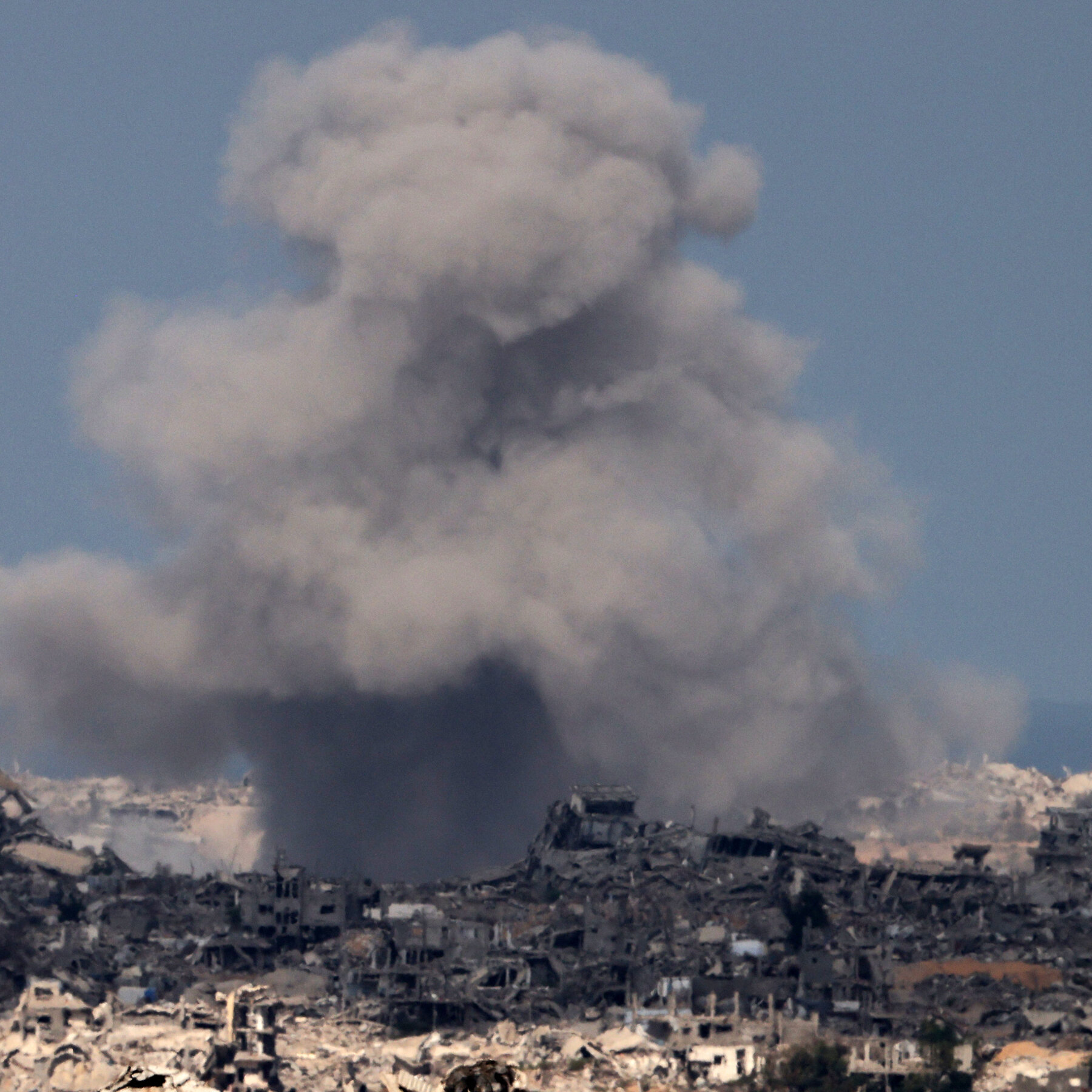
- Concerns have been raised internationally about the potential use of these weapons in densely populated areas, especially Gaza.
- The Biden administration is reported to have paused parts of the deal due to humanitarian concerns, but the arms transfer remains a live issue.
Timeline · 5 moments
Trump administration plans $2.8 billion munitions sale to Israel
Arab News ↗Package includes 40,000 one-ton bombs, making it one of the largest sales
The New York Times ↗Bomb types detailed: MK-84s, BLU-117s, and I-2000 penetrators
NDTV News - World-news News ↗International concern grows over possible mass casualties in Gaza
Latest news, sport and opinion from the Guardian ↗Biden administration pauses parts of the deal due to humanitarian concerns
The Hindu ↗How it started
Early in September 2026, reports emerged that the Trump administration was planning a large-scale arms sale to Israel. The proposed deal was valued at $2.8 billion and centered on the transfer of tens of thousands of heavy bombs.
Sources cited by several outlets described the munitions as some of the most destructive in Western military arsenals. The scale of the package marked it as one of the largest such transfers in recent years.
How it unfolded
On September 15, 2026, initial stories revealed that the deal would include 2,000-pound bombs, with the total package reaching 40,000 units. The funding was reported to come from U.S. taxpayer money through Foreign Military Financing.
Further details published the same day clarified the bomb types: 20,000 MK-84s, 20,000 BLU-117s, and 20,000 I-2000 penetrator warheads. These are among the most powerful conventional bombs used by Western militaries.
By September 16, more outlets confirmed the approval, noting that the arms deal coincided with ongoing conflict in Gaza. Some reports highlighted international criticism and fears of mass casualties if such weapons were used in civilian areas.
According to more recent coverage, the Biden administration responded to the controversy by pausing aspects of the deal, citing humanitarian concerns as fighting in Gaza continued. The deal remains under scrutiny, with no final resolution announced.
Where it stands
As of mid-September 2026, the Trump administration's approval of the $2.8 billion arms deal is official, but the future of the delivery is uncertain. The Biden administration has paused parts of the transfer in response to concerns about civilian harm in ongoing conflicts involving Israel.
The deal is now subject to further review, and its implementation will depend on political and humanitarian considerations in the coming weeks.
What to watch
Key questions remain about whether the full delivery of these munitions will proceed or face additional delays. The U.S. administration is under pressure from both supporters of Israel and critics worried about civilian casualties. The outcome will likely depend on developments in the Gaza conflict and ongoing political debate in Washington.
More in Politics
All →
A Year After Charlie Kirk's Assassination, Memorials and Tensions Mark His Legacy
One year after Charlie Kirk was shot at Utah Valley University, his death continues to divide conservatives and spark debate over political violence, campus speech, and institutional accountability.
14 sources · over 7 days
Canada Pursues Closer Ties with EU as US Trade Dispute Deepens
Canada's prime minister is seeking an unprecedented partnership with the European Union, aiming to reduce economic reliance on the United States amid escalating tariffs and political tensions.
38 sources · over 4 days
Piddington Village Declares Independence to Protest Asylum Housing Plan
Residents in Piddington, Oxfordshire, held a symbolic referendum and declared independence in protest against government plans to house over 1,200 asylum seekers nearby.
8 sources · over 2 days