Trump Administration Rolls Back Biden-Era Fuel Economy and EV Mandates
The Trump administration has loosened federal fuel economy standards for new cars, ending Biden-era electric vehicle mandates and setting the stage for increased fuel use and emissions nationwide.
By Hannah Lindqvist · First published 28 Sept 2026
In brief
- The Trump administration has officially reversed stricter fuel economy standards set during the Biden presidency.
- The new rules remove a mandate that pushed automakers to increase electric vehicle production in the coming years.
- Federal projections show the average fuel economy target will fall to 34.9 miles per gallon by 2031.
- This rollback is expected to increase gasoline consumption and emissions compared to previous targets.
- Critics argue the changes could harm the environment, while supporters say it will lower car prices for consumers.
Timeline · 5 moments
Trump announces rollback of Biden-era fuel economy standards
Politico ↗Trump administration says it will end electric vehicle mandate
Al Jazeera ↗Automakers given more freedom to build gas-powered vehicles
New York Post ↗New fuel economy standards officially released by administration
Mint ↗Federal estimates show new average fuel economy target is 34.9 mpg by 2031
CBS Top Stories ↗How it started
During the Biden administration, the federal government implemented strict fuel economy standards for new cars and light trucks. These rules aimed to accelerate the shift to electric vehicles and reduce greenhouse gas emissions. The standards included a mandate that required automakers to steadily increase the share of electric vehicles in their fleets. Industry groups and some politicians criticized these rules, arguing they were too aggressive and would drive up vehicle prices for American consumers.
How it unfolded
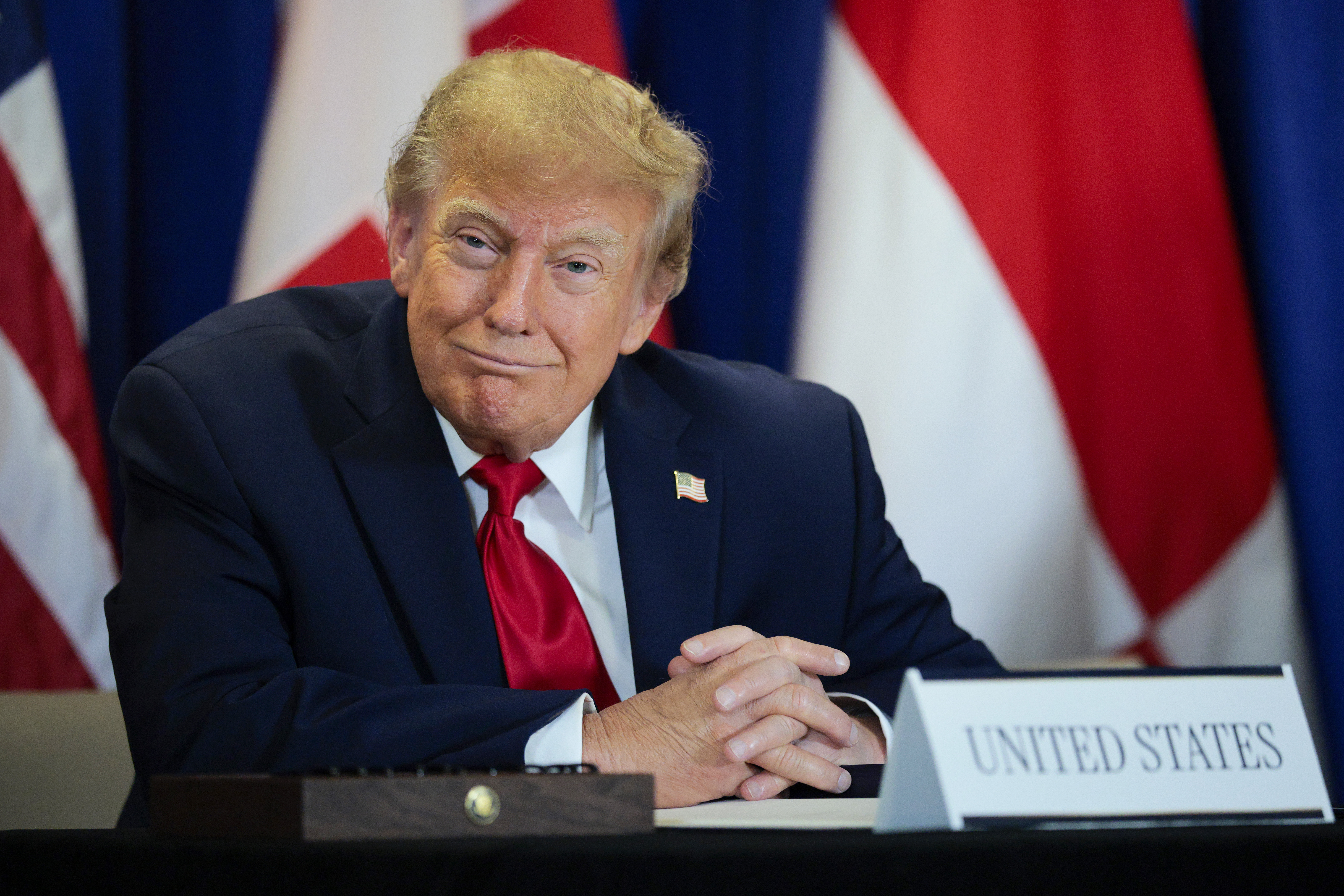
On September 26, 2026, President Donald Trump announced that his administration would roll back the Biden-era fuel economy standards. He stated that the changes would eliminate what he called the 'EV mandate,' which required automakers to prioritize electric vehicles.
In the days following the announcement, several major outlets reported details of the new standards. The rules relax the requirements for average fuel efficiency, giving automakers more flexibility to produce gas-powered vehicles. According to government estimates, the average fuel economy target will drop from over 50 miles per gallon by 2031, as set by the previous administration, to about 34.9 miles per gallon under the new rules.
The Trump administration argued that the rollback would make cars more affordable and provide consumers with more choices. However, environmental groups and some experts warned that the changes could lead to higher fuel consumption and increased emissions in the coming years.
Automakers are expected to adjust their production plans in response to the new standards, potentially slowing the adoption of electric vehicles in the United States.
Where it stands
The new fuel economy standards are now in place, replacing the stricter requirements enacted under the Biden administration. Automakers can expect more lenient targets for both fuel efficiency and electric vehicle production in the coming years. The move has sparked debate between those who support more consumer choice and lower costs, and those who worry about the environmental impact of increased gasoline use. Federal agencies estimate that the new standards will lead to higher emissions compared to the previous rules.
What to watch
Legal challenges from environmental groups or some states are possible, given the major change in federal policy. The auto industry's response, including shifts in production and marketing, will also become clearer in the months ahead as companies adjust to the new standards.
More in Business
All →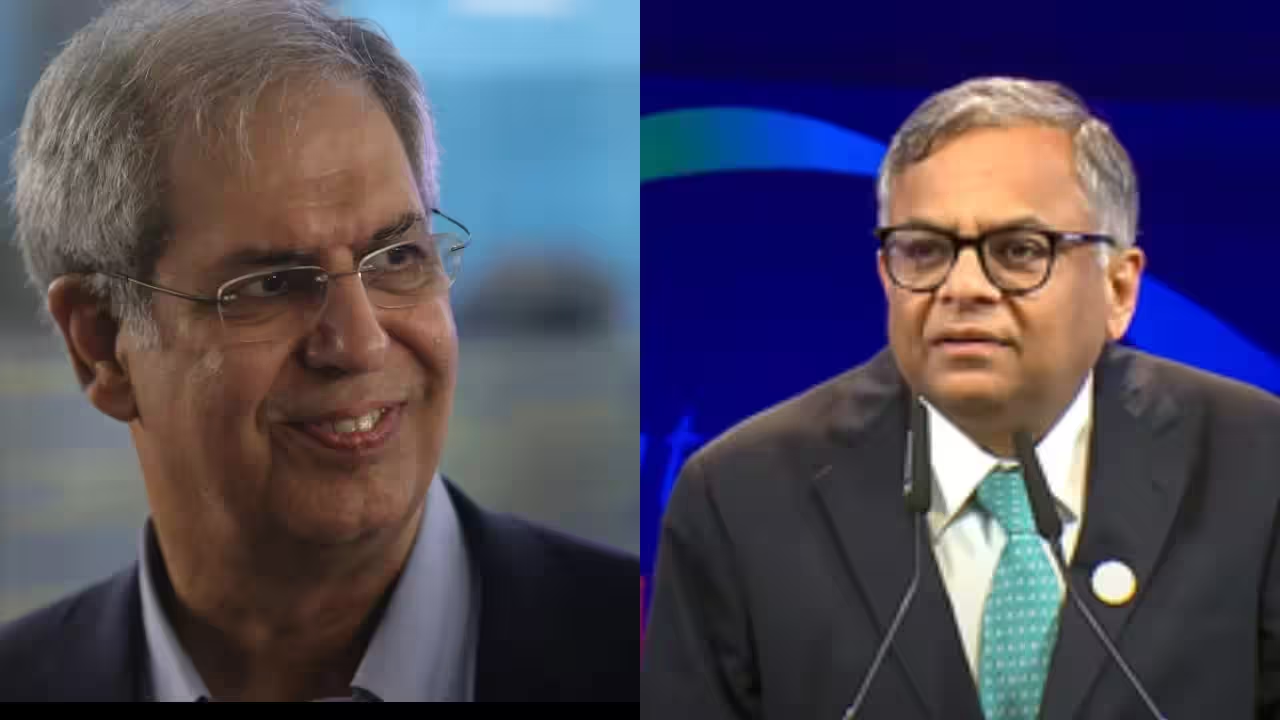
Tata Trusts Propose Merger of Two Units Into Tata Sons to Avoid Listing
Tata Trusts have outlined a merger plan involving Tata Electronics and Tata Consulting Engineers with Tata Sons, aiming to restructure the conglomerate and bypass regulatory requirements for public listing.
8 sources · today
Nvidia Announces Historic $150 Billion Share Buyback Amid AI Growth Surge
Nvidia has expanded its share repurchase program by $150 billion, reflecting confidence in its future as AI-driven revenues continue to boost the chipmaker's cash reserves.
15 sources · today
US and China Double Tariff Cuts to $60 Billion in New Deal
Both countries have expanded their tariff reduction agreement to cover $60 billion in goods, with updated product lists now public.
18 sources · today