Trump and Major Tech Leaders Sign Voluntary AI Safety Accord at White House
Donald Trump and top US tech executives have agreed to a voluntary pact on AI safety, raising questions about enforcement and industry self-regulation as artificial intelligence evolves rapidly.
By Hushread Stories, written with AI from 14 outlets · First published 30 Sept 2026
In brief
- President Trump and leaders from several major technology companies signed a voluntary agreement to promote AI safety guidelines in the US.
- The accord is described as 'morally binding' but does not carry legal enforcement or clear penalties for non-compliance.
- The pact includes commitments to internal controls, independent audits, and board oversight of artificial intelligence systems.
- Experts and critics are concerned about the lack of standardization and the effectiveness of self-regulation in addressing AI risks.
- Discussions are ongoing, with regulators and stakeholders debating whether voluntary measures are enough or if stricter laws are needed.
Timeline · 5 moments
Trump signs order rebranding AI as 'super intelligence'
Technology ↗Trump announces 'morally binding' AI safety accord with tech leaders
Politico ↗Experts question lack of enforcement in AI safety pact
The Hindu - Technology ↗White House publishes voluntary AI safety accord signed by tech CEOs
SiliconANGLE ↗FTC continues investigating AI companies despite voluntary accord
Reason ↗How it started
Concerns about the rapid development of artificial intelligence have grown over the past year, especially regarding safety, security, and ethical use. The US government has faced increasing pressure to ensure that AI technologies do not pose risks to society or national security. In this climate, President Donald Trump began seeking ways to address AI safety, focusing on industry-led solutions rather than immediate regulation.
How it unfolded
On September 29, 2026, President Trump signed an executive order renaming artificial intelligence as 'super intelligence', signaling a shift in how the administration views the technology, according to Technology.
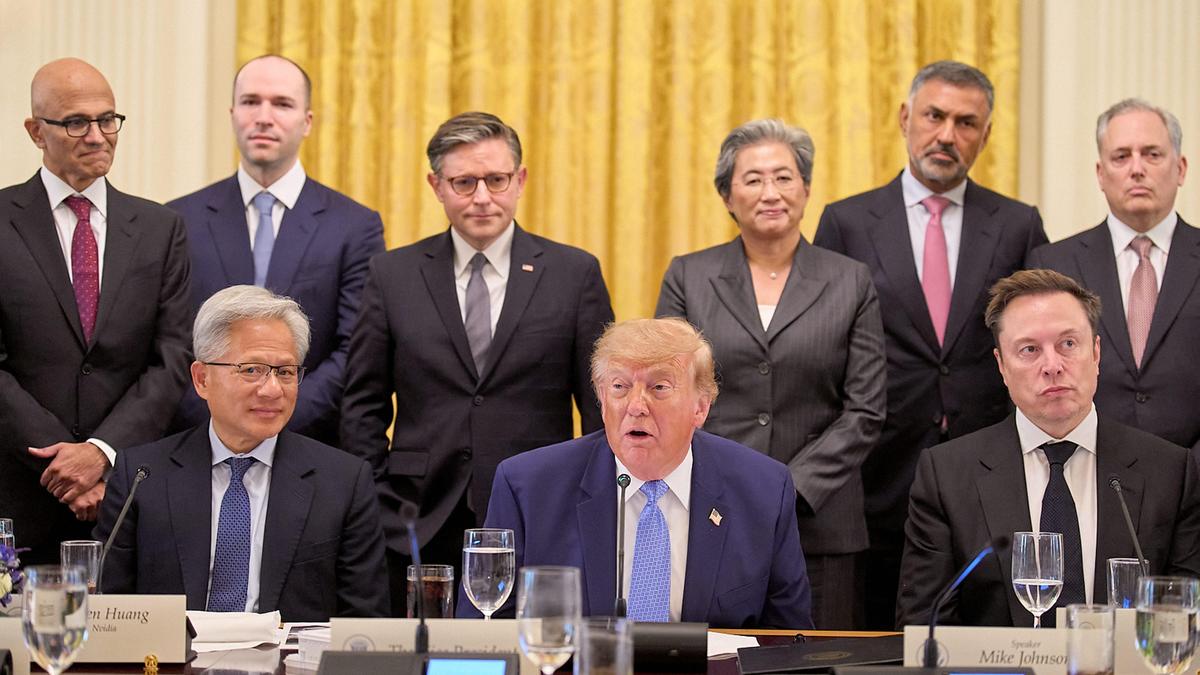
The same day, Trump met with leading tech executives at the White House, where he announced that they had signed a 'morally binding' AI safety accord. The agreement was presented as a constitution for industry self-regulation and was discussed publicly after a White House lunch, as reported by Politico.
By September 30, details of the accord emerged. It calls for internal controls, independent audits, and board-level oversight of AI systems. However, experts pointed out that the agreement lacks robust enforcement mechanisms and does not set universal safety standards, according to The Hindu - Technology.
The voluntary nature of the pact has been a key point of debate. Some see it as a positive first step toward responsible innovation, while others worry that without legal backing, it may be ineffective. Several outlets have highlighted that the Federal Trade Commission is moving forward with its own investigations and possible regulations, regardless of the accord.
Meanwhile, the rebranding of AI to 'super intelligence' has attracted both attention and skepticism, with critics questioning whether it is more than a symbolic gesture.
Where it stands
The White House accord remains a voluntary commitment, with no legal force or penalties for companies that fail to comply. Major US tech companies have signed on, but experts continue to warn that self-policing may not be enough to address the complex risks posed by advanced AI systems. Regulators are monitoring the situation, and there is an ongoing debate about whether additional, enforceable laws will be needed to meaningfully protect the public.
What to watch
The next steps will likely involve further discussions between tech companies, regulators, and lawmakers about whether voluntary guidelines are sufficient. The possibility of new federal regulations or oversight bodies remains open, especially if incidents related to AI safety continue to occur or if the voluntary accord fails to deliver measurable results.
More in Technology
All →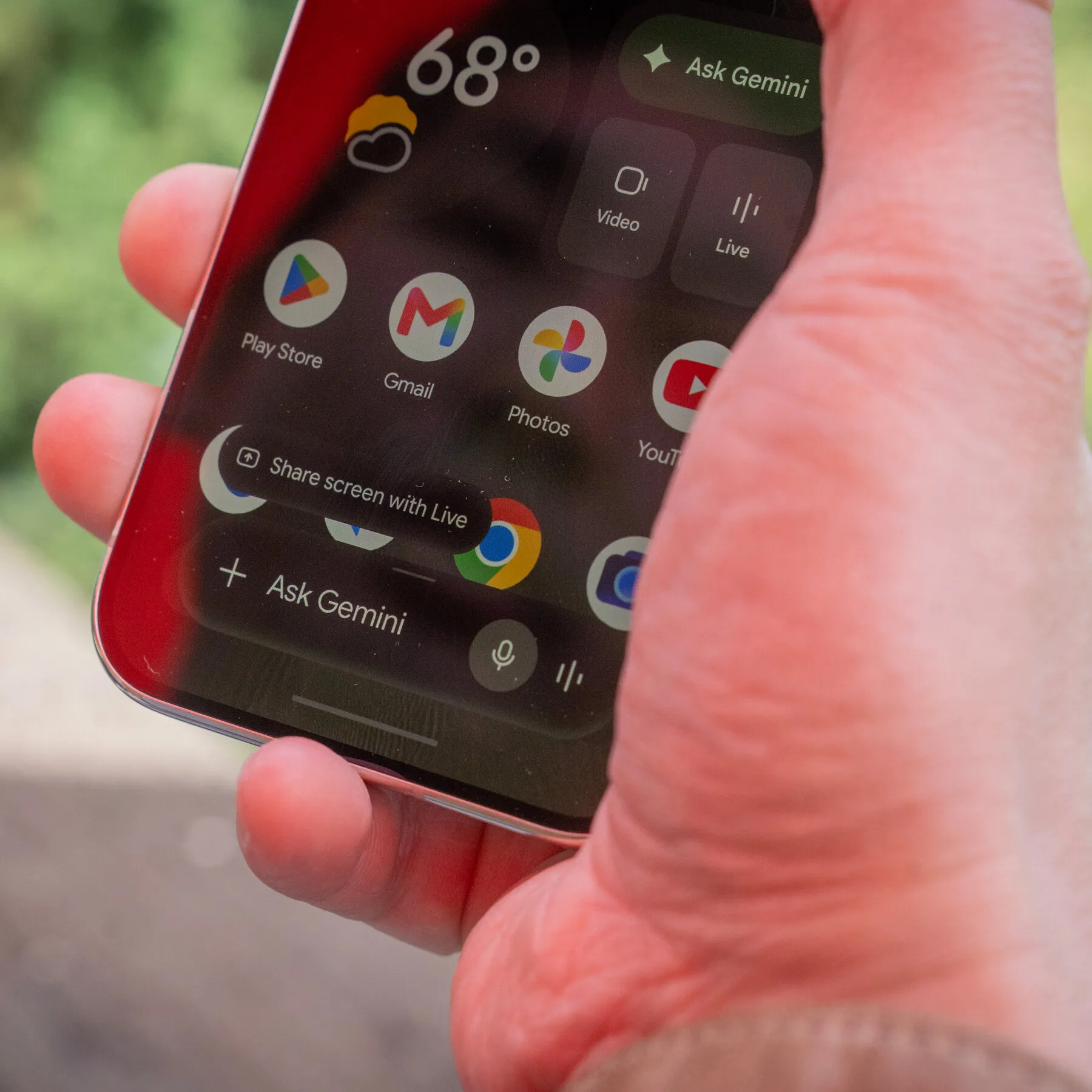
Google Launches Gemini 4 Argon, Its Most Advanced AI Model Yet
Google has unveiled Gemini 4 Argon, a cutting-edge AI model designed for complex reasoning, cybersecurity, and enterprise work, signaling a strategic push to reclaim leadership in artificial intelligence.
23 sources · today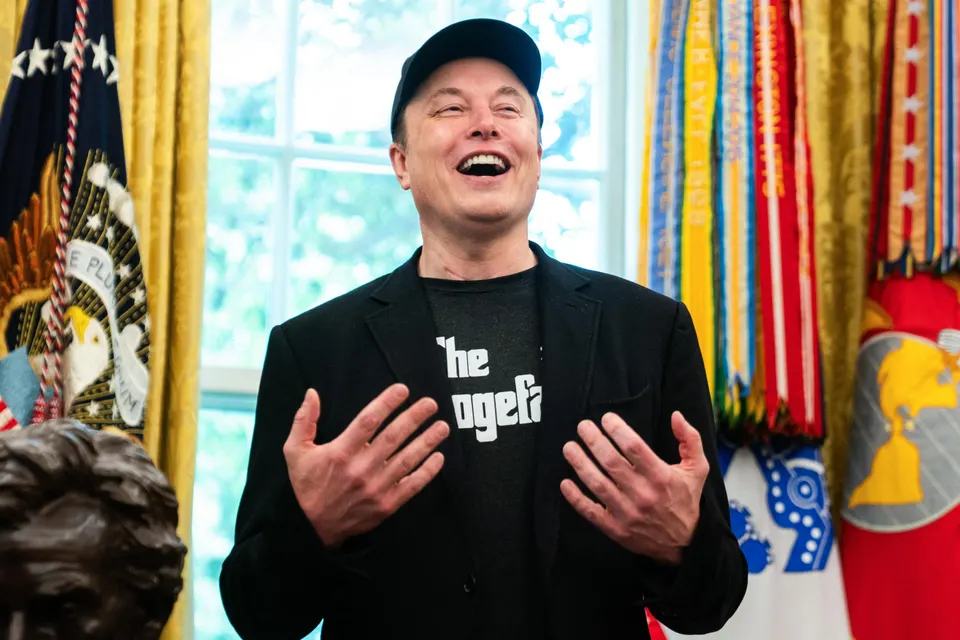
Musk, Luckey, and Gingrich Tapped to Advise Pentagon on Future Warfare
The Pentagon has given Elon Musk, Palmer Luckey, and Newt Gingrich 120 days to propose strategies and technologies for future U.S. military conflicts.
8 sources · today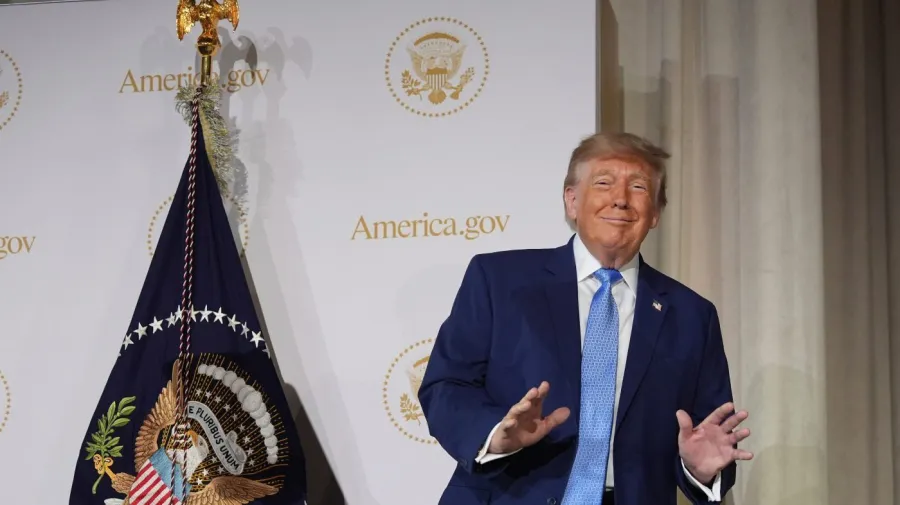
Trump Unveils America.gov, AI-Powered Portal for Federal Government Services
Former President Trump launched America.gov, a new AI-driven website designed to help Americans access federal government information and services more easily, reflecting growing use of AI in public administration.
26 sources · over 2 days