Trump and Venezuela's Delcy Rodríguez Hold First Meeting Since Maduro's Removal
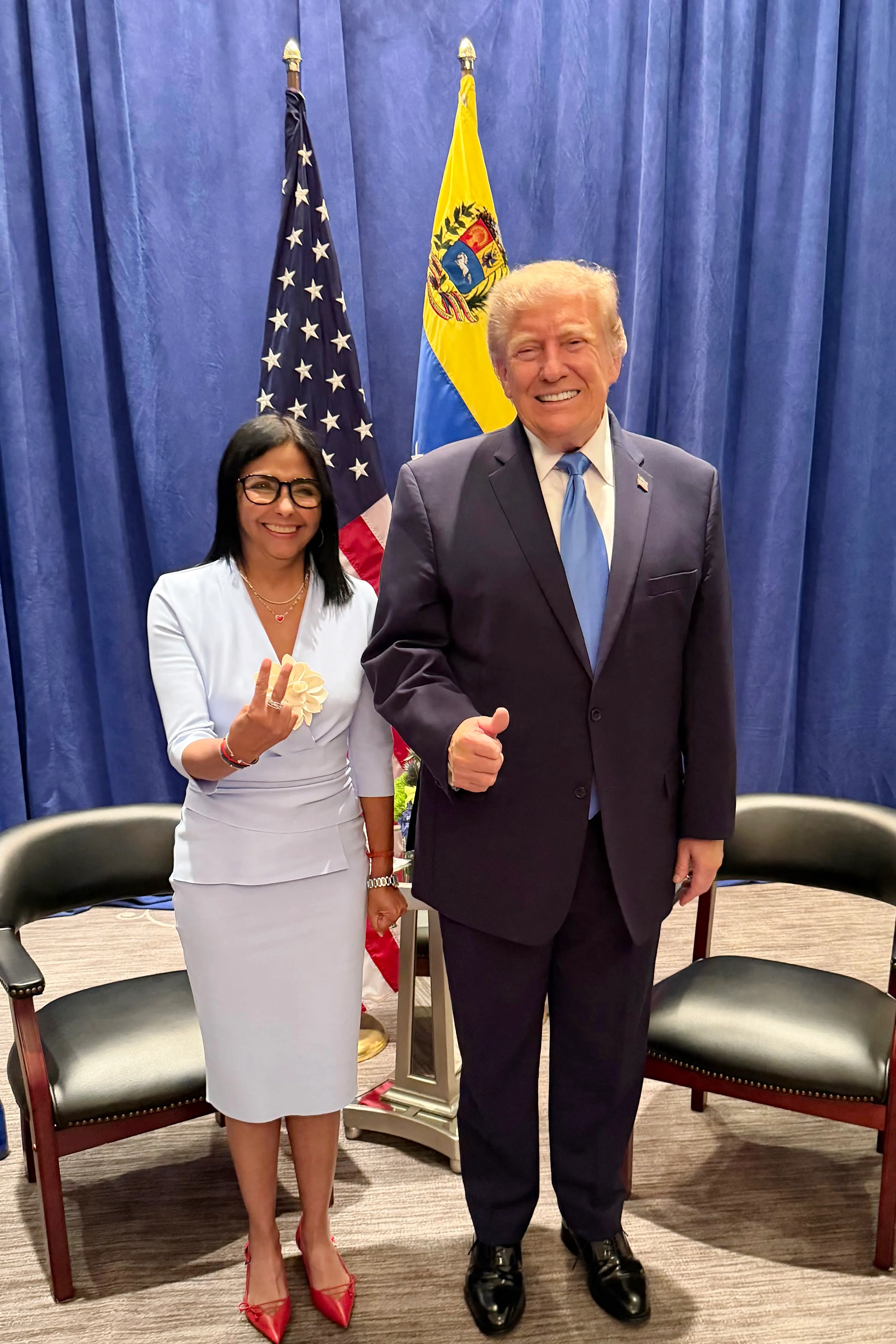
Donald Trump met interim Venezuelan President Delcy Rodríguez in New York, marking a major shift in US-Venezuela relations after Nicolás Maduro's ouster and ongoing calls for new elections.
By Oliver Hartmann · First published 24 Sept 2026
In brief
- Former US President Donald Trump met Venezuela's interim leader Delcy Rodríguez during the UN General Assembly in New York.
- This was the first direct meeting between the two leaders since Nicolás Maduro was captured and removed from power.
- Rodríguez discussed Venezuela's path to democracy and promised elections, but did not set a specific date.
- The meeting sparked protests by Venezuelans outside the UN, reflecting divisions over the country's political future.
- The US and Venezuela are now in the early stages of rebuilding diplomatic ties, with energy and debt issues on the agenda.
Timeline · 6 moments
Trump to meet interim President Rodríguez in New York
The Hindu ↗Delcy Rodríguez arrives in US for UN Assembly
El Colombiano | noticias de Medellín, Antioquia, Colombia y el mundo. ↗Trump and Rodríguez hold first meeting at UN event
New York Post ↗Protests erupt over Rodríguez's presence at the UN
Al Jazeera ↗Rodríguez thanks Trump, promises elections in UN speech
CNN Brasil ↗Rodríguez pledges elections but gives no date at UNGA
El Colombiano | noticias de Medellín, Antioquia, Colombia y el mundo. ↗How it started
After years of crisis and international isolation, Venezuela saw a dramatic shift in January 2026 when Nicolás Maduro was removed from power in a US-led operation. Delcy Rodríguez, previously a prominent government official, was named interim president as Venezuela entered a transitional phase.
The United States, under Donald Trump, quickly recognized Rodríguez's government. Both leaders signaled willingness to engage, hoping to stabilize Venezuela's economy and encourage a return to democratic rule. This set the stage for their first face-to-face meeting, which became a focal point during the run-up to the UN General Assembly.
How it unfolded
On September 18, 2026, news broke that Donald Trump would meet Delcy Rodríguez in New York during the UN General Assembly. Rodríguez arrived in the US on September 21, her first visit as interim president, and her arrival drew attention due to the use of a private jet operated by a Colombian company.
The meeting itself took place on September 22 at a Trump-hosted reception at the Lotte Palace Hotel. This marked the first time Trump and Rodríguez met since Maduro was captured. The encounter was described as historic, with both leaders posing for photos and discussing issues such as Venezuelan debt, energy, and the push for free elections.
While the leaders met, protests erupted outside the UN headquarters. Venezuelan exiles and activists expressed opposition to Rodríguez's participation, highlighting ongoing divisions within the Venezuelan diaspora.
Following the meeting, Rodríguez addressed the UN General Assembly. She thanked Trump for reopening diplomatic channels and pledged an "orderly" return to democracy, promising elections but not specifying a date. The international community watched closely, as Rodríguez emphasized a break from the "extremism" of the previous regime.
Where it stands
Venezuela is now led by Delcy Rodríguez, who is working to restore diplomatic relations with the United States and other countries. The Trump-Rodríguez meeting has been hailed as a turning point, but many questions remain about the timeline and guarantees for free elections.
Rodríguez's promises at the UN have brought cautious optimism but also skepticism, especially among Venezuelans abroad and opposition groups. The country's immediate future hinges on whether these pledges will be turned into concrete political reforms and transparent elections.
What to watch
The next key development will be the announcement of a date and framework for Venezuela's presidential elections. Observers are also watching how the US and Venezuela handle their renewed diplomatic and economic relations, especially regarding sanctions and the oil sector.
More in World
All →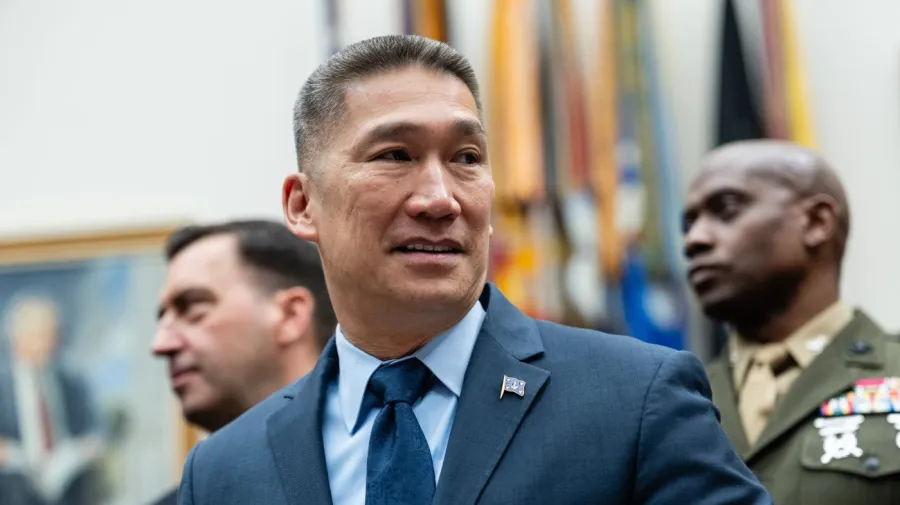
Eight Sailors Attempt Suicide Aboard USS Abraham Lincoln During Middle East Deployment
A series of suicide attempts among sailors on the USS Abraham Lincoln strike group has raised urgent concerns about mental health support during extended naval deployments in active military zones.
8 sources · today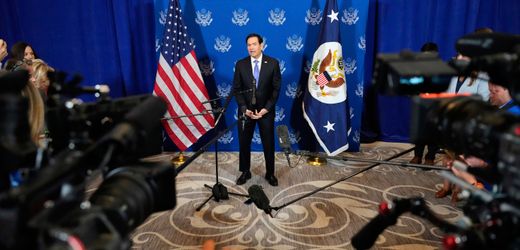
Putin Officially Invited to G20 Summit in Miami for December 2026 Talks
Russian President Vladimir Putin has received an invitation to attend the G20 summit in Miami, reflecting renewed efforts for direct international engagement despite ongoing tensions over Ukraine.
19 sources · over 2 days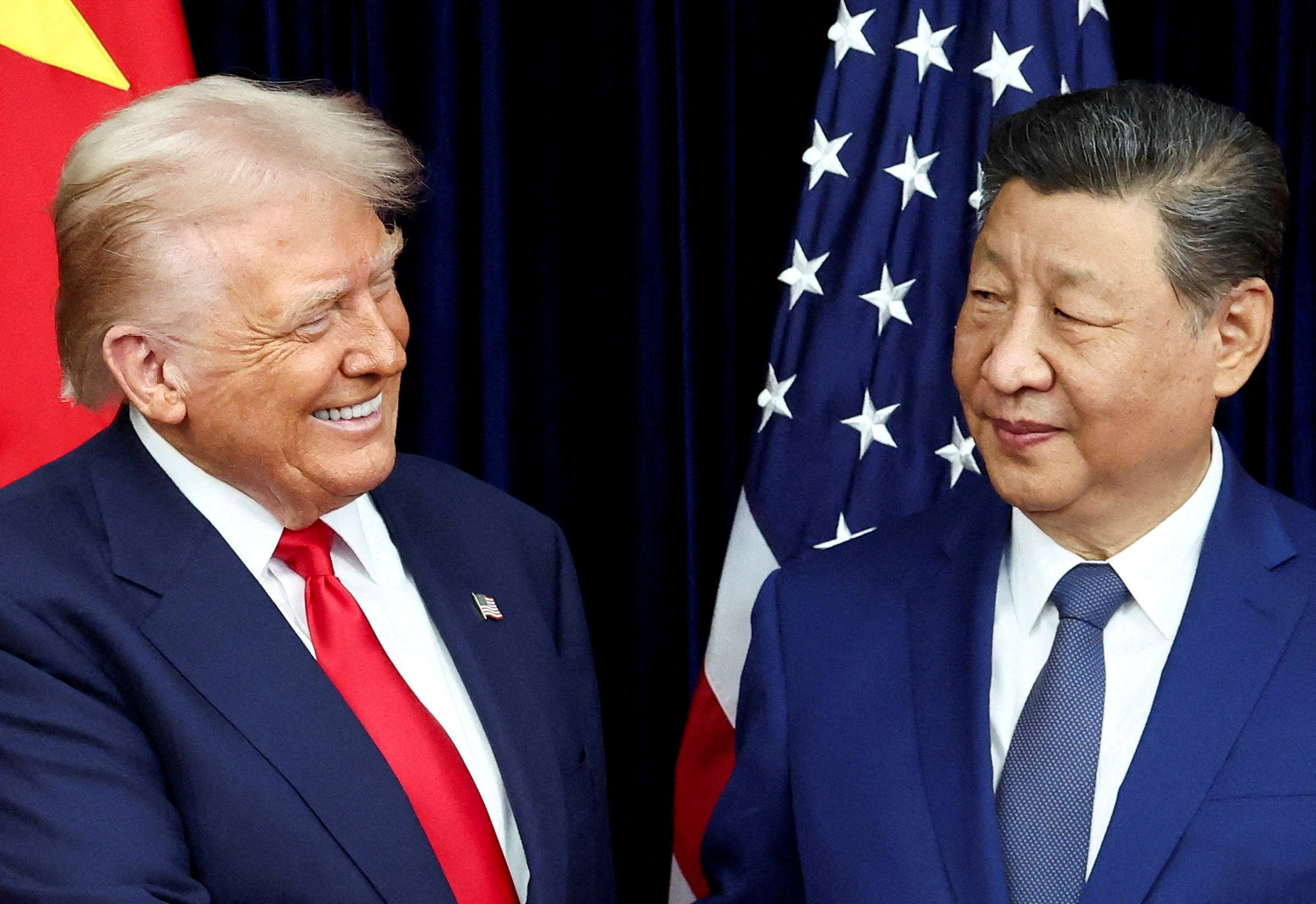
Xi Jinping Visits Washington for High-Stakes Summit With Trump After Ten Years
Chinese President Xi Jinping has arrived in Washington for a rare state visit, meeting President Donald Trump to address tensions over Taiwan, trade, and global stability amid shifting US alliances.
51 sources · over 4 days