Trump Faces Bipartisan Backlash Over Taxpayer-Funded TV Ads Ahead of Midterms
President Trump's administration is under scrutiny for airing campaign-style ads on major networks using taxpayer funds, raising questions about legality and government ethics just weeks before the midterm elections.
By Hushread Stories, written with AI from 20 outlets · First published 29 Sept 2026
In brief
- The Trump administration aired 30-second ads promoting the president and his agenda on Fox News and other networks.
- These commercials were funded by the US government, with some reports tracing the money to the Department of Homeland Security.
- Both Democrats and Republicans have criticized the ads, saying they blur the line between public service announcements and political propaganda.
- Some senators and legal experts allege the ads may violate federal rules that prohibit using taxpayer money for partisan purposes.
- The controversy is ongoing, with investigations and calls for accountability as more details about funding and production emerge.
Timeline · 8 moments
Trump administration airs taxpayer-funded pro-Trump ad on Fox News
The Independent ↗CBS and other networks begin airing similar government-paid Trump ads
The Independent ↗White House defends ad as a public service announcement amid criticism
Latest news, sport and opinion from the Guardian ↗NFL fans see new Trump ad warning of 'final battle' at taxpayer expense
The Independent ↗Legal and ethical questions raised over taxpayer-funded Trump ads
NPR Politics ↗Republican Senator John Kennedy publicly criticizes the ad campaign
CBS Top Stories ↗Reports reveal Homeland Security funded the Trump TV ads
CNBC ↗Trump personally selected images and video for the government-funded ads
The Independent ↗How it started
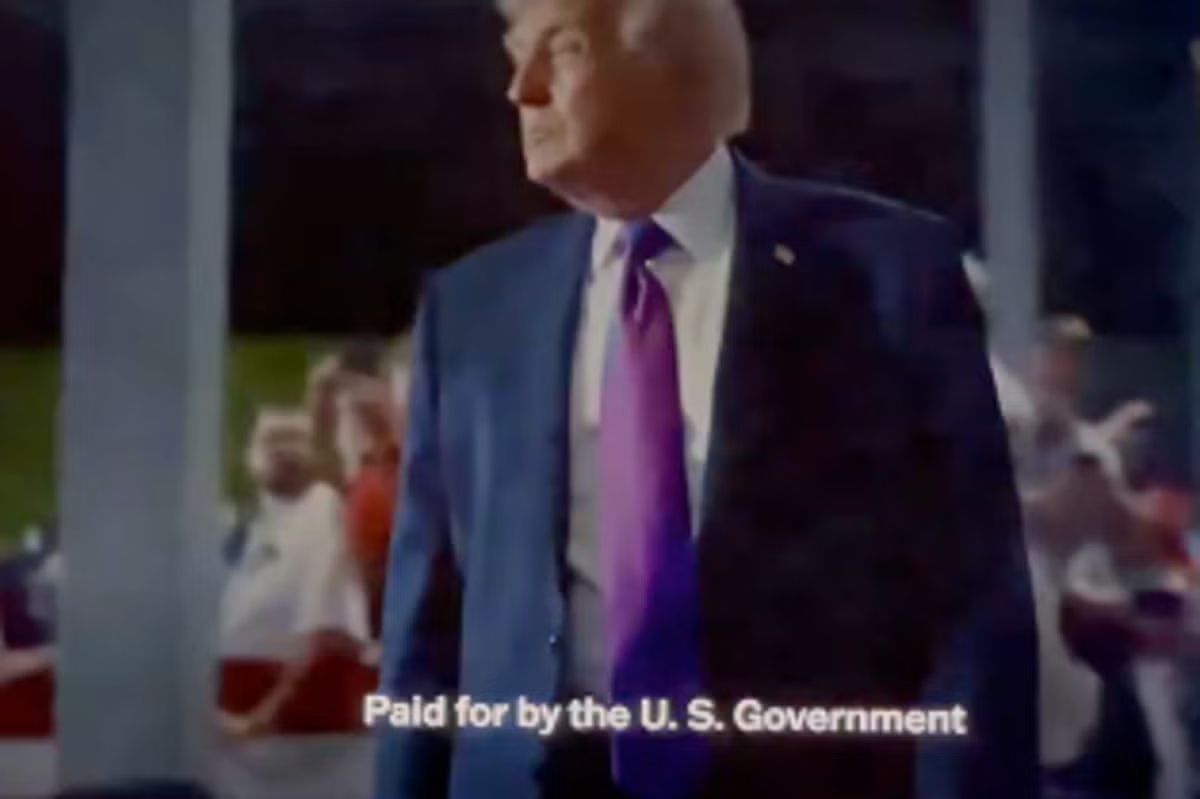
The controversy began when a 30-second commercial promoting President Trump aired on Fox News, labeled as "Paid for by the U.S. Government." The ad featured strong anti-communist and anti-socialist messaging and included campaign-style imagery and slogans.
Viewers and lawmakers quickly noticed the government disclosure, sparking immediate concern about the use of taxpayer dollars for content that appeared to promote Trump personally, especially so close to the midterm elections. Questions arose about whether this crossed legal and ethical boundaries for government-funded communications.
How it unfolded
On September 24, 2026, the first reports emerged about the ad's airing, with critics from both parties questioning its appropriateness and legality. The administration defended the spot as a public service announcement, but the timing and content drew skepticism.
By September 25, more networks, including CBS, began airing similar ads, and the White House faced increased scrutiny. Republican Senator John Kennedy and other lawmakers publicly criticized the administration, emphasizing the risk of using public funds for political gain.
In the following days, details about the funding source surfaced. Reports indicated that the Department of Homeland Security, specifically Customs and Border Protection, allocated up to $20 million for the ad campaign. Some outlets also revealed that President Trump personally selected the images and messaging for these commercials.
As the ads rolled out nationally, including during major sports broadcasts, bipartisan criticism intensified. Legal experts and former government ethics officials stated that the ads' political tone could violate longstanding federal restrictions on government-funded propaganda.
By September 29, calls for investigations and accountability were mounting, with some experts even suggesting the ads could be grounds for impeachment if proven unlawful.
Where it stands
At present, the Trump administration continues to defend the ads as legitimate public service announcements. However, bipartisan criticism remains strong, and several senators have called for a review of how government funds are being used for political messaging.
Investigations are underway to determine whether the use of funds from Homeland Security and the direct involvement of President Trump in the ad's production violate federal rules. The issue remains unresolved, and the ads remain on the air as the midterms approach.
What to watch
Key questions remain about the legality of the ad campaign and whether Congress or ethics watchdogs will take formal action. The outcome could have implications for future government communications and standards for public spending on political messaging.
More in Politics
All →
Fatima Ezzahra El Mansouri Becomes Morocco's First Woman Prime Minister
For the first time in Morocco's history, a woman has been appointed prime minister, signaling a major shift in gender representation in the country's leadership.
12 sources · today
Burnham Unveils Pension and Energy Reforms at Labour Conference
Prime Minister Andy Burnham announced ending the pension triple lock, a new public electricity grid body, and steps toward closer EU ties.
20 sources · over 8 days
Trump Cancels Nearly $1 Billion in Federal Funds Using Rare Budget Move
President Trump revoked almost $1 billion in congressionally approved funding targeting immigration and race-focused programs, triggering bipartisan criticism and raising questions about executive authority over spending.
15 sources · over 4 days