Trump Promises $5,000 Payments to US Adults if Republicans Win Congress
President Trump has proposed $5,000 payments to every American adult, contingent on a Republican victory in the 2026 midterm elections, sparking debate about feasibility and intent.
By Mei-Ling Chao · First published 10 Sept 2026
In brief
- President Trump announced a $5,000 payment plan for every American adult if Republicans win the 2026 midterms.
- He called the payments a 'Trump Dividend' and said the money must be spent within the United States.
- No details have been provided on how the payments would be funded or distributed.
- The proposal comes as Trump faces declining approval ratings and economic concerns among voters.
- Critics and commentators are questioning the legality, practicality, and political motives behind the offer.
Timeline · 4 moments
Trump announces $5,000 'Trump Dividend' tied to GOP midterm win
The Independent ↗Trump reiterates payment plan at Republican midterm convention
NBC News ↗President ties payments to Republicans controlling Congress after elections
CBS Top Stories ↗Media and analysts question feasibility and legality of proposed payments
MarketWatch ↗How it started
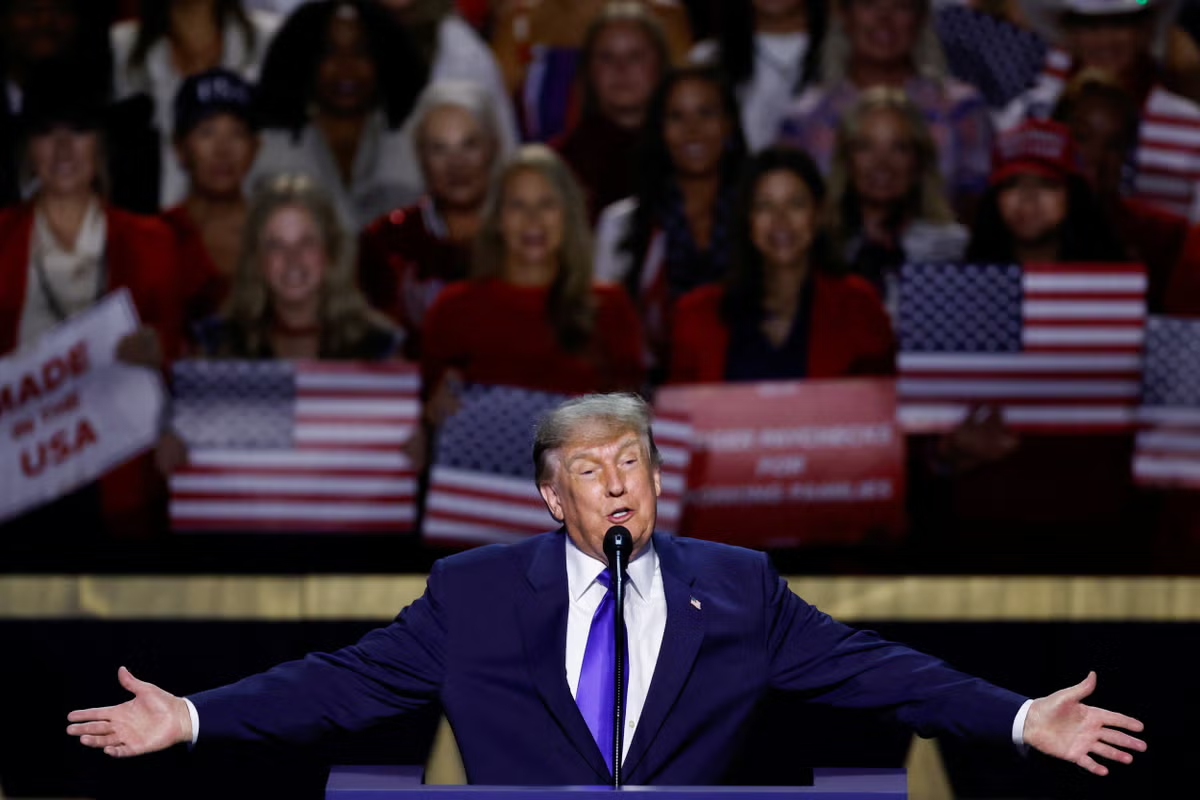
President Donald Trump introduced a bold new campaign promise during the lead-up to the 2026 midterm elections. In a public speech, he pledged a $5,000 payment to every American adult, but only if Republicans win control of Congress. He called this the 'Trump Dividend' and tied it directly to the outcome of the elections.
This announcement immediately drew attention, with supporters highlighting the potential economic boost and critics raising questions about its feasibility and legality. Trump also used the moment to tout his administration's achievements, such as claiming the lowest murder rate since 1900.
How it unfolded
On September 10, 2026, during the Republican midterm convention, Trump made the surprise announcement, framing the $5,000 payment as a direct incentive for voters to support his party. He emphasized that the money must be spent within the United States, but did not explain how the government would fund or deliver the payments.
The announcement was quickly covered by major outlets, with some describing it as a potential 'Trump Dividend' and others questioning whether it amounted to an attempt to buy votes. Analysts pointed out that Trump had made similar promises in the past, such as tariffs and cryptocurrency dividends, which did not materialize.
The lack of details about the proposal's mechanics led to further skepticism. Reporters noted that Trump did not clarify whether non-citizens or younger people would be eligible, nor did he address how the payments would be processed if Republicans won only one chamber of Congress.
At the same time, Trump highlighted what he described as significant achievements during his presidency, including a claim about the lowest national murder rate in over a century. This was seen as an effort to shift the narrative away from his declining approval ratings and concerns about inflation.
Where it stands
The $5,000 payment proposal remains just a campaign promise, with no official policy details or legislative plans released. The administration has not explained how the payments would be funded or what legal hurdles might exist.
Public debate continues, with some viewing the offer as a bold economic move and others calling it an unrealistic or even unethical campaign tactic. No further clarification from the White House has been provided so far.
What to watch
Voters and analysts are waiting to see if Trump or Republican leaders will release more concrete details about the payment plan. The outcome of the 2026 midterm elections will determine whether this proposal has any chance of advancing beyond campaign rhetoric.
More in Politics
All →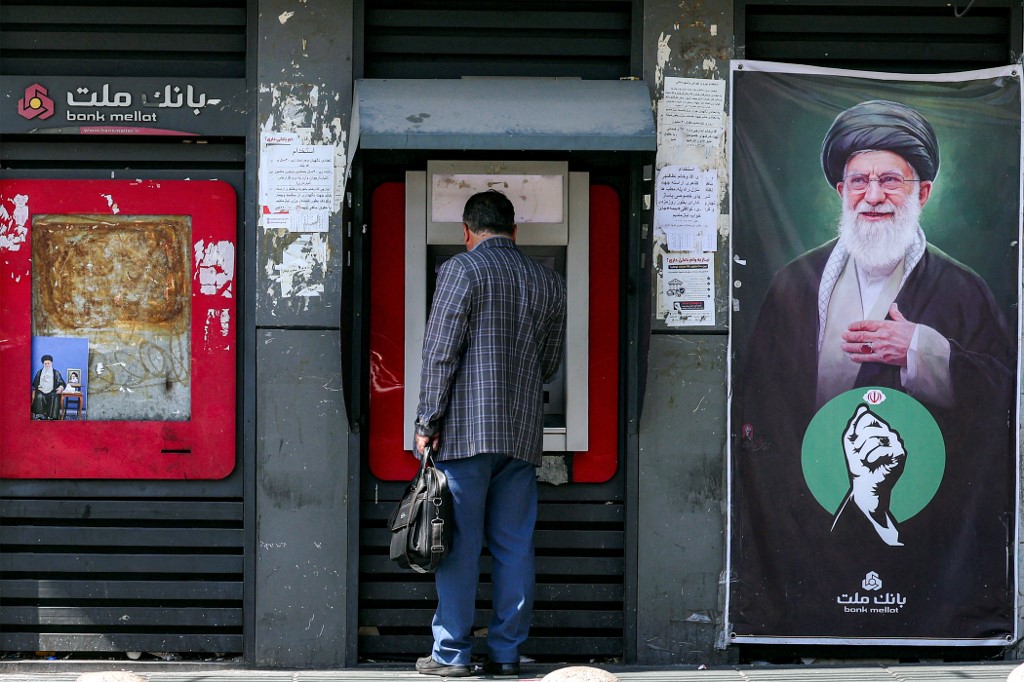
White House Advisers Warn Iran War May Continue for Years
Despite Trump's claims of a quick end, top advisers caution the Iran conflict could persist well beyond the midterms.
23 sources · today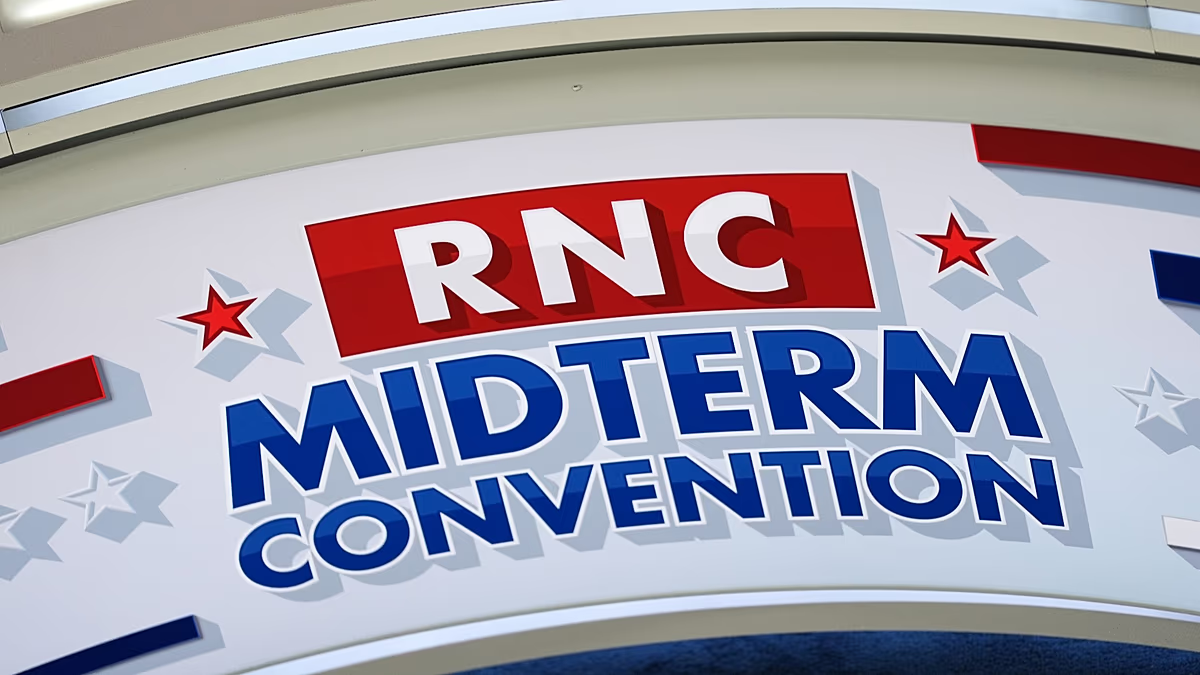
Trump Promises $5,000 'Dividend' to Every American at GOP Convention
At the Dallas midterm convention, Donald Trump pledged a $5,000 payment to each adult if Republicans win Congress.
43 sources · over 5 days
Trump Departs After Slide Incident, Air Force One to Get Upgrades
President Trump left DC after the emergency slide was removed and said the Qatari-gifted plane will get security upgrades.
16 sources · today