Trump Temporarily Suspends Beef Tariffs, Sparking Uproar Among U.S. Ranchers
President Trump's 90-day suspension of tariffs on 300,000 tons of imported beef aims to lower prices but has triggered backlash from ranchers and lawmakers who say it threatens domestic producers and may not cut costs.
By Isabel Navarro · First published 21 Aug 2026
In brief
- President Trump suspended tariffs on 300,000 tons of imported beef for 90 days to lower prices amid rising grocery costs.
- The first shipments of tariff-free beef began entering the U.S. market on September 1, 2026, amid ongoing controversy.
- U.S. ranchers and lawmakers are concerned that the suspension will harm domestic beef producers and fail to lower prices significantly.
- The administration is also introducing regulatory changes to allow ranchers to process their own beef in response to backlash.
- Key questions remain about the impact of the tariff suspension on consumer prices and the origins of the imported beef.
Timeline · 8 moments
Trump announces temporary pause of beef import tariffs
ABCNews.com ↗Trump's Beef Import Plan Sparks Backlash From GOP and US Ranchers
Time.news ↗Trump faces backlash from Republicans over plan to lift tariffs
Latest news, sport and opinion from the Guardian ↗Trump's agriculture secretary refuses to say where foreign beef is from
The Independent ↗Trump signs proclamation to pause some beef tariffs despite backlash
ABCNews.com ↗Trump Announces Plan to Let Ranchers Process Their Own Food
Bloomberg ↗Trump Seeks to Appease Ranchers With Heifer Retention Insurance
Bloomberg ↗Trump's 'Discounted' Beef Imports Start Today
Forbes ↗How it started
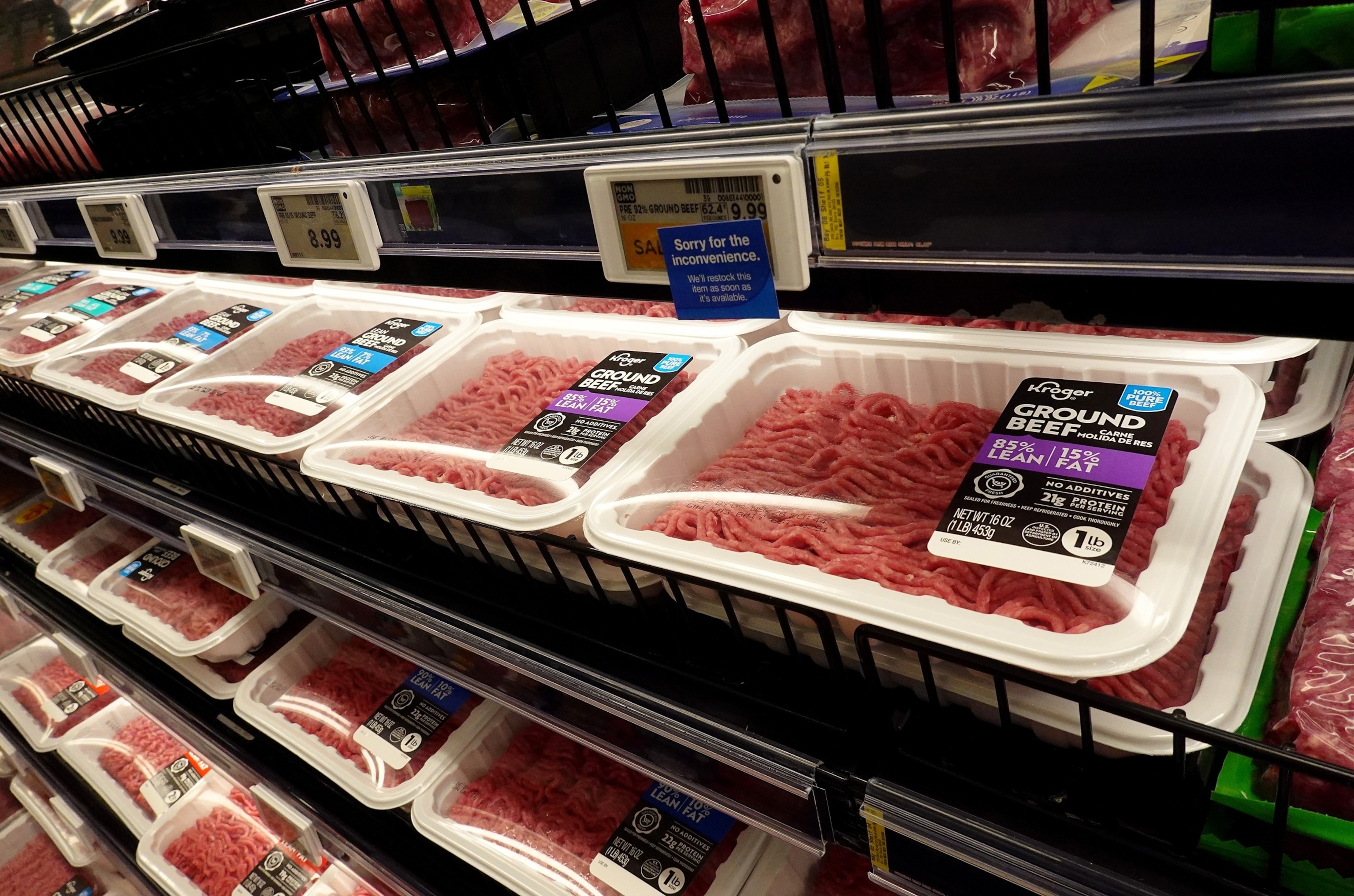
In August 2026, ground beef prices in the United States were climbing fast, driven in part by a smaller cattle herd after drought and wildfires, according to DIE ZEIT. President Trump, facing pressure from consumers over rising grocery bills, announced a plan to suspend tariffs on 300,000 metric tons of imported beef for 90 days. His stated goal was to make beef more affordable for American families, especially ahead of the midterm elections.
The White House claimed this would help ease inflation and address cost-of-living concerns. However, the move immediately alarmed U.S. cattle producers and ranchers. Many argued that the plan would harm their already struggling industry and do little to actually lower prices, since over 80 percent of U.S. beef is produced domestically, as the Washington Post and other outlets pointed out.
How it unfolded
On August 21, Trump formally announced the tariff suspension, promising cheaper beef for Americans. Global News and ABCNews.com reported that the administration would allow up to 300,000 metric tons of ground beef imports over three months. This was framed as a targeted intervention to address soaring food costs.
Reaction was swift. Industry groups like the National Cattlemen's Beef Association and GOP lawmakers voiced strong opposition, saying the plan would undermine domestic farmers and slow efforts to rebuild the U.S. cattle herd. Financial Times noted that cattle futures dropped after the news broke, reflecting market worries.
Over the next several days, criticism intensified. The Hill and Politico described growing tension between Trump and Republican senators, while ranchers warned the plan could have long-term negative effects on U.S. agriculture. The administration faced additional scrutiny for refusing to disclose where the foreign beef would come from, as reported by The Independent.
By late August, Trump responded to the backlash with a new promise: he would make it easier for U.S. ranchers to process their own beef, aiming to reduce reliance on large meatpackers. Outlets like Bloomberg and The Hill covered these regulatory changes, which were presented as a way to support local producers in the wake of increased imports.
Where it stands
As of September 1, the first shipments of discounted, tariff-free beef are entering the U.S. market, according to Forbes. The policy remains deeply controversial. While the administration insists the plan will help consumers, many experts and ranchers doubt it will meaningfully lower prices at the grocery store, since most ground beef consumed in the U.S. is homegrown.
Ranchers continue to worry about long-term impacts on their businesses, and Republican lawmakers are still publicly criticizing the move. At the same time, the White House is pushing regulatory changes to allow farmers and ranchers to process their own meat, hoping to calm the backlash from the agricultural sector.
What to watch
Key questions remain about how much, if at all, the tariff suspension will affect beef prices for consumers. There is also ongoing debate about food safety and the origins of the imported beef, as the administration has not disclosed supplier countries. Whether Trump's regulatory changes for ranchers will offset the anger in rural America is also uncertain.
More in Business
All →
Dell Raises 2027 Revenue Forecast After Soaring AI Server Sales and Record Quarter
Dell Technologies reported a 58 percent revenue jump in its latest quarter, driven by surging demand for AI servers, prompting the company to raise its 2027 revenue outlook and impress investors.
8 sources · over 2 days
Why Subhash Chandra's ₹6.5 Crore Repayment Plan for ₹22,006 Crore Debt Is on Hold
A controversial insolvency settlement that would see Subhash Chandra pay a fraction of massive personal debts is now paused, as legal disputes and creditor challenges raise new questions about India's insolvency process.
8 sources · over 7 days
Uber Slashes 3,300 Jobs in Largest Restructuring Since Pandemic
Uber is cutting about 10 percent of its global workforce, targeting management layers and small teams, as it shifts focus to ride-sharing, delivery, and autonomous vehicle development amid intensifying competition.
30 sources · today